5 Common Yet Costly Supply Chain Issues When Sourcing Bags from China (And How a Reliable Partner Solves Them)
Sourcing bags and luggage from China offers undeniable advantages in cost and variety. However, many international buyers discover that hidden supply chain risks can quickly turn a profitable order into a logistical and financial headache. If you procure or are considering sourcing from China, you’ve likely encountered these familiar challenges.
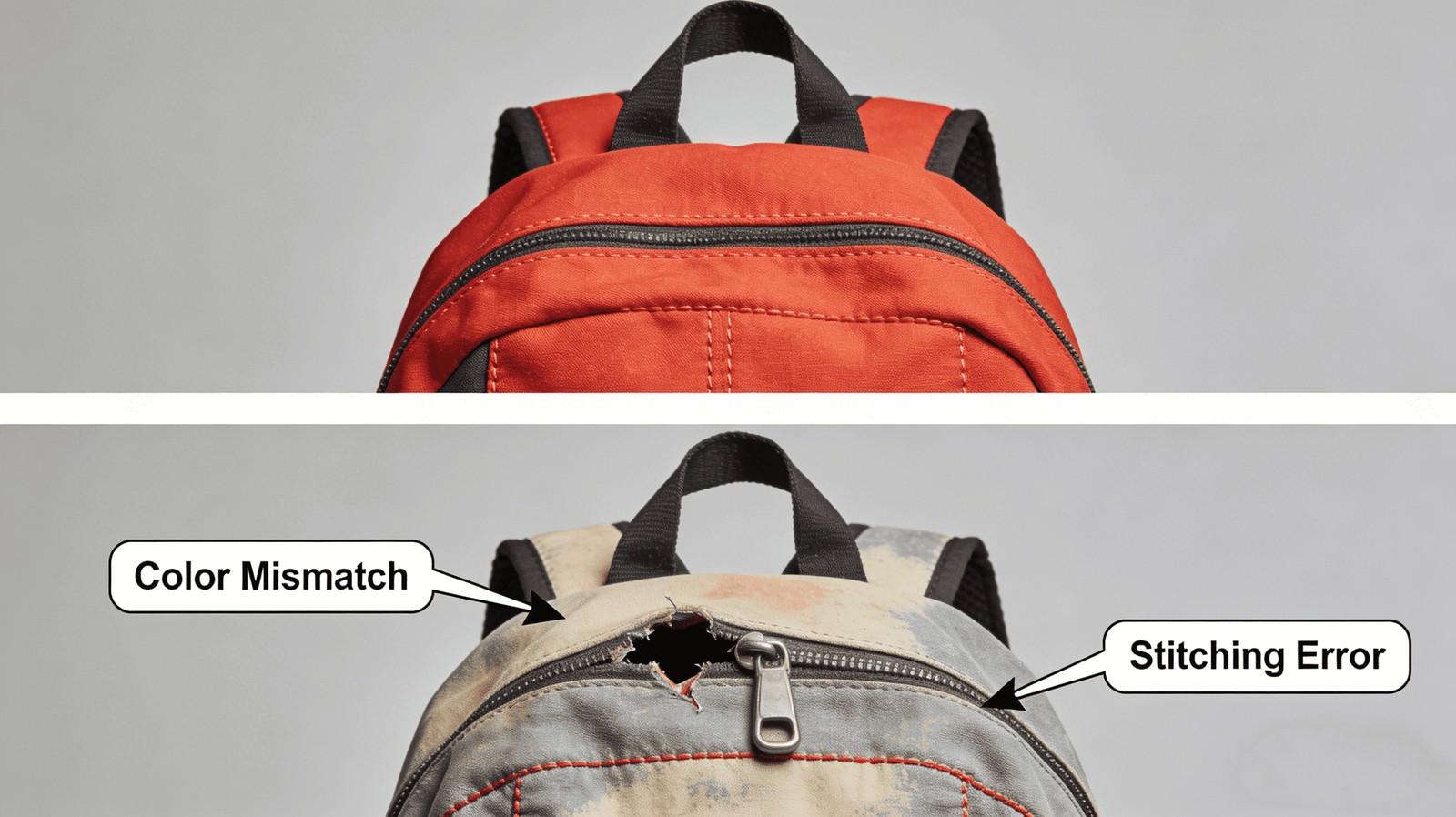
Issue 1: "Why doesn’t this shipment match the approved sample?"
You spent weeks perfecting a sample—every stitch, zipper, and shade of fabric was approved. Yet, when the bulk order arrives, you find inconsistent colors, uneven stitching, or inferior hardware.
The Root Cause: To cut costs or meet tight deadlines, some factories may substitute lower-grade materials or relax quality control during mass production, leading to unacceptable variations between the sample and the final product.
Issue 2: "Where is my order? My shelves are empty after the Chinese New Year."
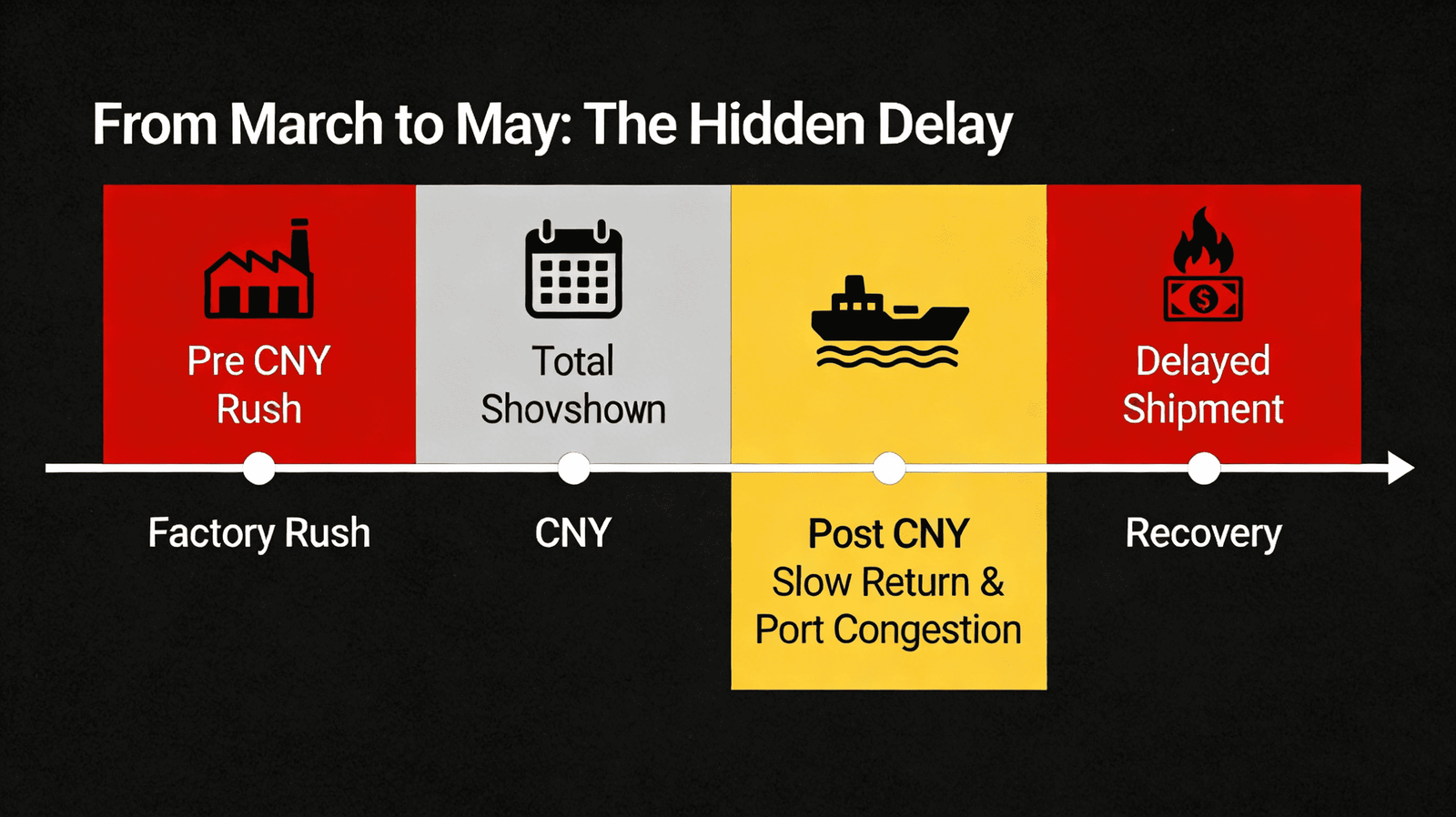
The months following China’s Lunar New Year (which occurs in January or February) are notoriously stressful. Factory shutdowns of 2-4 weeks cause cascading delays due to slow worker return, backlogged raw material supplies, and congested shipping ports. A March shipment can easily slip to May, forcing you to face stockouts, canceled orders, and expensive air freight premiums.
The Real Cost: Beyond delays, you risk lost sales, eroded customer trust, and shattered profit margins due to emergency expedited shipping.
Issue 3: "Customs is seizing our shipment for non-compliance."
A European buyer once shared that an entire container of backpacks was held at German customs because phthalate levels exceeded EU REACH regulations. The supplier’s provided “compliance certificates” were invalid.
The Risk: Regulations (like EU REACH, US CPSIA, or Prop 65) constantly evolve. Many factories fail to keep updated or use unverified materials. The buyer bears all legal liability, financial loss, and brand damage.
Issue 4: "The factory has gone silent. What about my deposit?"
After paying a 30% deposit, your emails and calls go unanswered. You later learn the factory has shut down. This worst-case scenario results in lost capital and a completely disrupted product launch timeline, forcing you to find a new supplier and miss your selling season.
The Trust Deficit: It highlights critical risks in a supplier’s financial and operational stability. Even without closure, factories might cut corners or covertly subcontract orders to less reputable workshops mid-production.
Issue 5: "What’s the real production status? Why is communication so vague?"
Common yet frustrating replies like “almost done” or “shipping next week” leave you in the dark. Without transparent updates, you only discover delays at the last minute, unable to plan or adjust, effectively losing all control over your supply chain.
How a Professional Bag Manufacturer Builds Trust and Mitigates Risk
A true partner doesn’t just promise “no problems”—they demonstrate a systematic approach to preventing and managing risks. A reliable bag manufacturer should clearly articulate their robust systems:
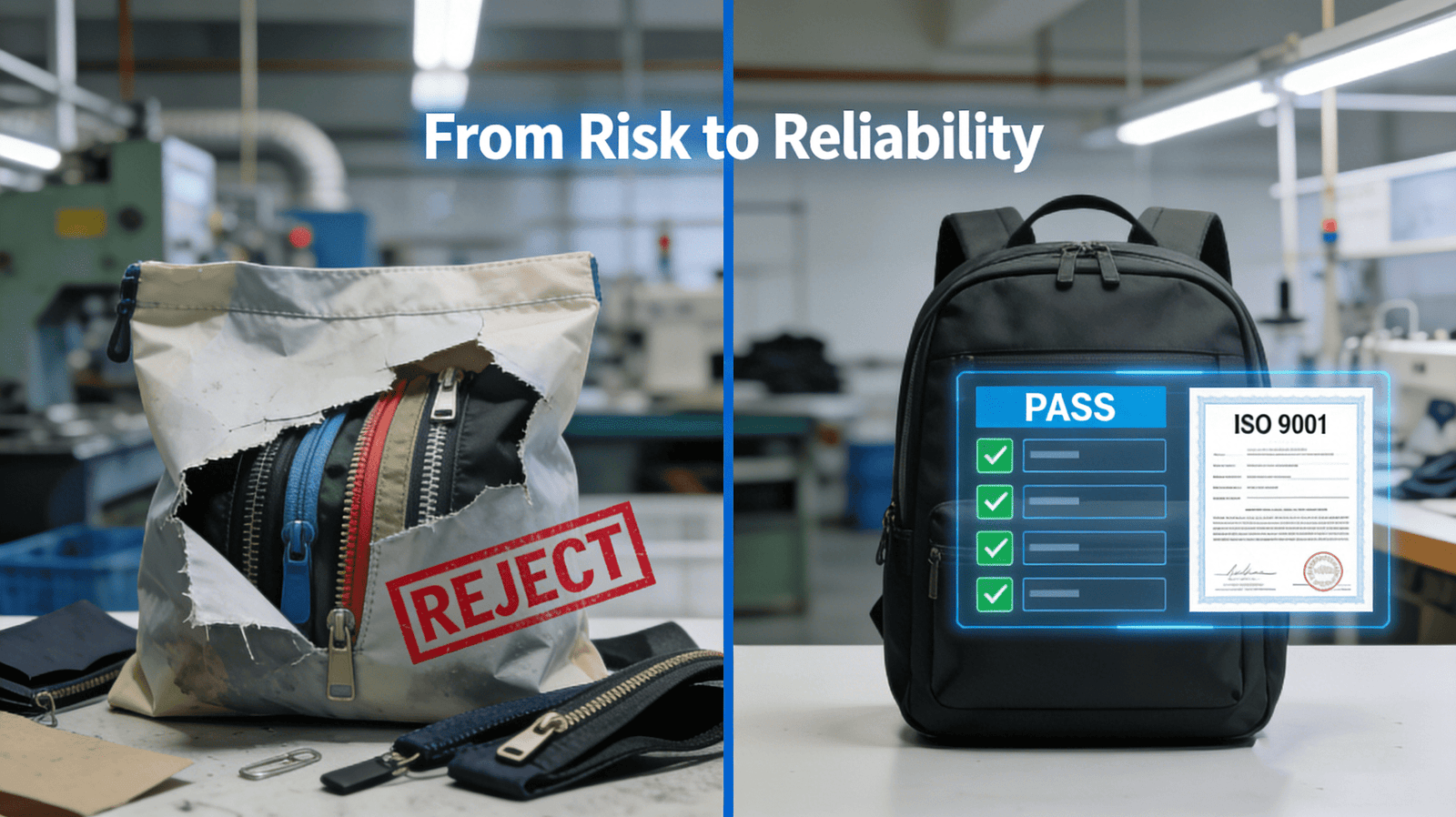
- A Comprehensive Quality Management System: This goes beyond final inspection. It means full traceability and documented checks from raw material intake (testing fabrics and hardware), through in-process control (recorded checks at each production stage), to final pre-shipment inspection (100% checking or strict AQL sampling). A confident factory will share its QC data and reports.
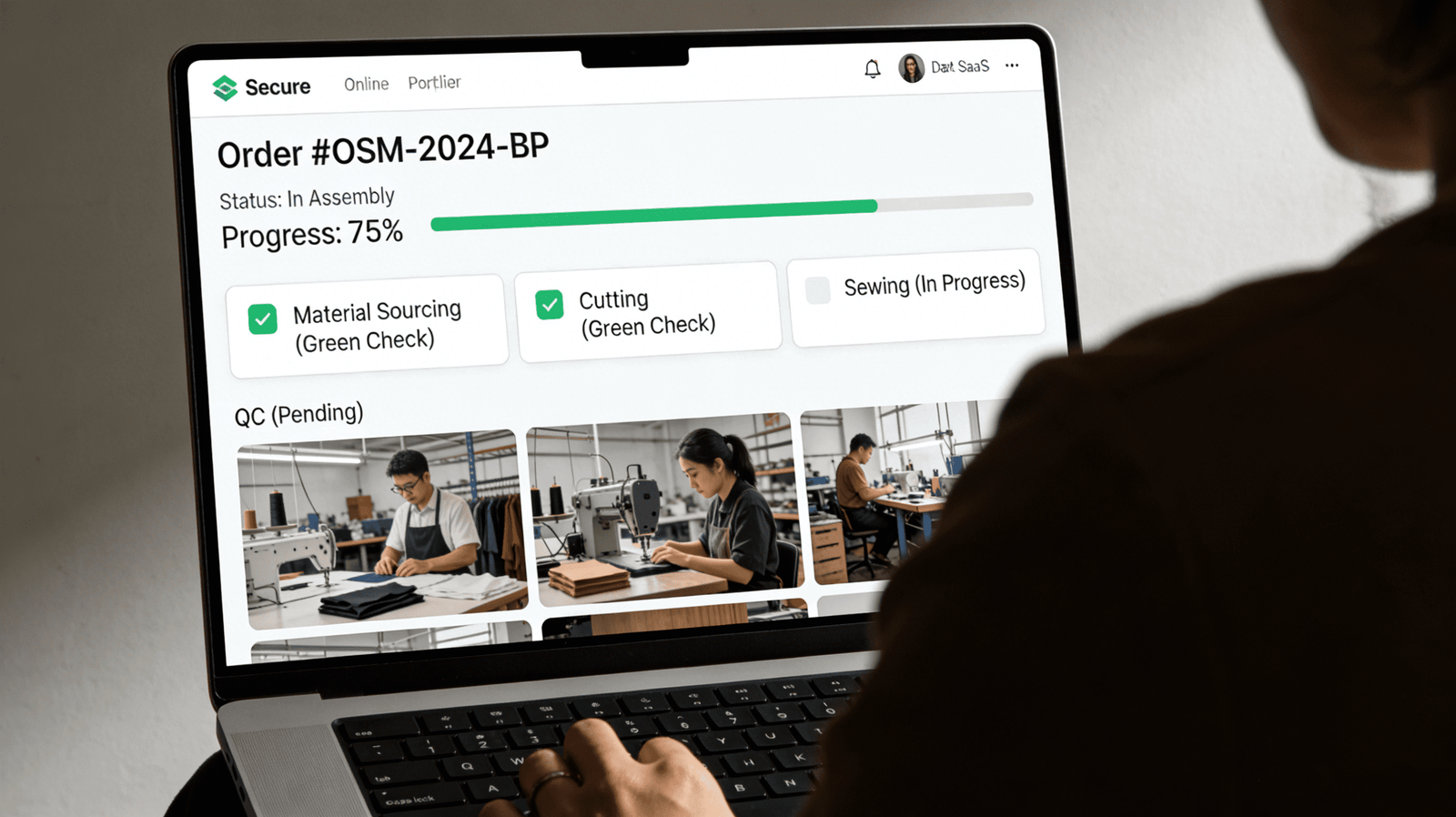
- Visual Production Progress Tracking: You shouldn’t have to chase updates via email. A modern partner provides secure online portal access for real-time order tracking—with photo or video evidence at key stages (cutting, sewing, assembly, packing)—turning the “black box” of production into a transparent process.
- Valid International Certifications: Certificates are more than wall decorations. They prove an independent, third-party audit of the factory’s management processes (ISO 9001), social responsibility (BSCI/SMETA), and material safety (OEKO-TEX STANDARD 100). They are a vital filter for supplier reliability.
- Proactive Contingency Plans: A professional manufacturer has Backup Plans (Plan B) for common disruptions: diversified logistics partners, safety stock for key materials, or flexible internal capacity allocation to buffer against delays and keep your timeline on track.
- Structured & Transparent Communication: Trust is built through proactive updates—like scheduled weekly production reports, a guaranteed 24-hour response protocol for urgent issues, and consultation at key decision points. This ensures alignment and enables collaborative problem-solving.
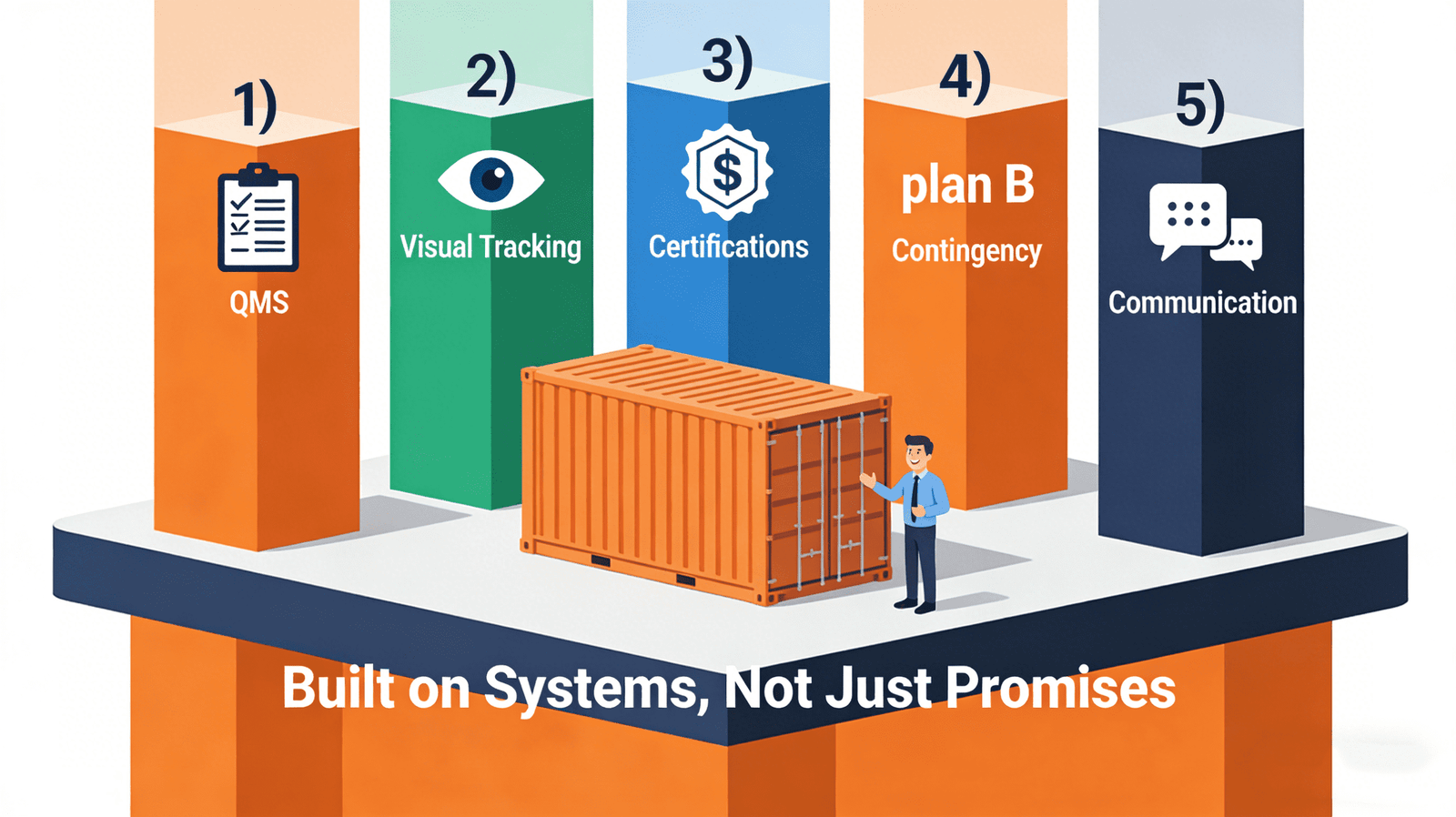
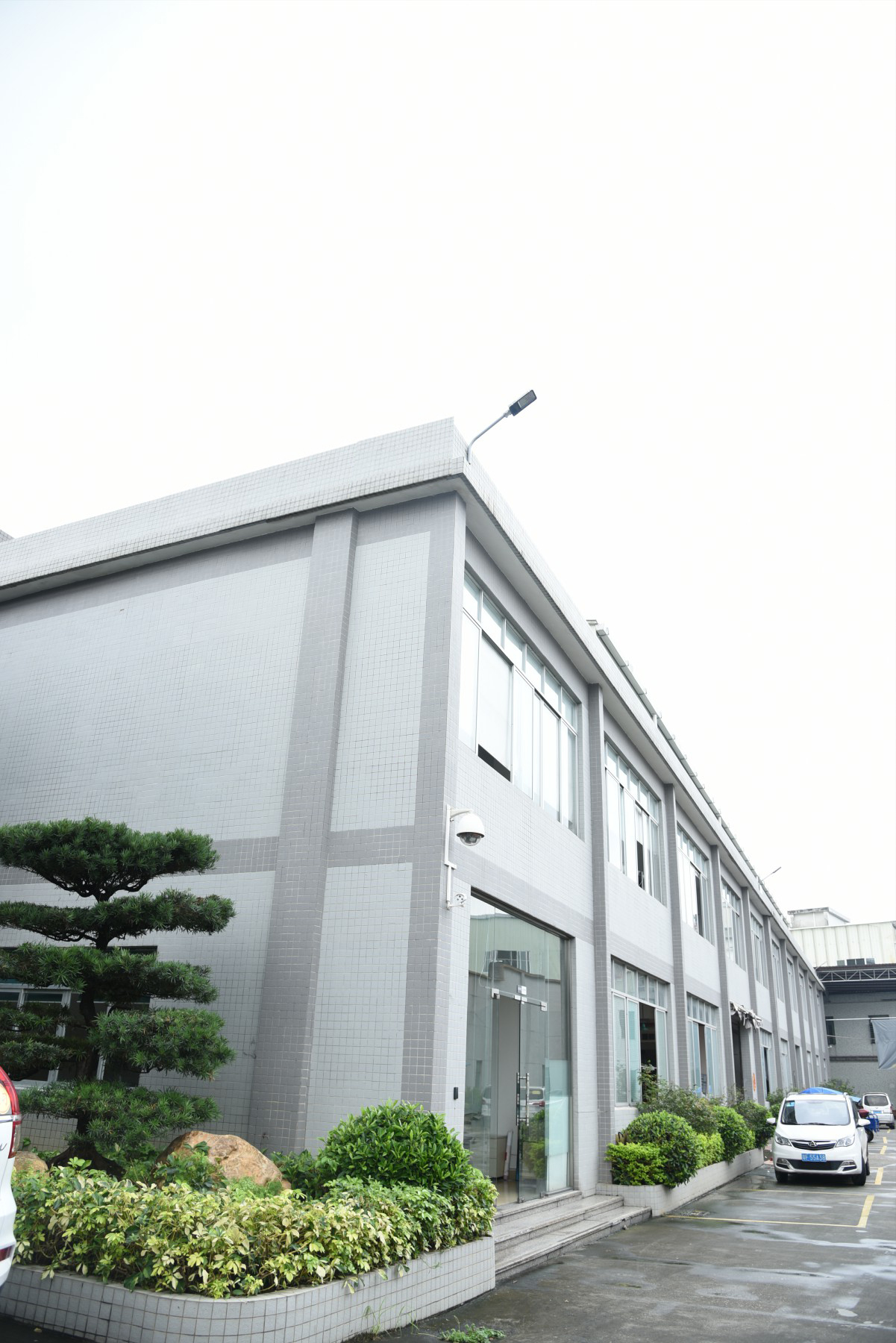
At OSAMIC, we understand that sourcing is about managing risk, not just comparing price. We’ve built our operations around these five pillars to become the stable, reliable foundation of your supply chain.
We invite you to look beyond our samples and quotes. Evaluate the robust management systems that prevent these common issues. A successful long-term partnership starts with a shared and thorough understanding of risk prevention.