Meta Description: Your essential industry guide for designers and brand founders. A deep dive into the 3 core bag material trends for 2025/26: recycled, bio-based materials, and clean processes. OSAMIC decodes the compliance and application of GRS, rPET, eco-PU, and more for navigating the US & EU markets.
Introduction: Sustainability is the New Design Baseline, Not an Option
The year 2025 marks a quiet revolution in the global bag industry, driven by a powerful trio: regulation, consumer consciousness, and planetary necessity. For designers, DTC founders, and procurement managers, material selection has transcended aesthetics and functionality—it now defines your brand's value proposition, market access, and long-term viability.
Stringent EU circular economy laws, plastic bans across US states, and a new generation of consumers voting with their wallets for sustainable brands send a clear message: Sustainability is the core language of design, not a decorative suffix.
In this guide, OSAMIC synthesizes cutting-edge industry insights with our R&D practice to outline the material trends defining the next two years, providing actionable compliance and design strategies.
Part 1: Decoding the 3 Core Material Trends of 2025/26
Trend 1: The "High-Performance" Era of Recycled Materials
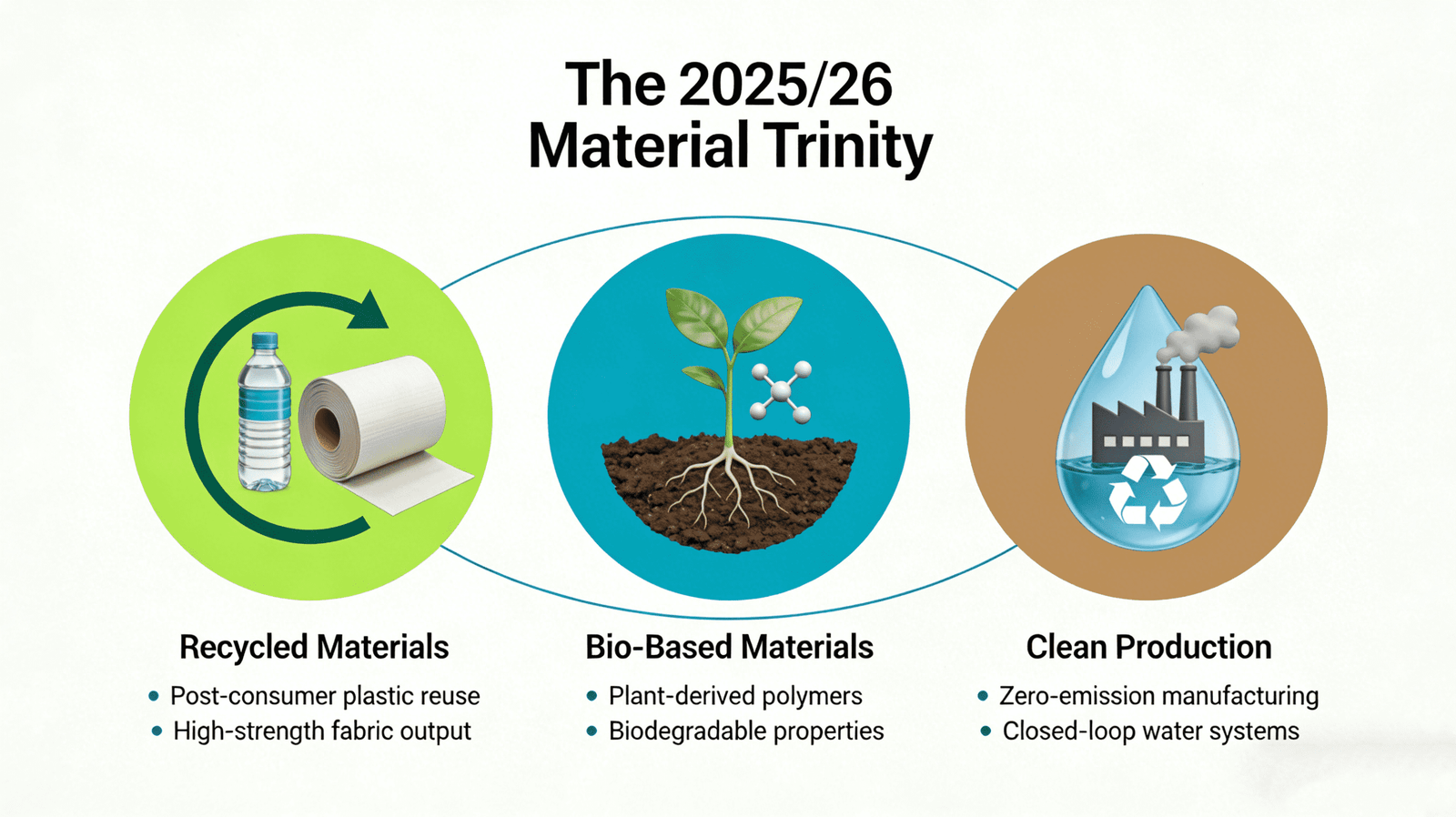
Recycled materials are shedding their "second-best" reputation, achieving performance parity through technological innovation. The focus is on closed-loop traceability and performance matching virgin materials.
GRS-Certified Materials: The Global Recycled Standard has become the "green passport" for mainstream EU/US markets. It certifies not just content (typically requiring ≥20% recycled material) but audits the entire supply chain for social and environmental responsibility. OSAMIC's GRS recycled nylons match virgin equivalents in tear strength, abrasion resistance, and color fastness, with full bottle-to-yarn traceability.
The Fashion Evolution of rPET: Recycled polyester is moving from linings and webbing to main fabrics. Through advanced spinning and finishing, rPET now achieves sophisticated textures like matte, satin, and technical crinkle, meeting the demands of high-fashion lines.
Trend 2: The Scale-Up of Bio-Based Materials
Materials derived from renewable resources like plants are becoming cost-competitive and practical.
Bio-Based PU & "Next-Gen Leathers": PU derived from corn, castor oil, and other plants significantly reduces carbon footprint while gaining excellent hydrolysis and cold crack resistance. New-generation materials like mushroom mycelium leather and apple waste leather are achieving breakthroughs in flexibility and durability, offering unique narratives for brands pursuing radical sustainability.
Modern Natural Fibers: Beyond organic cotton and hemp, processed pineapple leaf fiber (Piñatex) and banana fiber—byproducts of agriculture—are gaining traction for their unique texture and lightness, used by avant-garde designers for distinctive bag components or accents.
Trend 3: Clean Production & "Hyper-Durability" Design
The ultimate goal of sustainability is reduced consumption. This means materials and processes must serve product longevity.
Part 2: The OSAMIC Sustainable Material Library: Your "Green Toolbox"
At OSAMIC, we've translated these trends into actionable material options.
1. The Traceable Recycled Portfolio
100% GRS-Certified Series: Offers recycled nylons and polyesters from 420D to 1680D, suitable for everything from light daypacks to heavy-duty travel bags. Each batch comes with a Transaction Certificate, enabling you to tell the precise story of "how many plastic bottles were given a new life."
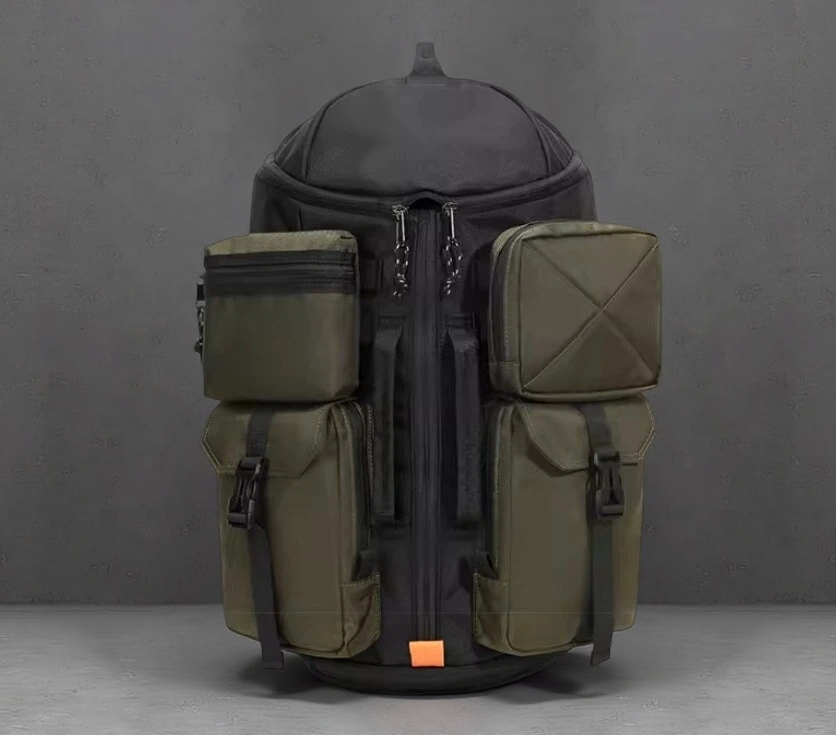
Case in Point: A hiking backpack we developed for an outdoor lifestyle brand uses 100% recycled nylon for the main body and webbing from recycled fishing nets (ECONYL®). Its radical eco-commitment and high performance earned it top marks in specialist retail.
2. Innovative Bio-Based & Hybrid Materials

Bio-Based Hybrid Fabrics: We offer hybrid fabrics with 30%-60% bio-based content, achieving an excellent balance of eco-credentials, performance, and cost. For example, a bio-based PU-coated fabric provides excellent water resistance and a matte finish, ideal for replacing traditional PU.
Natural & Recycled Blends: Fabrics like recycled cotton blended with rPET combine cotton's comfortable hand-feel with polyester's strength and structure, while drastically reducing water and pesticide footprint—perfect for totes and canvas backpacks.
3. The Compliance-First Process Package
All OSAMIC materials are paired with clean production processes that meet the latest EU/US regulations:
PFC-Free DWR: Durable Water Repellent finishes free from perfluorinated chemicals, pre-empting EU restrictions on PFAS substances.
Low-Heavy-Metal Hardware: All buckles, zippers, and other metal components comply with EU REACH Annex XVII and US CPSIA limits for nickel, lead, and cadmium release.
Part 3: The Designer's Playbook: Balancing Compliance, Cost & Creativity
1. Master Compliance to Avoid Costly Mistakes
Build a Material Dossier: Require your manufacturer (like OSAMIC) to provide key certifications for each recommended material: GRS/TC, OEKO-TEX, bio-based content test reports, heavy metal test reports.
Monitor Dynamic Lists: The EU SVHC (Substances of Very High Concern) list and California's Prop 65 list are updated annually. Partnering with a manufacturer that provides proactive compliance alerts is critical.
Use Marketing Claims Correctly: In the EU and US, claims like "compostable" or "recyclable" must be backed by strict standards and certifications to avoid penalties from bodies like the FTC.
2. Source Strategically to Optimize Cost & Narrative
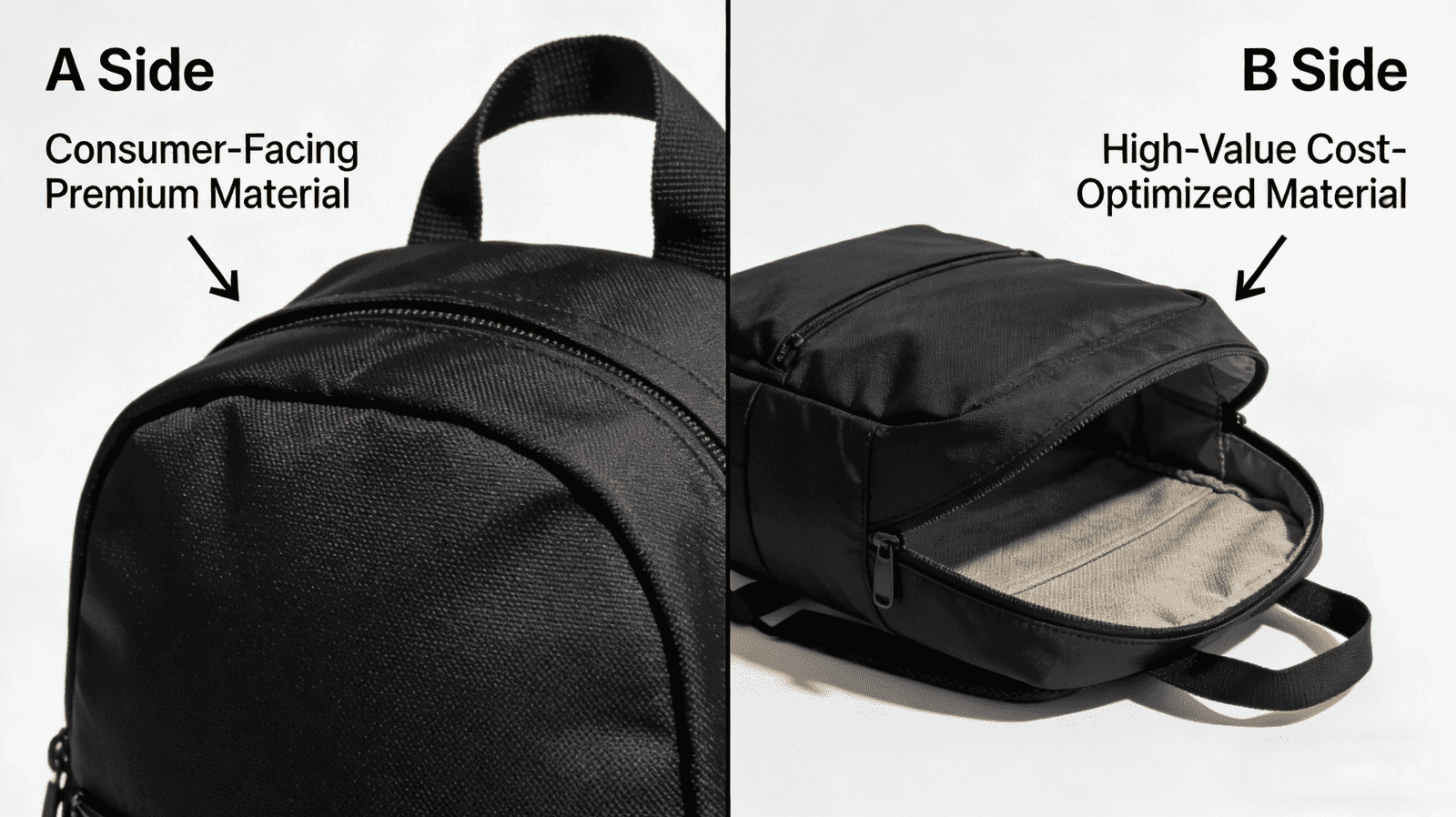
The A/B Side Strategy: Use high-impact, story-rich sustainable materials (e.g., 100% recycled fabric) on consumer-facing, primary visual areas (Side A). Use cost-effective, compliant standard materials on secondary areas like interiors or bases (Side B). This maximizes the eco-narrative at a controlled cost.
Focus on Signature Components: If using innovative bio-based materials for an entire bag is cost-prohibitive, apply them first to the most recognizable parts—a signature removable flap, strap, or hardware guard—creating a "green signature" for the product.
3. Weave Sustainability into Your Design DNA
Design for Longevity: Choose materials in classic colorways and timeless textures to avoid dating the product with short-lived trends.
Declare Your Choices: Clearly communicate the sustainable attributes of key materials on hangtags, inner labels, or via QR code (e.g., "Main Fabric: Recycled Nylon from 12 plastic bottles"). Transparency is powerful.
Plan for the "Next Journey": Consider the product's end-of-life in your design. Is it easy to disassemble for recycling? Does it enable a take-back program? OSAMIC's "Closed-Loop Service" can provide partner brands with solutions for bag collection and material regeneration.
Looking Ahead: The Material is the Message
The bag of the future will be more than a container; it will be a carrier of information. It will make a clear statement about how resources are used wisely, whether supply chains are fair, and what kind of planet we choose to live on.
At OSAMIC, we believe the best design is responsible design. We invest in sustainable material R&D not just to meet standards, but to work with visionary designers and brands like you to redefine what a "great product" means.
Ready to tell the next great material story with your designs? Contact us to explore how the OSAMIC Sustainable Material Library can bring innovation and confidence to your 2025 collection.