Meta Description: Most leather bag damage isn't from poor quality—it's from improper care. Learn how OSAMIC helps brands write care guides that protect customers and reduce returns.
Introduction: The Blame Game
A customer buys your beautiful leather bag. Three months later, they send an angry email. The leather is cracked. The color has faded. There's mold in the lining. They demand a refund. They claim it's a manufacturing defect.But here's what happened: they left the bag in direct sunlight for a week. They wiped a spill with bleach. They stored it in a plastic bag in a damp closet.Who is at fault?Legally, perhaps no one. Practically, you are — because you didn't teach them how to care for their purchase. A proper care guide is not a nice-to-have insert. It is your first line of defense against preventable damage, false defect claims, and negative reviews.This guide shows you how to write a care guide that protects your customers' investment and your brand's reputation.
Part 1: Set the Boundaries First
Most care guides jump straight into instructions. This is a mistake. You must first establish what is normal versus what is damage.
Opening Statement Template
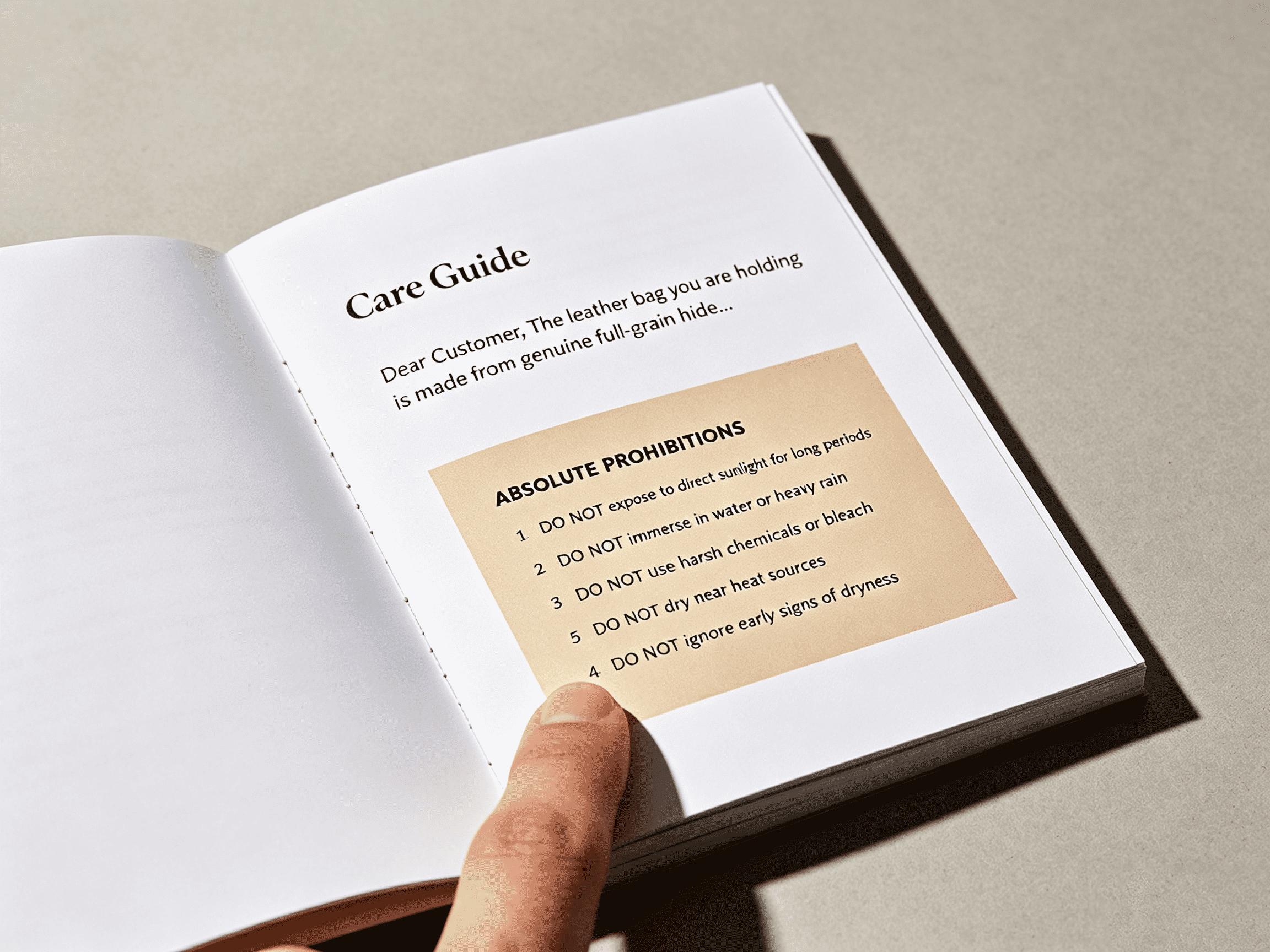
Dear Customer,The leather bag you are holding is made from genuine full-grain hide. Every natural grain, subtle color variation, and small marking is a characteristic of real leather—not a defect. Over time, your bag will develop a unique patina through normal use. This is the beauty of leather, not a flaw.However, leather is a natural material that requires proper care. Please follow the guidelines below carefully. Damage caused by improper care—including exposure to water, heat, chemicals, or incorrect storage—is not covered under our warranty.
Why this matters: It sets realistic expectations upfront. Customers learn that patina is normal, and they understand their responsibility for proper maintenance.
Absolute Prohibitions List
Place these prominently in a box or callout:
- DO NOT submerge in water
- DO NOT use bleach, alcohol, or household cleaners
- DO NOT expose to direct heat (radiators, hair dryers, cars in summer)
- DO NOT store in plastic bags
- DO NOT apply random oils or conditioners not specified for your leather type
Part 2: Care Instructions by Leather Type
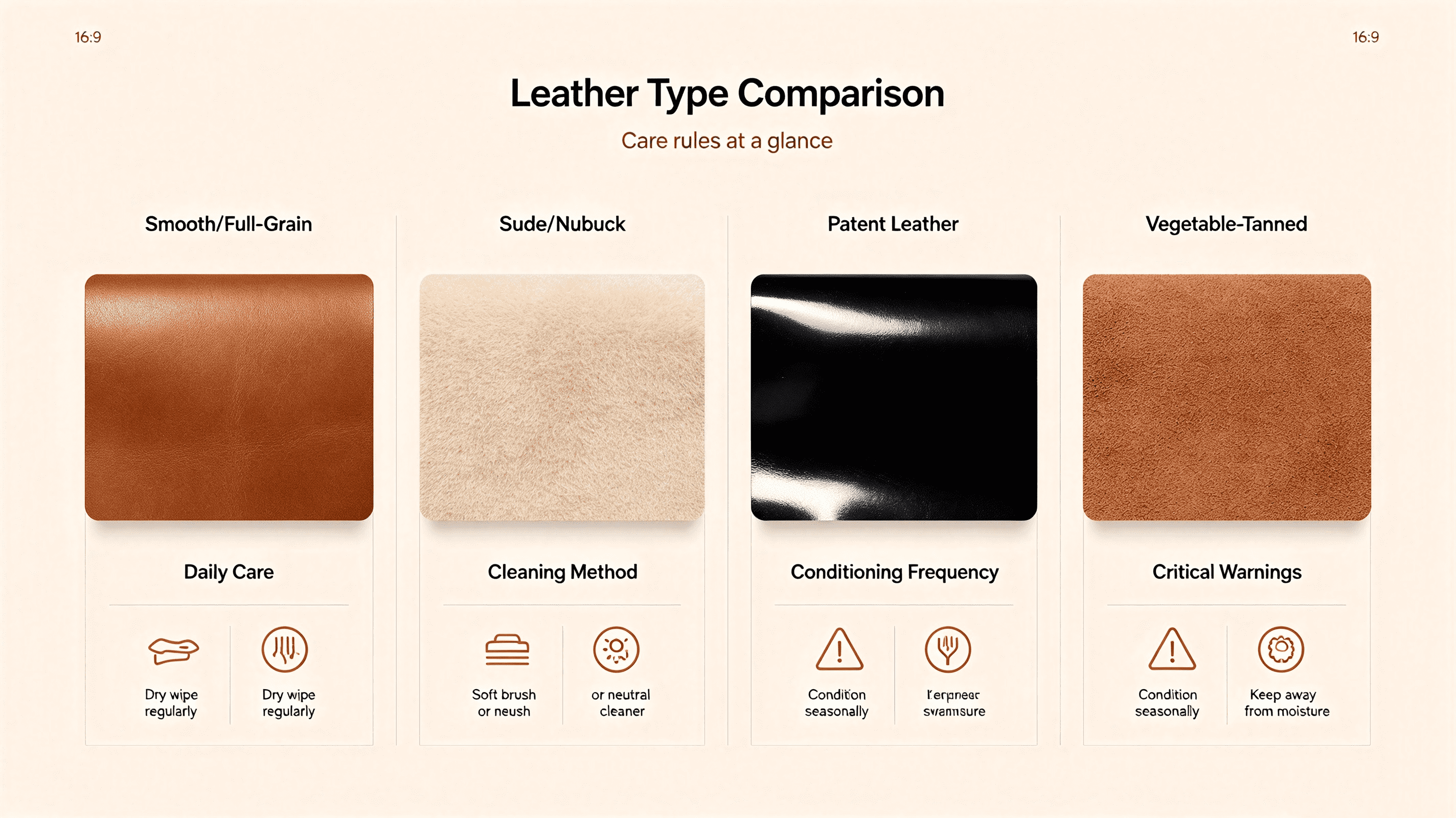
One of the biggest mistakes brands make is giving universal care advice for all leathers. Different leathers require completely different care. Help your customer identify their leather type first.
1. Smooth / Full-Grain Leather (Common in totes, briefcases, structured bags)
| Task | Instruction |
|---|
| Daily | Wipe with a soft, dry cloth in the direction of the grain. |
| Cleaning | Use a dedicated leather cleaner on a soft cloth. Apply cleaner to the cloth, not directly to the leather. |
| Conditioning | Apply a small amount of leather conditioner to a cloth, then buff onto the leather. Apply every 3-6 months. |
| Avoid | Pouring oil or conditioner directly onto the surface. This causes uneven absorption and dark spots. |
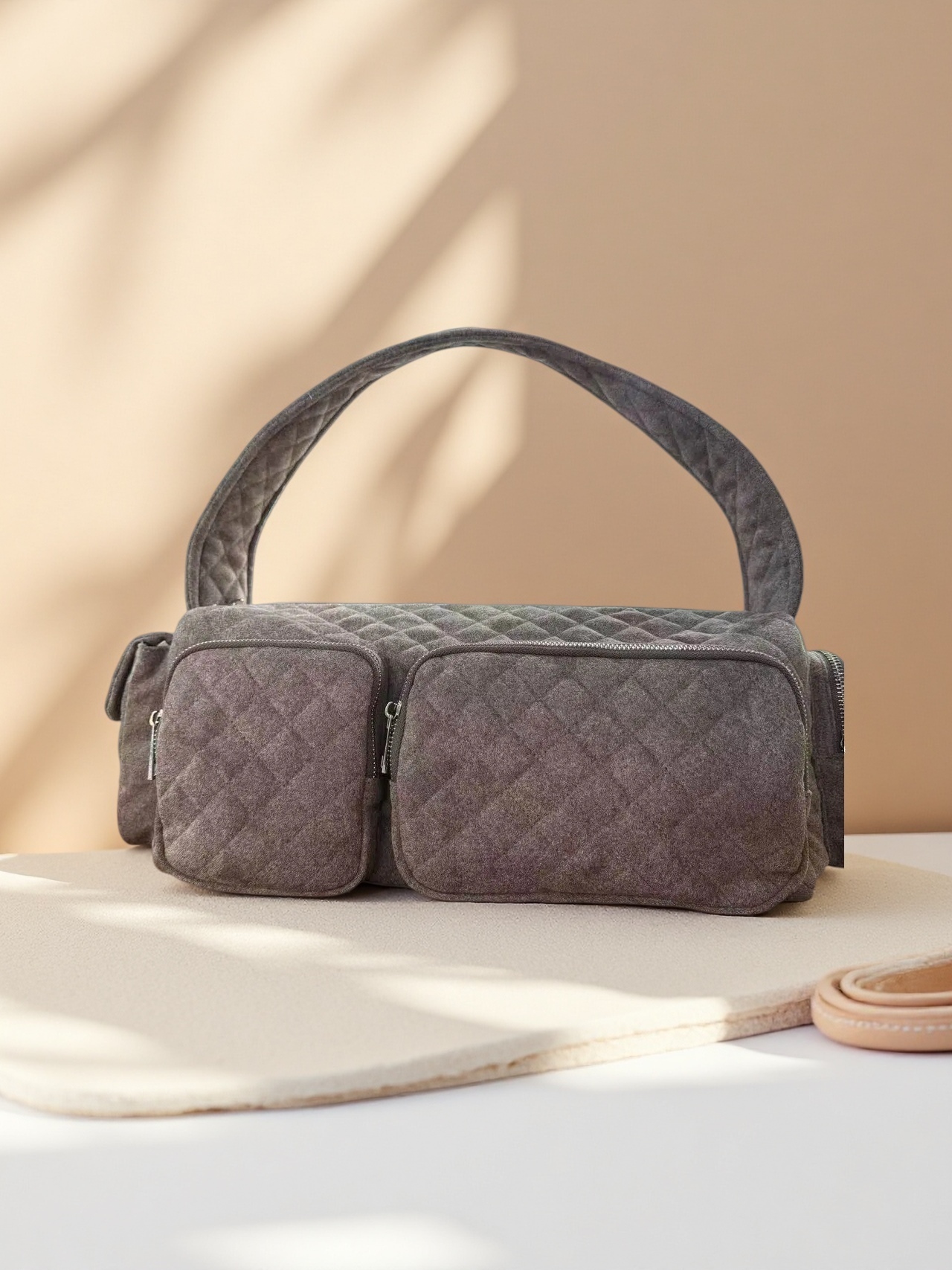
2. Suede / Nubuck (Common in casual and vintage-style bags)
| Task | Instruction |
|---|
| Daily | Brush with a soft suede brush in one direction to lift the nap. |
| Cleaning | Use a suede eraser for light marks. For stubborn stains, use a dedicated suede cleaner. |
| Critical Warning | Never use water or oil-based conditioners. Suede is highly absorbent and will stain permanently. |
| Frequency | Brush at least once per week to prevent dust buildup in the pores. |
3. Patent Leather (Common in evening bags and fashion pieces)
| Task | Instruction |
|---|
| Cleaning | Wipe with a slightly damp soft cloth. No conditioner needed. |
| Storage | Wrap each patent leather item separately in acid-free tissue paper. |
| Critical Warning | Patent leather can stick to other surfaces. Never store two patent leather items touching each other. Color transfer can occur. |
4. Vegetable-Tanned Leather (Common in artisan and natural-color bags)
| Task | Instruction |
|---|
| Daily | Avoid prolonged sun exposure and heavy water contact. |
| Conditioning | Apply mink oil or dedicated veg-tan conditioner every 6 months. |
| Patina Note | Veg-tan leather naturally darkens and develops a rich patina over time. This is normal and desirable. |
| Avoid | Leaving in direct sunlight for extended periods. This accelerates uneven darkening. |
Part 3: Emergency Response Protocols
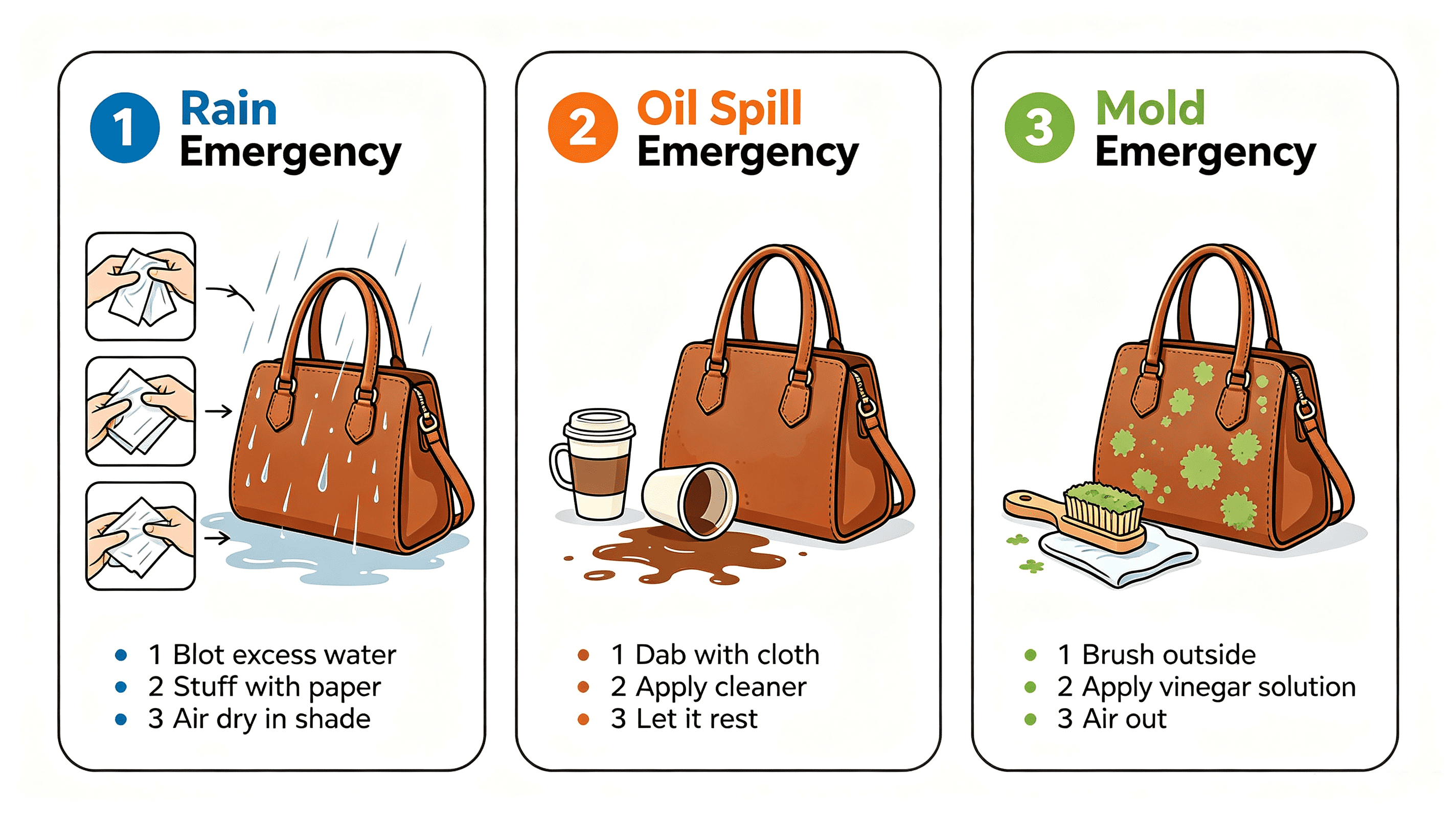
Most leather damage happens in sudden, unexpected moments. Give your customers clear, step-by-step instructions for common emergencies.
Scenario 1: Bag Gets Wet in Rain
- Immediately blot (don't rub) with a dry, lint-free cloth.
- Stuff the bag with clean cotton cloths or acid-free paper to maintain shape.
- Air dry in a shaded, ventilated area. Do not use a hairdryer or place near a radiator.
- Allow 24-48 hours to dry completely before using or storing.
Scenario 2: Oil or Drink Spill
Blot the spill immediately with a dry cloth. Do not rub.
- Apply a small amount of leather cleaner to a soft cloth.
- Dab (don't rub) the stained area following the grain direction.
- Let the area air dry for 10 minutes. Repeat if necessary.
Scenario 3: Mold Discovered on Stored Bag
- Isolate the bag from other leather items immediately.
- Brush off surface mold with a soft, dry cloth outdoors.
- Prepare a solution of 1 part white vinegar to 240 parts water.
- Lightly dab the solution on affected areas. Let sit for 5 minutes.
- Wipe dry with a clean cloth. Air dry completely in a ventilated area.
- Apply leather conditioner afterward. Change storage location to a drier spot.
Part 4: Storage Rules That Prevent Damage
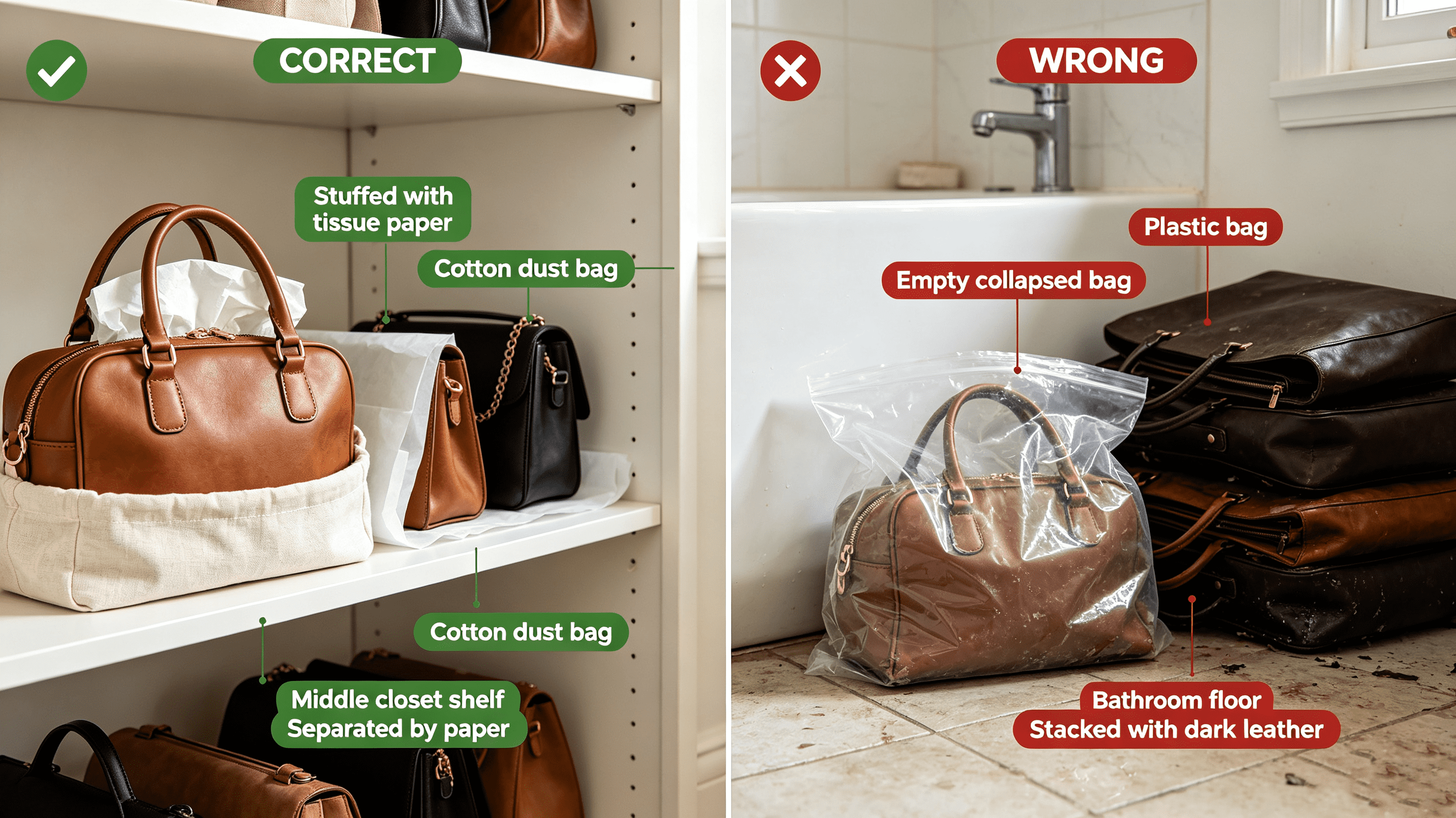
Vague instructions like "store in a dry place" are useless. Be specific.
| Rule | Instruction |
|---|
| Shape Maintenance | Stuff the bag with acid-free tissue paper or old cotton clothes to maintain its shape when not in use. |
| Bag Material | Store in the provided cotton dust bag. Never use plastic bags — they trap moisture and cause mold. |
| Location | Store in a well-ventilated closet, middle shelf. Avoid bathrooms, kitchens, and windowsills. |
| Temperature | Keep away from radiators, AC vents, and direct sunlight. |
| Color Separation | Do not stack different-colored leather bags together without tissue paper between them. Color transfer can occur over time. |
Part 5: Seasonal Maintenance Schedule
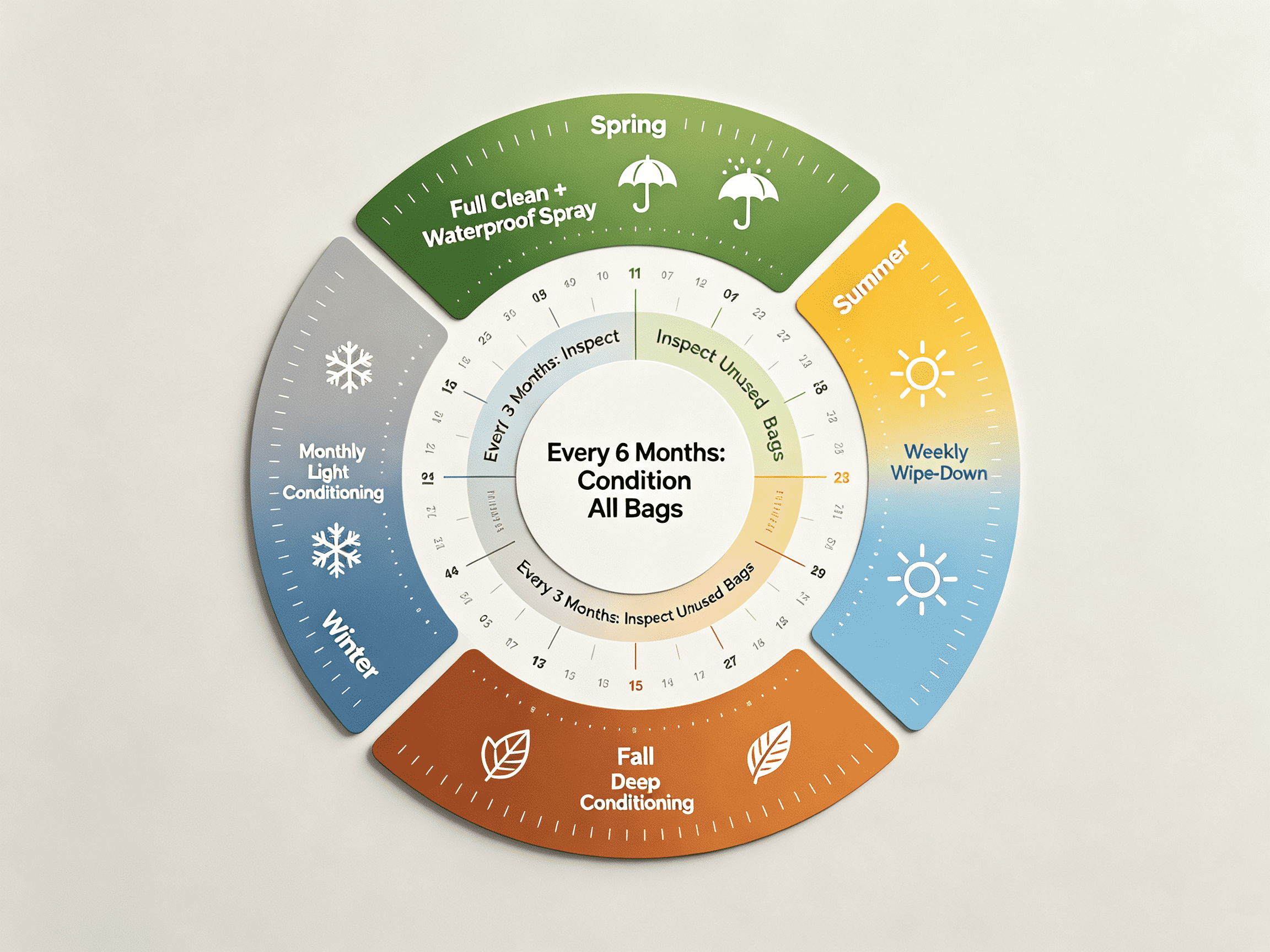
Customers don't know when to care for their bags. Give them a calendar.
| Season | Action |
|---|
| Spring (Pre-Rainy Season) | Full clean + apply waterproofing spray. |
| Summer (High Sweat) | Weekly wipe-down of handle and body contact areas. Remove salt residue. |
| Fall | Deep conditioning with mink oil or leather balm to prepare for dry winter air. |
| Winter (Low Humidity) | Avoid prolonged outdoor exposure. Keep away from indoor heating vents. Monthly light conditioning. |
| Every 3 Months (Unused Bags) | Take out of storage, inspect, air for 24 hours. |
| Every 6 Months | Apply leather conditioner to all bags in rotation. |
Part 6: Warranty Boundaries (Clear and Fair)
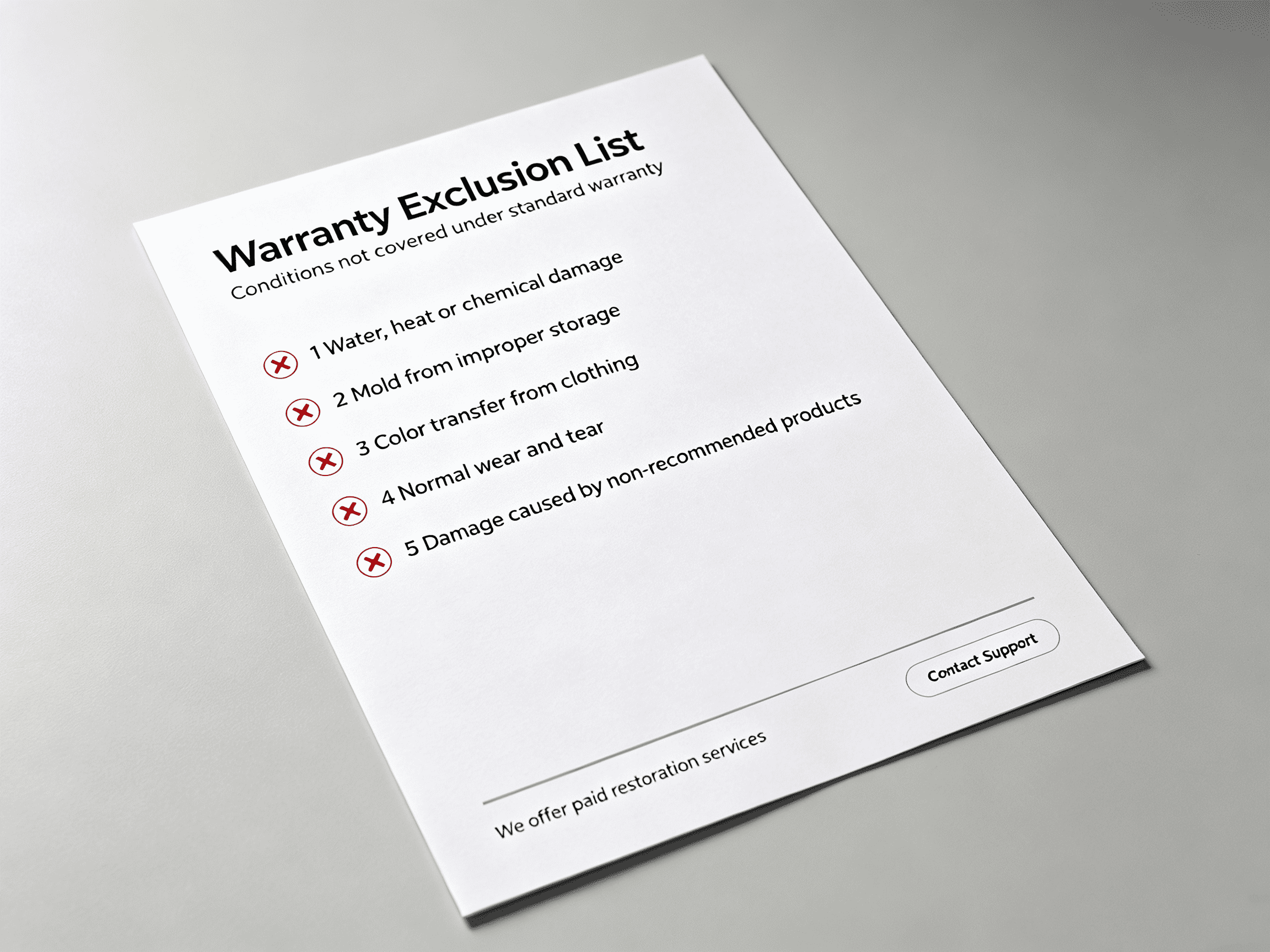
Finally, clearly state what is not covered. This prevents unrealistic expectations and reduces frivolous claims.
Warranty Exclusion Template
Our warranty covers manufacturing defects only. The following are not covered:- Damage from water immersion, heat exposure, or chemical contact
- Mold caused by improper storage (humidity, plastic bags)
- Color transfer from clothing or other accessories
- Normal wear and tear (scratches, corner wear, patina development)
- Damage from non-recommended cleaning products
We offer paid professional restoration services for non-warranty issues. Contact us for a quote.
The OSAMIC Standard: Care Guides That Protect Everyone

At OSAMIC, we provide every brand partner with a customizable care guide template that includes:
- Material-specific sections for each leather type used in your collection
- Clear visual icons for dos and don'ts (easy to translate across languages)
- Emergency response cards that fit inside the bag
- Digital version optimized for mobile viewing on your product page
Your Next Step: Audit Your Current Care Guide
Quick Assessment:
- Does your care guide distinguish between different leather types?
- Does it include specific emergency response steps?
- Does it clearly state warranty boundaries?
- Does it give a seasonal maintenance schedule?
If you answered "no" to any, you are exposing your brand to preventable complaints.Contact OSAMIC for a complimentary Care Guide Review. We'll evaluate your current customer-facing care instructions and provide recommendations to reduce returns, manage expectations, and protect your brand reputation.