


New Product Series
Product Classificaiton
Meta Description: Your design is stunning—but can it be made? Learn how OSAMIC's DFM-first approach preserves creative vision while ensuring manufacturability. Essential reading for designers and brand owners.
Every bag designer knows the feeling. You've spent weeks perfecting a sketch. The proportions are elegant. The curves are fluid. The concept is pure art. Then you send it to the factory, and the reply comes back: "This can't be made in production."Or worse, it canbe made—but only at a cost that destroys your margin, or with a defect rate that destroys your reputation.This disconnect between creative vision and manufacturing reality is one of the most painful—and preventable—problems in the bag industry. It's not a failure of talent. It's a failure of communication and process.At OSAMIC, we bridge this gap with a structured approach called Design for Manufacturability (DFM) . The goal is not to limit creativity, but to guide it toward producible excellence. This guide explains how we help designers bring their most ambitious ideas to life, without compromise.
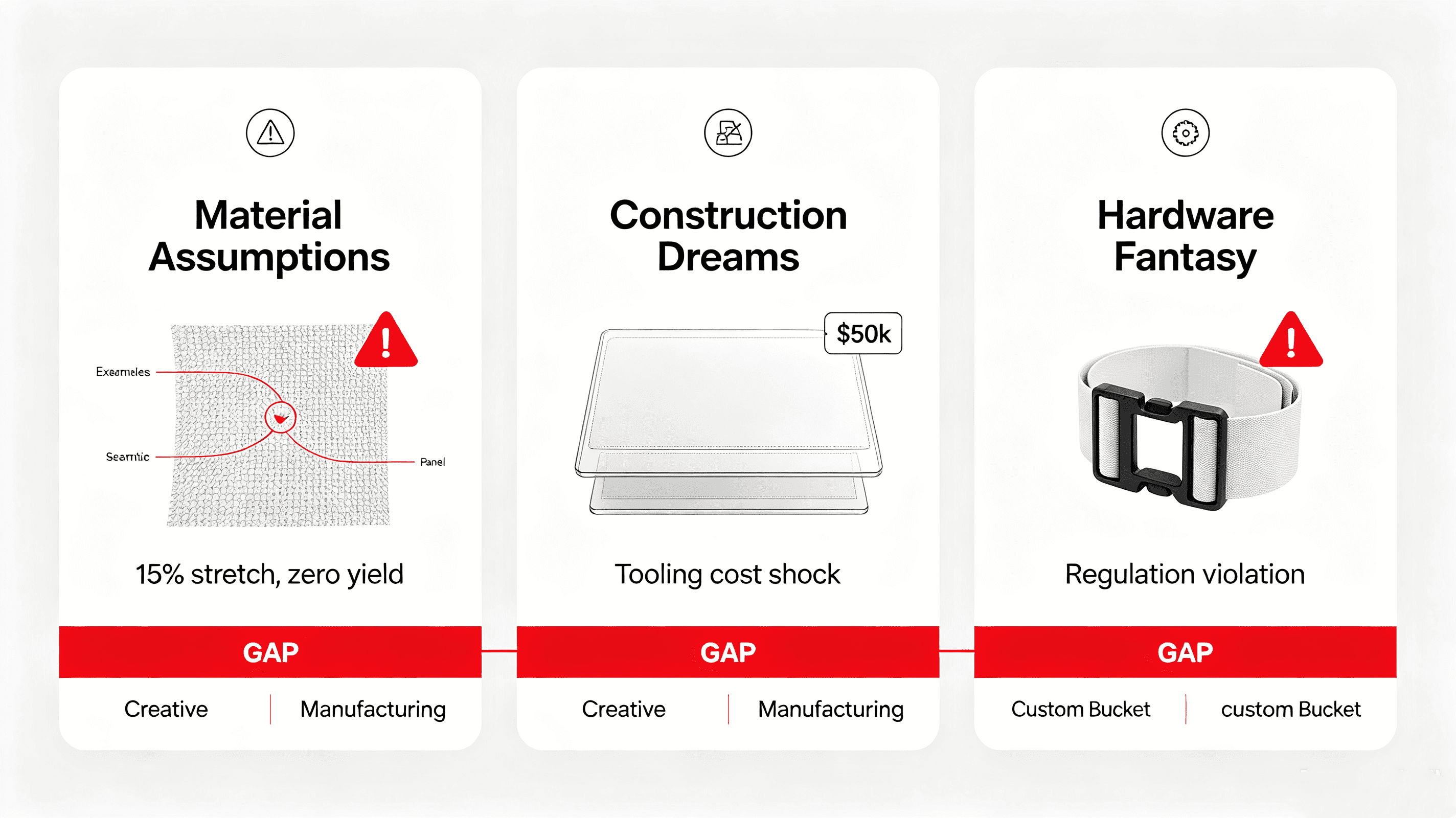
The gap typically opens at three critical points:
| Stage | The Creative's Assumption | The Manufacturer's Reality |
|---|---|---|
| Material Selection | "This exotic fabric will look incredible." | The fabric has 15% stretch in one direction and zero in another—cutting yields will be disastrous. |
| Construction Detail | "A seamless, one-piece molded back panel." | The mold would cost $50,000 and require a minimum order of 10,000 units. |
| Hardware Specification | "This custom antique brass buckle." | The plating process required releases VOCs that violate environmental compliance. |
The solution is not to stop dreaming. It is to start the manufacturing conversation earlier.
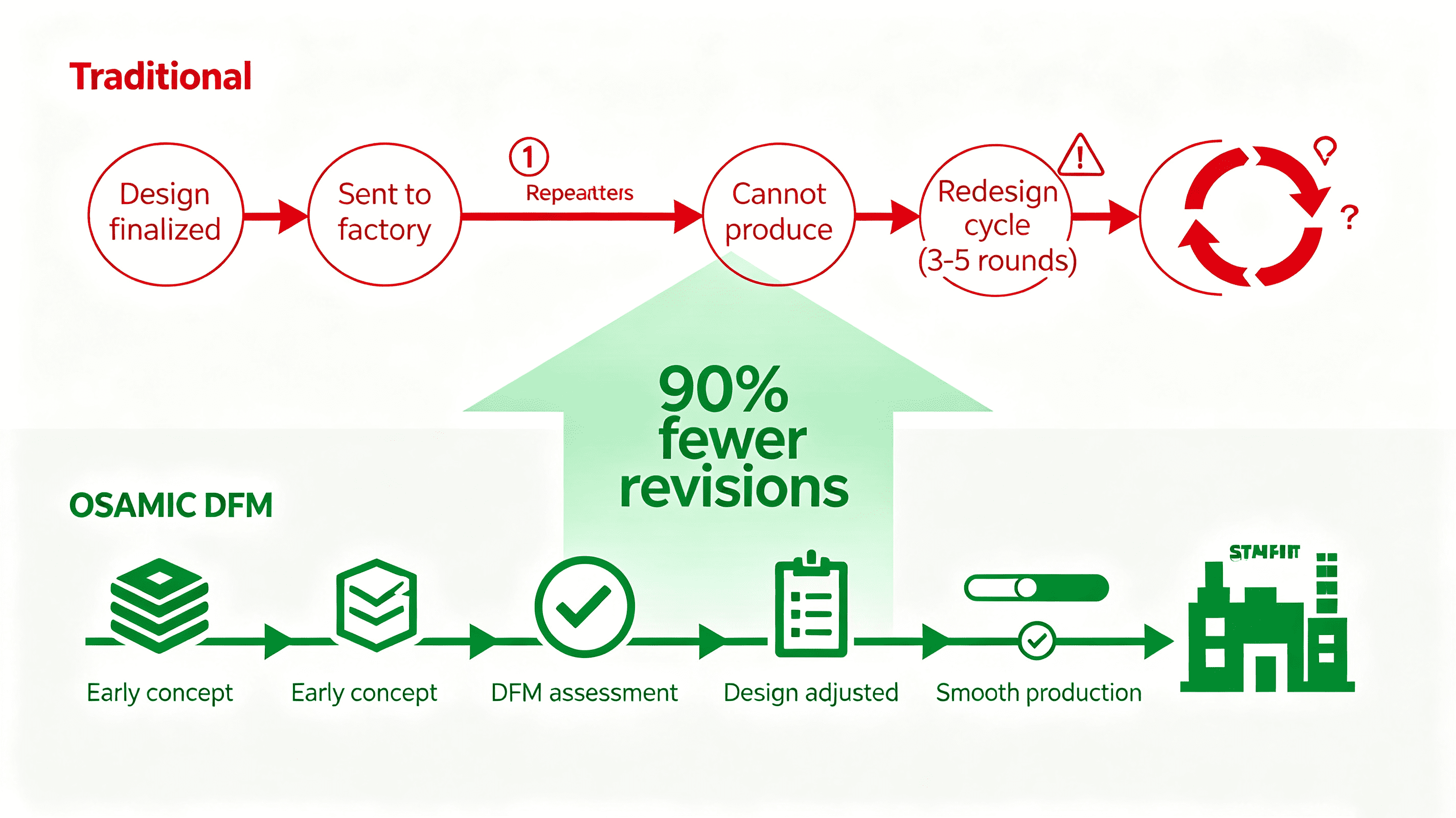
The most powerful time to consider manufacturability is beforethe design is locked. We conduct a preliminary feasibility review based on your concept direction, identifying:
Material Constraints: Is the proposed fabric available in the required width? Does it have directional stability issues? Is it compatible with standard cutting and sewing equipment?
Output: A DFM Report that flags potential issues with suggested alternatives, delivered while the design is still flexible.
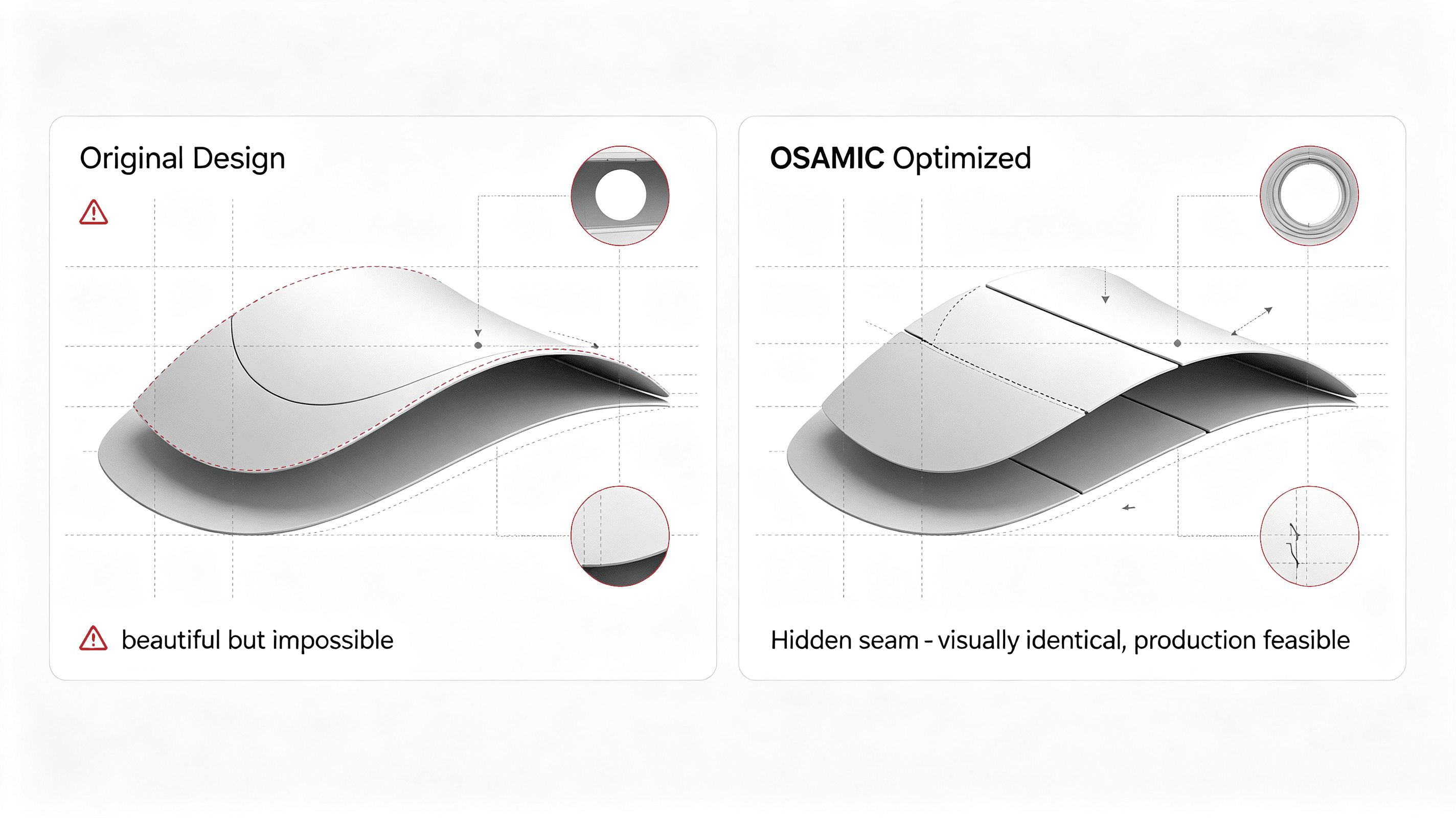
When a constraint is identified, we don't simply say "no." We propose alternatives that preserve the visual intent.
| Original Design Challenge | OSAMIC DFM Solution | Aesthetic Outcome |
|---|---|---|
| One-piece seamless curved panel | Split into 2-3 panels with hidden seam stitching | Visual continuity preserved; seam becomes a design feature |
| Complex 3D molded structure | Hybrid construction: molded component + fabric wrapping | Retains sculptural look at fraction of tooling cost |
| Oversized hardware that stresses fabric | Reinforced attachment points with lighter-weight hardware | Visual weight maintained; structural integrity improved |
| Extremely tight stitch density (12 stitches/inch) | Optimized to 8-10 stitches/inch with thread selection | Durability maintained; production speed increased 3x |
Principle: We optimize for visual equivalence, not literal replication. If the eye cannot detect the difference, the design is preserved.
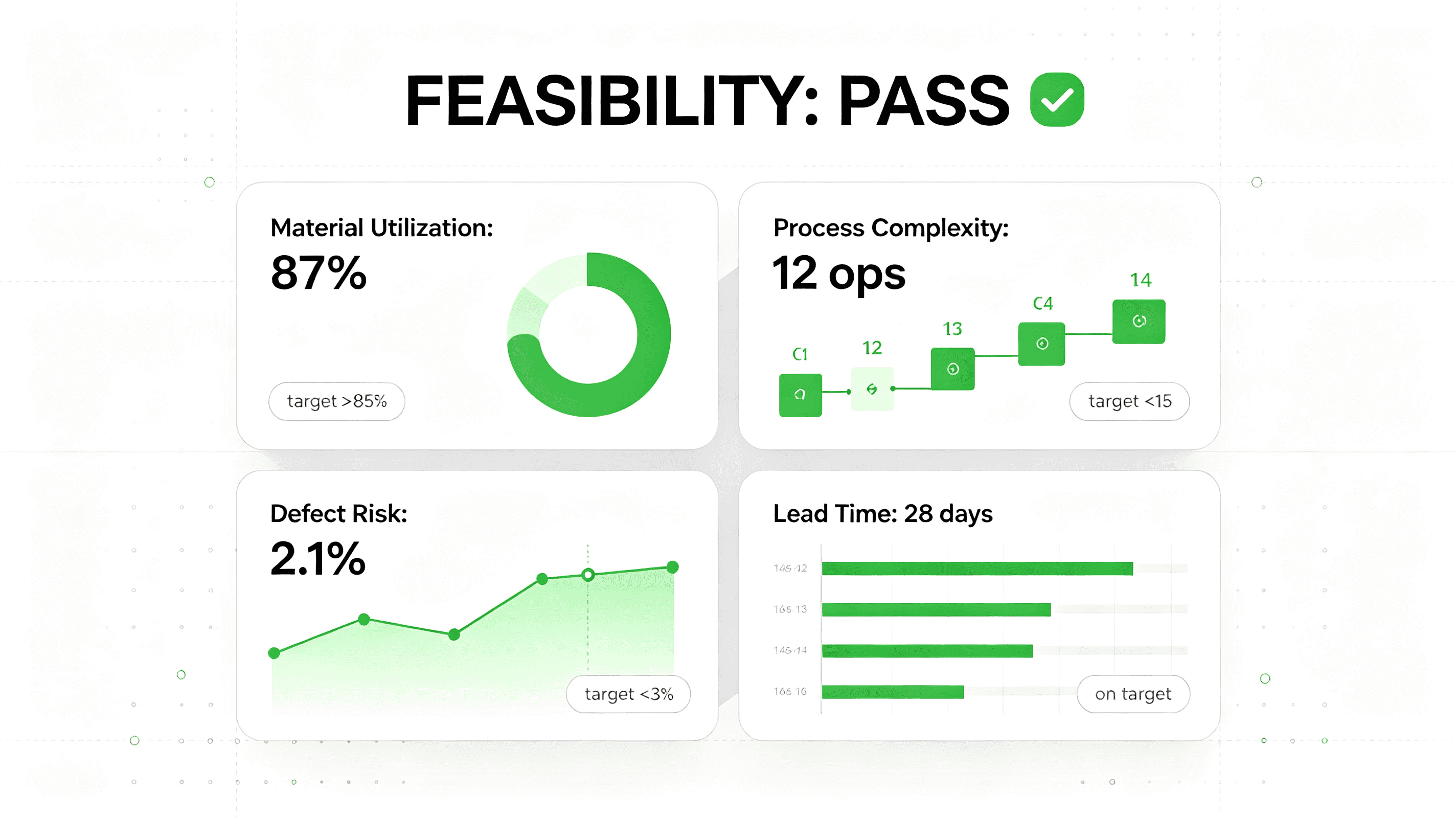
Before committing to production, we run a comprehensive assessment across four critical dimensions:
| Dimension | Assessment Criteria | Target |
|---|---|---|
| Material Utilization | Cutting yield percentage (usable area ÷ total material) | >85% |
| Process Complexity | Number of unique operations, specialized skills required | <15 operations per bag |
| Defect Risk | Historical defect rate for similar constructions | <3% |
| Production Lead Time | Estimated time from order to completion | Aligned with your target |
This evaluation provides a clear, data-backed picture of the design's production viability, cost profile, and risk factors—before a single yard of fabric is cut.
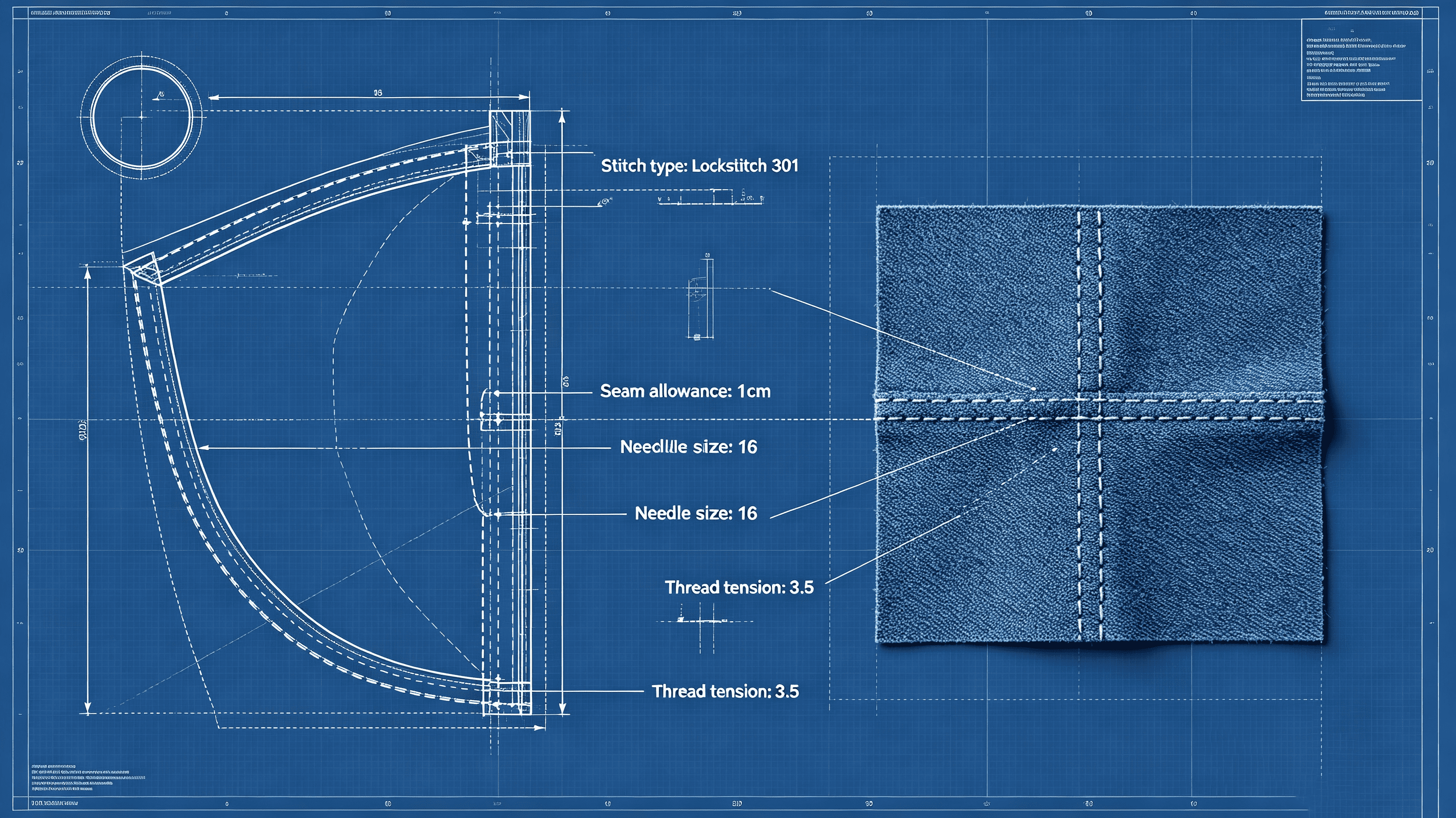
The final piece of the bridge is a shared language between creatives and makers.
Result: Design revisions are reduced by 90%+, and the time from final design to production-ready sample is cut by more than half.
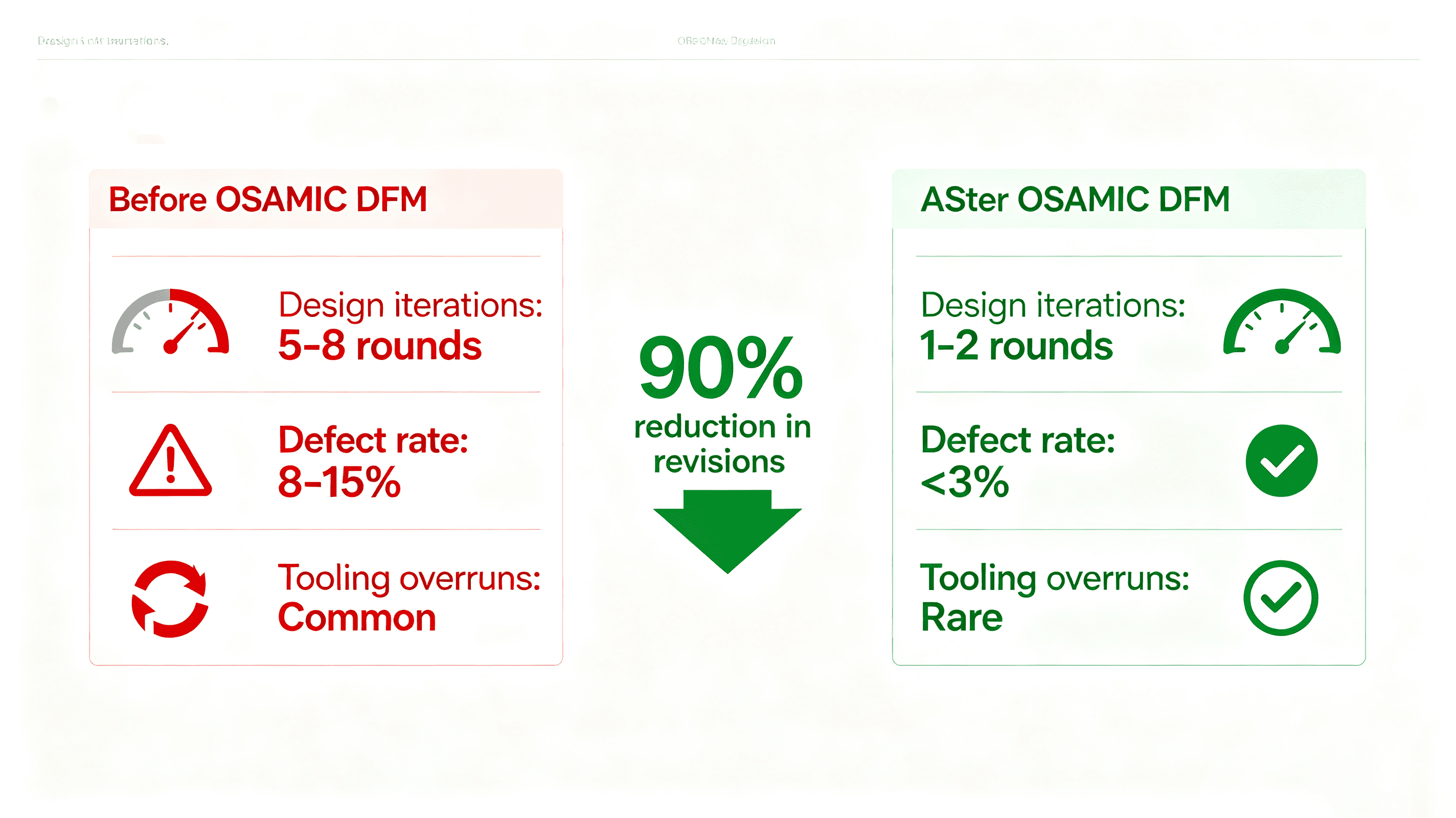
| Metric | Before OSAMIC DFM | After OSAMIC DFM |
|---|---|---|
| Design-to-sample iterations | 5-8 rounds | 1-2 rounds |
| Production defect rate (first batch) | 8-15% | <3% |
| Tooling cost overruns | Common | Rare (identified upfront) |
| Designer satisfaction | Frustrated | Empowered |
We do not believe that manufacturability is the enemy of creativity. We believe that constraint is the mother of invention. The most iconic bag designs in history were born from a deep understanding of materials and processes.When you partner with OSAMIC, you gain access to a team that speaks both languages: creative and technical. We help you push boundaries without breaking budgets. We help you dream big—and then build it.Your next brilliant design deserves to be made.Contact OSAMIC for a complimentary DFM Review of your current or upcoming collection. Send us your sketches or concepts, and we'll provide a preliminary feasibility assessment with recommendations to optimize for production without compromising your vision.