Smooth Seasons, Steady Profits: Seasonal Inventory Balancing for Bag Brands
Meta Description: Stop the feast-or-famine cycle. OSAMIC's seasonal smoothing strategy balances inventory across peaks and valleys, freeing cash flow and stabilizing production.
Introduction: The Rhythm Problem
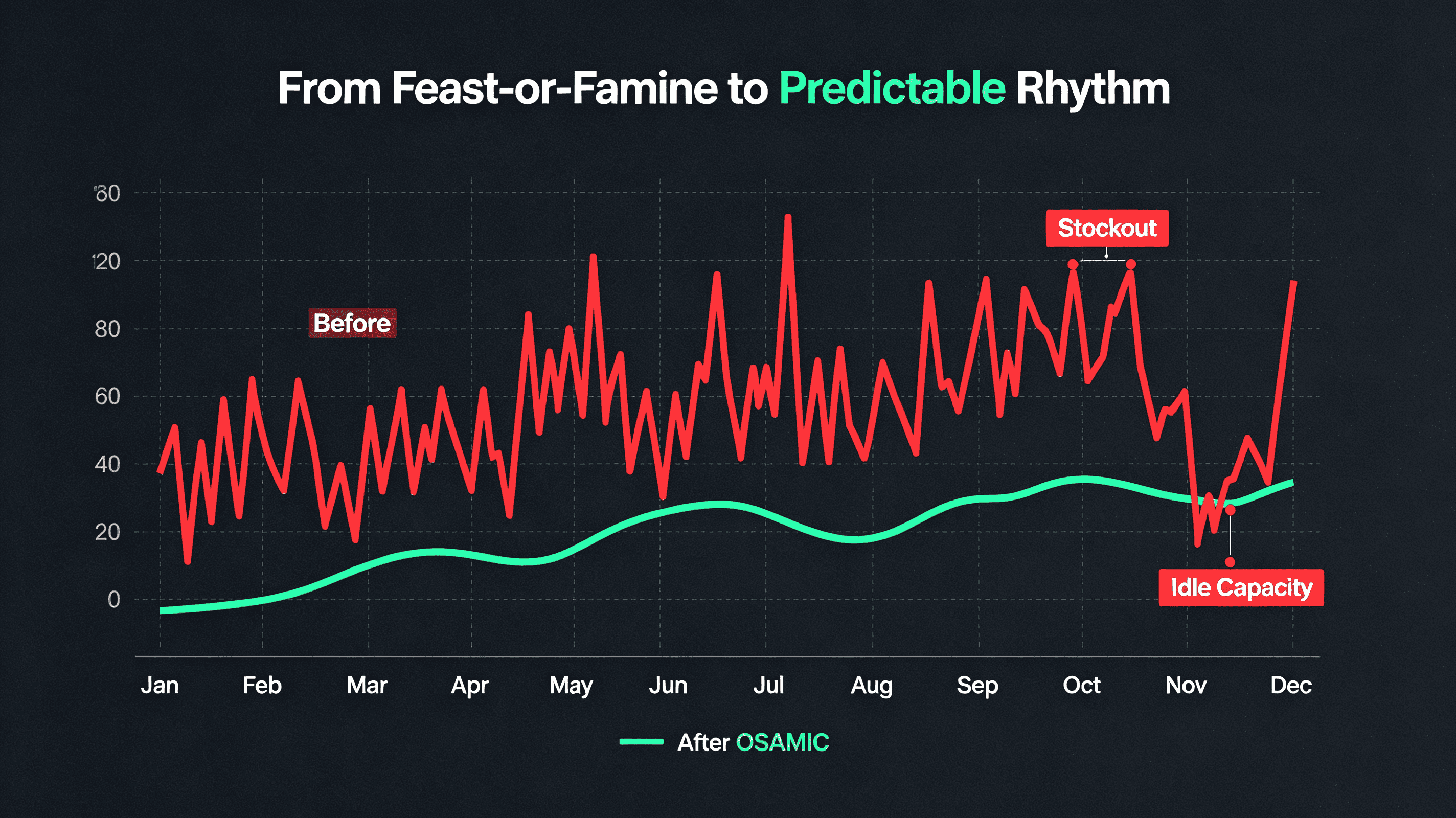
For bag brands, the year is rarely a steady beat. It's a violent oscillation: peak seasons where every factory is maxed out, lead times stretch, and you're scrambling to keep bestsellers in stock—followed by valley seasons where production lines sit idle, cash is tied up in unsold inventory, and your team is left wondering what to do next.This feast-or-famine cycle isn't inevitable. It's a symptom of a supply chain designed for reactivity, not rhythm. The solution is a deliberate, data-informed strategy that smooths demand across the calendar, balances inventory across categories, and aligns production capacity with a predictable, year-round cadence.This guide outlines a comprehensive framework for seasonal inventory balancing, designed specifically for the unique dynamics of the bag industry.
Strategy 1: The Phased Replenishment Model
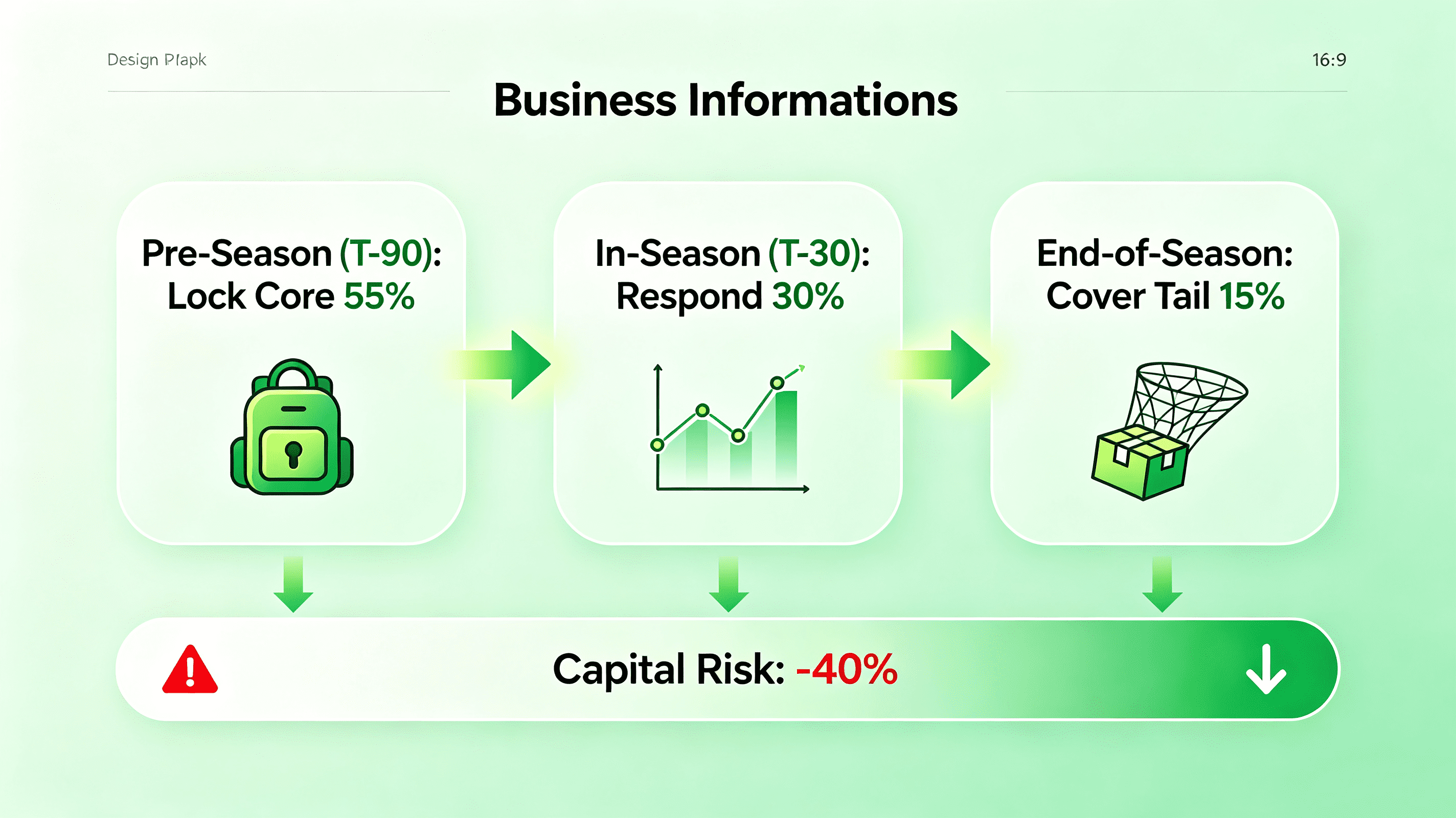
Replace the "one big bet" ordering approach with a phased, risk-reduced model.
- Pre-Season (T-90 days): Lock the Core (55%)Place firm orders for your proven bestsellers and core essentials. This secures factory capacity and raw materials before the rush, locking in pricing and guaranteeing supply. Focus on SKUs with predictable, year-over-year demand.
- In-Season (T-30 days): Respond to Reality (30%)Once the season is underway, use real-time sell-through data to place follow-up orders. This "read and react" tranche captures upside from unexpected winners without committing to excess inventory upfront.
- End-of-Season (Current): Cover the Tail (15%)Reserve a small, flexible inventory buffer for late-emerging trends, replenishment of steady sellers, and unplanned wholesale requests. This prevents stockouts on profitable items while limiting exposure to overstock.
Result: Reduced upfront capital risk, improved in-stock rates on winners, and minimized end-of-season clearance.
Strategy 2: Dynamic Demand Forecasting
Replace gut feel with statistical rigor. The Holt-Winters triple exponential smoothing method is particularly effective for bag demand, which exhibits both trend and seasonality.
- Input Variables: Layer historical sales data with external drivers: tourism statistics, academic calendars (back-to-school), weather patterns, and macroeconomic indicators.
- Calibration Target: A well-tuned model should achieve forecast error of ±12% or less, compared to the 30-50% error common in intuition-based planning.
- Continuous Learning: Update the model monthly as new sales data becomes available, allowing it to adapt to shifting consumer behavior.
Result: Significantly reduced overstock and stockout events, improved cash flow predictability.
Strategy 3: Off-Peak Capacity Utilization
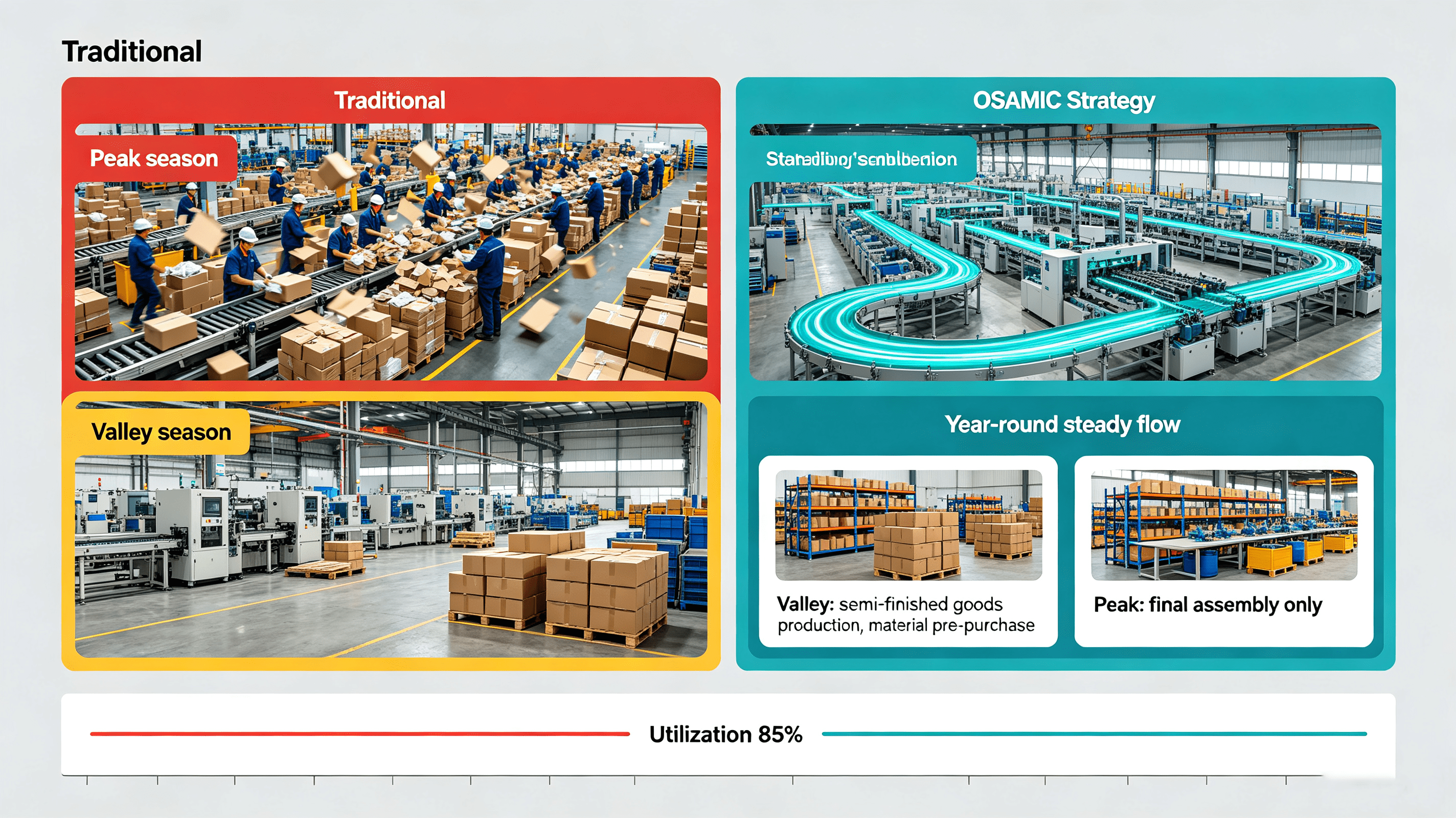
The most cost-effective production capacity is the capacity you already have. Use valley periods strategically.
- Pre-Production of Semi-Finished Goods: During slow months, produce semi-finished shells, linings, and components for your core, evergreen styles. Store them as work-in-progress (WIP) inventory. When peak season hits, you only need to perform final assembly and finishing, compressing lead time by 50-70%.
- Bulk Material Procurement: Purchase high-volume, stable materials (standard webbing, zippers, hardware) during off-peak periods when suppliers are eager for orders and prices are negotiable. This reduces material cost and secures supply.
- Tooling & Sample Preparation: Use downtime to develop and approve samples for the upcoming season, so you enter the peak period with a fully validated product lineup.
Result: Smoother factory utilization, compressed peak-season lead times, and improved gross margins.
Strategy 4: Counter-Seasonal Product Development
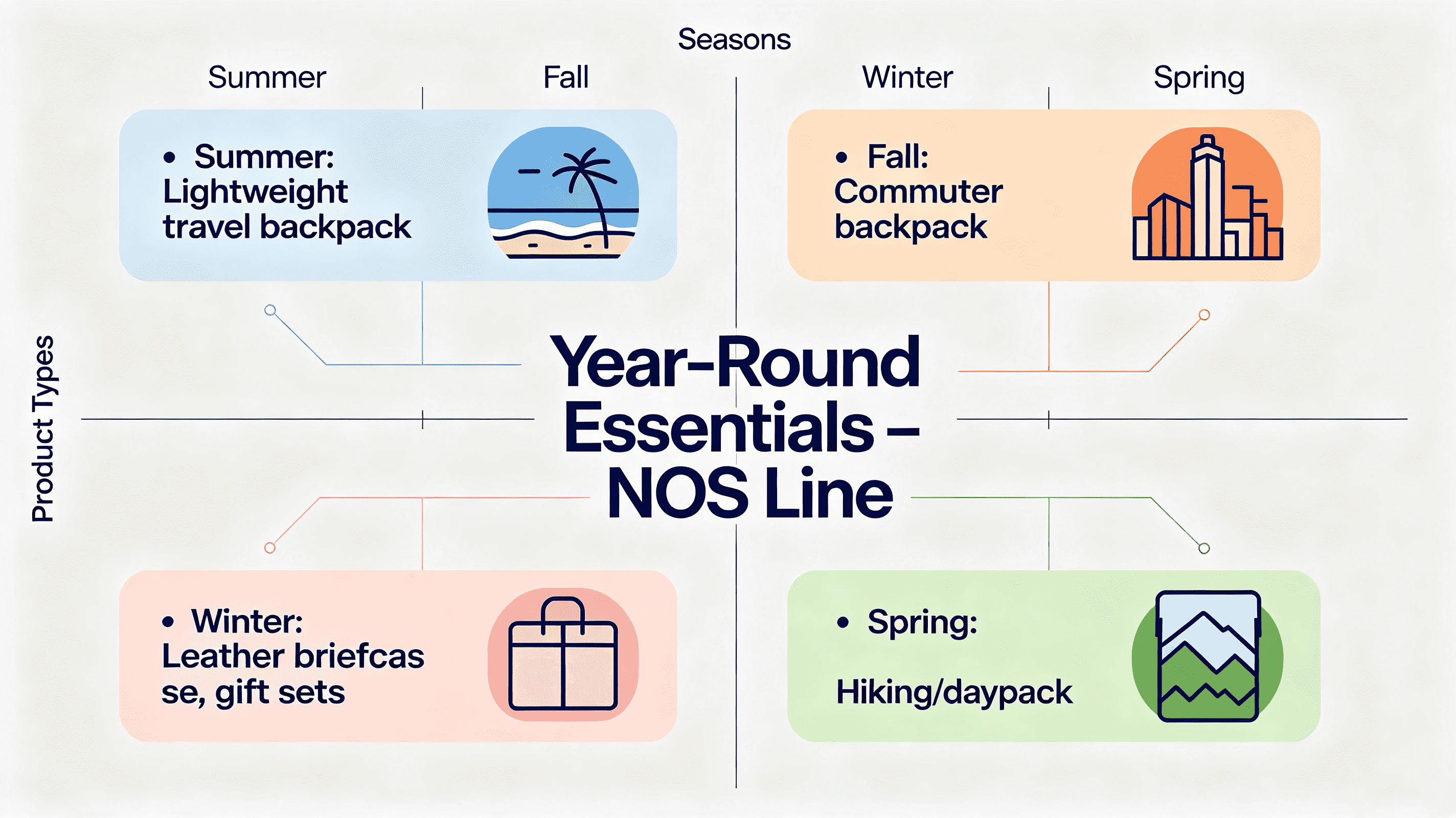
Create product lines specifically designed to sell during your traditional slow periods.
- Summer (Slow for Backpacks?): Develop lightweight, packable travel bags, beach totes, and hydration packs. These cater to summer travel demand and fill the gap between spring and fall peaks.
- Winter (Slow for Travel?): Focus on commuter bags, premium leather briefcases, and corporate gift sets (for year-end gifting). These leverage the winter holiday season and corporate budget flush.
- Year-Round Essentials: Cultivate a "never out of stock" (NOS) line of core basics that sell steadily regardless of season. This provides a baseline load for your production partner.
Result: A more balanced annual production schedule, reduced reliance on seasonal spikes, and new revenue streams.
Strategy 5: Flexible Supply Agreements
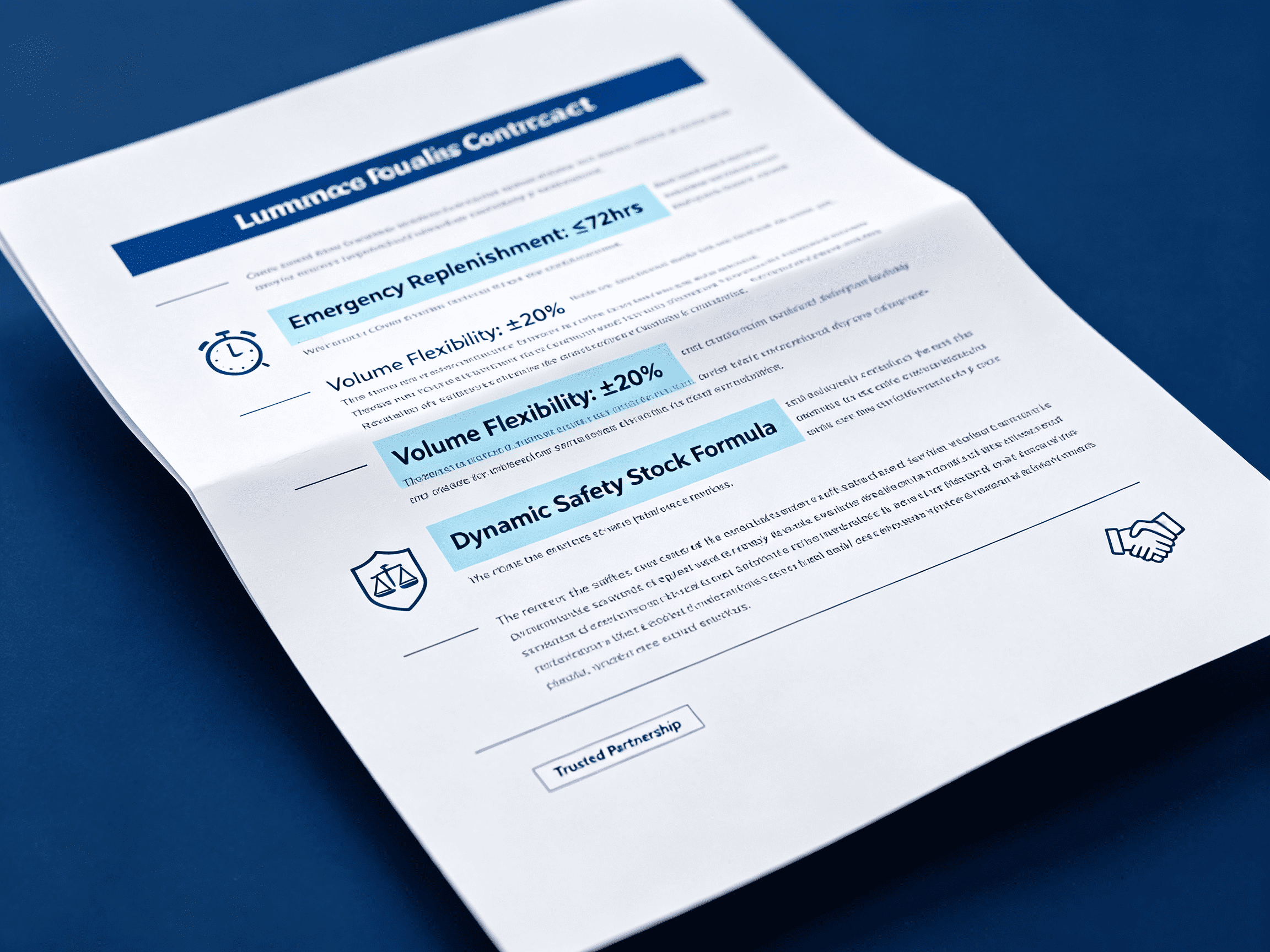
Your contract with your manufacturing partner should be a strategic tool, not just a purchase order.
- Emergency Replenishment Clause: Negotiate a guaranteed response time for urgent replenishment orders (e.g., ≤72 hours from order confirmation to shipment). This requires your partner to hold reserved capacity and pre-positioned materials.
- Dynamic Safety Stock Formula: Move beyond arbitrary safety stock levels. Use a formula that accounts for:
- Base Stock: Average demand during lead time.
- Peak Volatility Buffer: Additional stock for the standard deviation of demand during your peak season.
- Contingency Reserve: A small, additional buffer for supply disruptions (e.g., port delays, material shortages).
- Volume Flexibility: Agree on a range (e.g., ±20% of forecast) within which your partner commits to absorbing order fluctuations without penalty.
Result: Predictable service levels, reduced need for expensive safety stock, and a true partnership orientation.
Strategy 6: End-of-Season Inventory Liquidation
Plan for the inevitable surplus before it becomes a problem.
- Initiate 30 Days Before Season End: Begin a graduated discount program. Offer deeper discounts to VIP/membership segments first, then expand to broader audiences.
- Multi-Channel Diversion: Route remaining inventory through alternative channels: B2B wholesale (at a discount), employee sales, donation for tax benefit, or component harvesting (salvaging valuable hardware/fabrics for future use).
- Prevention is the Best Cure: The most effective liquidation strategy is to have less to liquidate. Accurate forecasting and phased ordering (Strategy 1) are your primary tools.
Result: Maximized recovery value, minimized warehousing costs, and cleaner inventory for the new season.
The OSAMIC Advantage: Your Partner in Rhythm
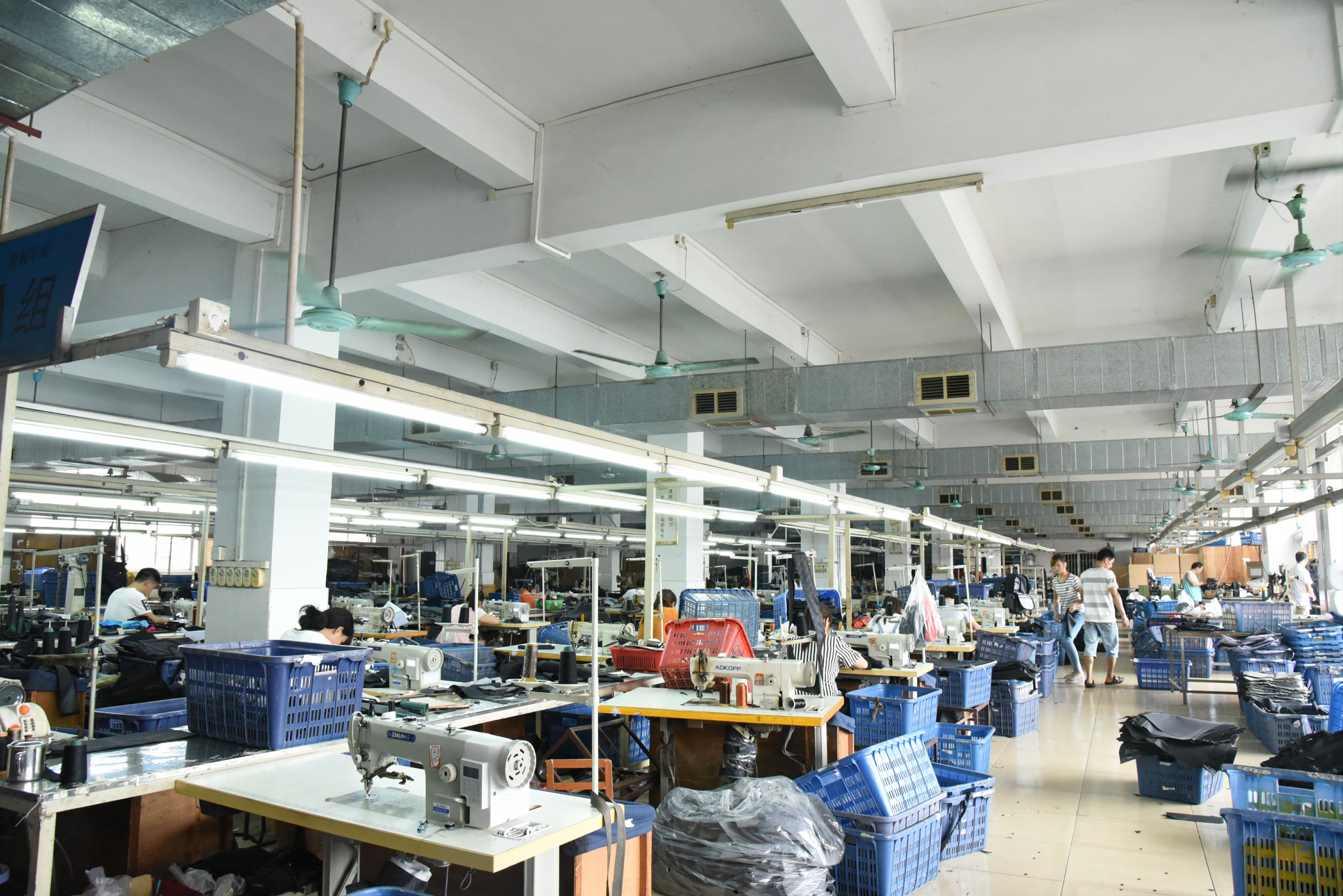
At OSAMIC, we don't just manufacture bags; we help orchestrate your supply chain rhythm. Our capabilities directly support each pillar of this strategy:
- Phased Production: Our flexible lines accommodate the pre-season/in-season/end-of-season model.
- WIP Storage: We can hold semi-finished goods in our bonded warehouse, releasing them for final assembly on your signal.
- Counter-Seasonal Expertise: Our design and engineering team can help develop your off-peak product concepts.
- Flexible Agreements: We are structured to offer the capacity reservations and rapid-response clauses described above.
Your Next Step: Diagnose Your Seasonality
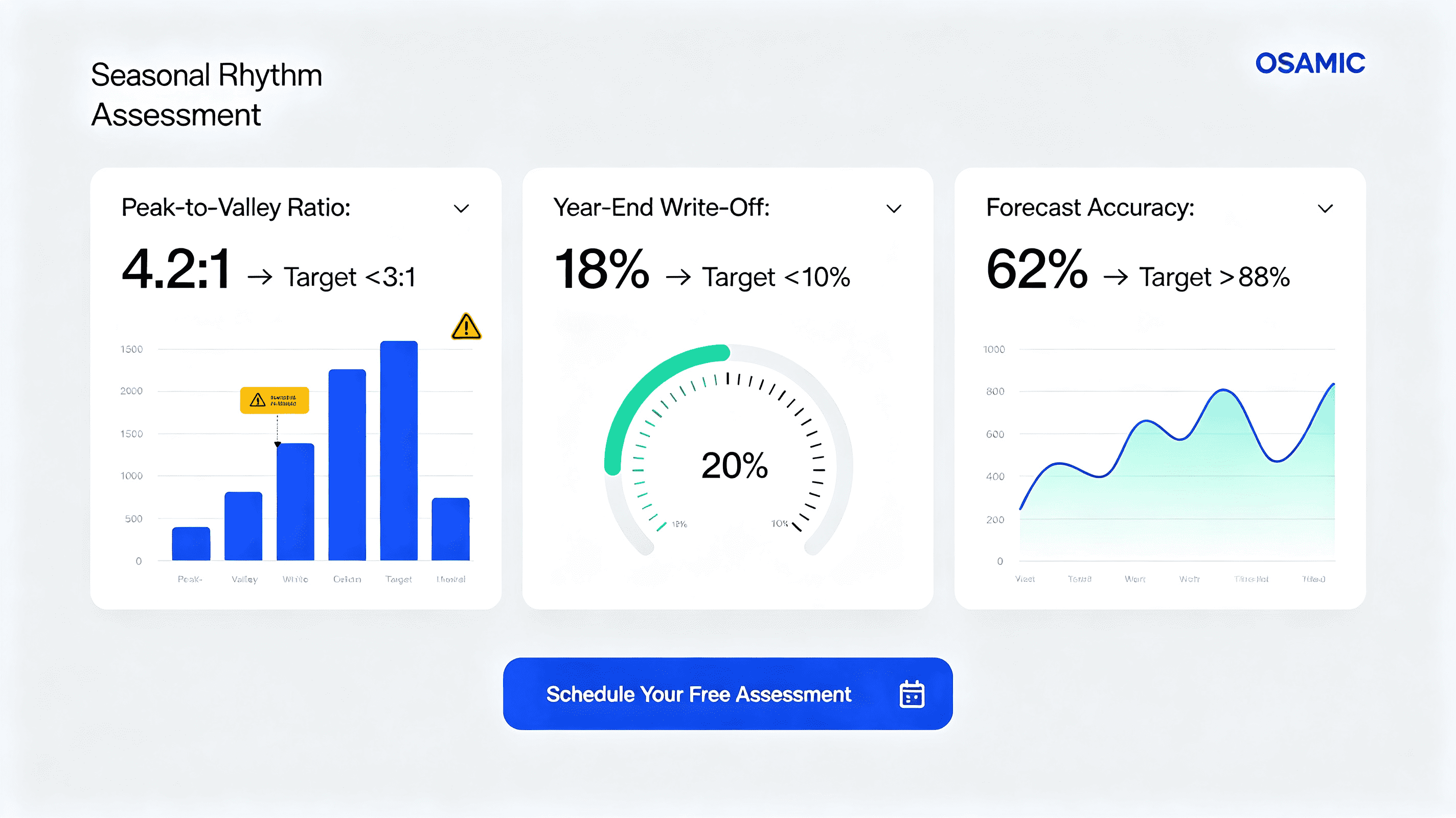
Every brand's seasonal pattern is unique. The first step is understanding yours.Start by analyzing your last 12 months:
- What were your peak and valley months for sales?
- What was your peak-to-valley ratio (highest month sales ÷ lowest month sales)? (Target: <3:1)
- What percentage of your annual inventory was written off or deeply discounted at year-end? (Target: <10%)
Contact OSAMIC for a complimentary Seasonal Rhythm Assessment. We'll analyze your sales data and production history to identify your specific seasonality patterns and recommend a customized smoothing strategy. Turn the chaos of seasonal swings into a predictable, profitable rhythm.