Meta Description: Stop letting inventory trap your cash. OSAMIC’s 6-step framework combines agile manufacturing, smart purchasing, and digital tools to help DTC brands and retailers free up capital and boost margins.
Introduction: The Hidden Cost of Standing Still
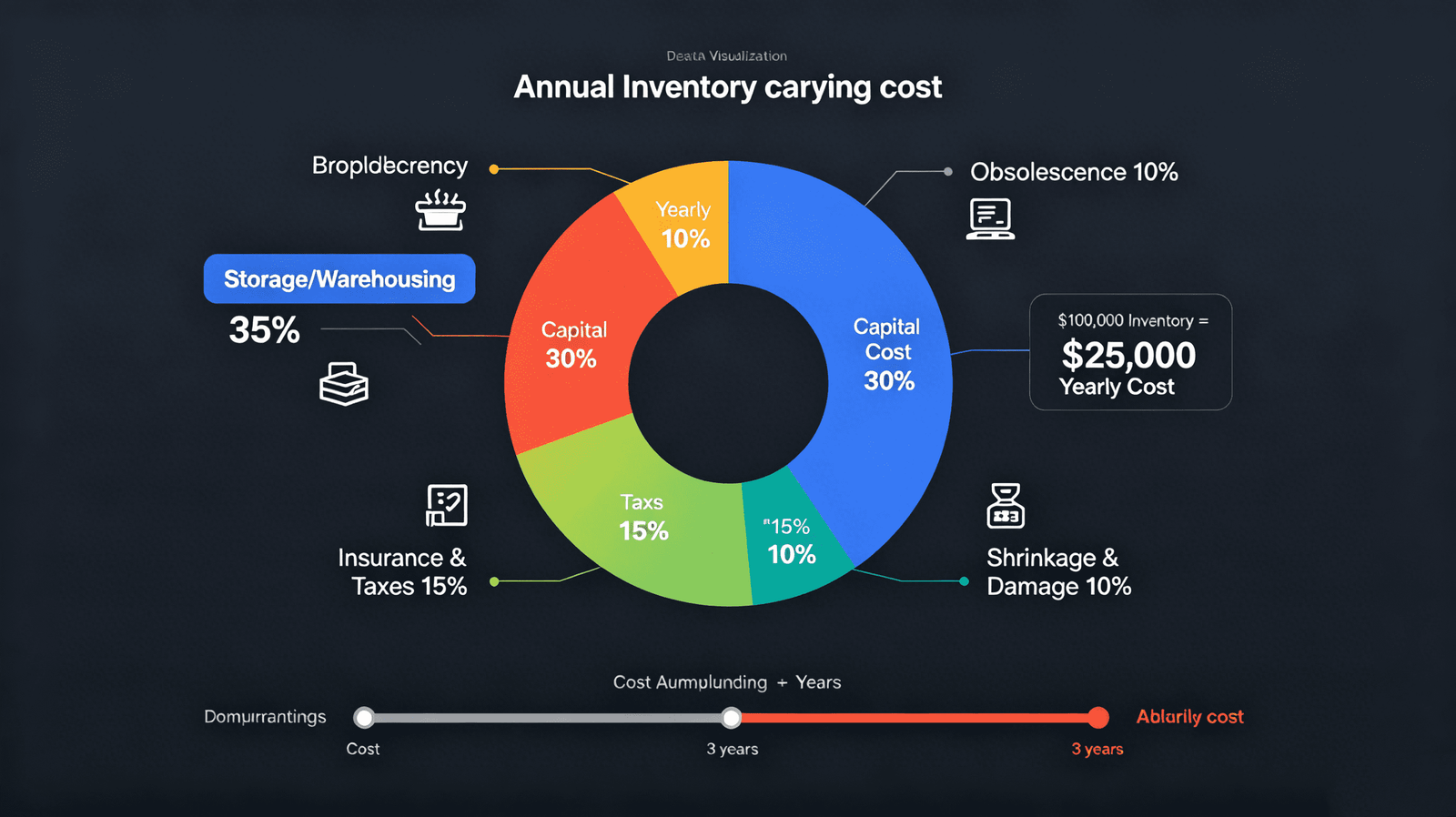
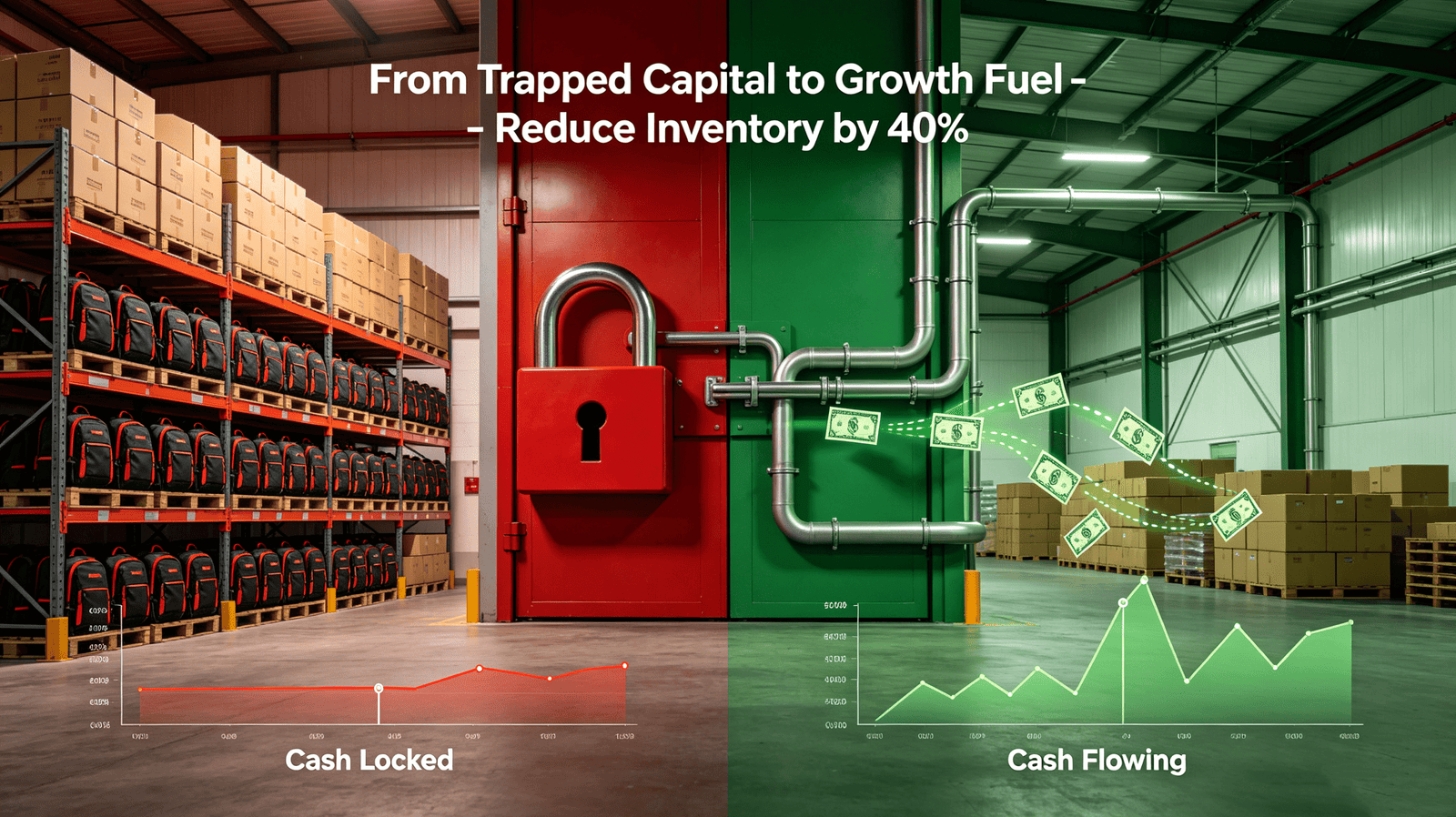
For growing bag brands and retailers, inventory is a necessary evil. It represents not just potential sales, but locked-up capital—cash that could fuel marketing, new hires, or product development. In today's climate, a bloated inventory isn't just inefficient; it's a strategic risk that can cripple your cash flow and growth.The average inventory carrying cost (storage, insurance, obsolescence) is estimated at 20-30% of the inventory's value annually. For a brand with 100,000instagnantstock,that’s20,000-$30,000 vanishing from your bottom line each year. The goal isn't zero inventory, but intelligentinventory. This guide outlines six actionable, cross-functional strategies to reduce your inventory capital by 40%, turning your supply chain from a cash sink into a cash-flow engine.
Strategy 1: Digital Tools for Precision Management
Move beyond spreadsheets and guesswork. The right technology stack is your foundation for visibility and control.
- ERP/Inventory Management System: Implement a system tailored for the complexity of fashion/accessories. Look for features that handle multiple SKUs, variations (color, size), and custom components. This provides a single source of truth for stock levels across all channels.
- Barcode/RFID Scanning: Automate data entry. Every receipt, pick, and sale should update inventory counts in real time, pushing accuracy above 98%. This eliminates costly "ghost inventory" and stockouts.
- Actionable Dashboards: Use the system’s analytics to identify slow-movers, calculate optimal reorder points, and forecast demand. Visibility is the first step to optimization.
Strategy 2: Demand-Driven Forecasting: Stop Guessing, Start Predicting
Your production plan should be a hypothesis, tested by data, not a hopeful gamble.
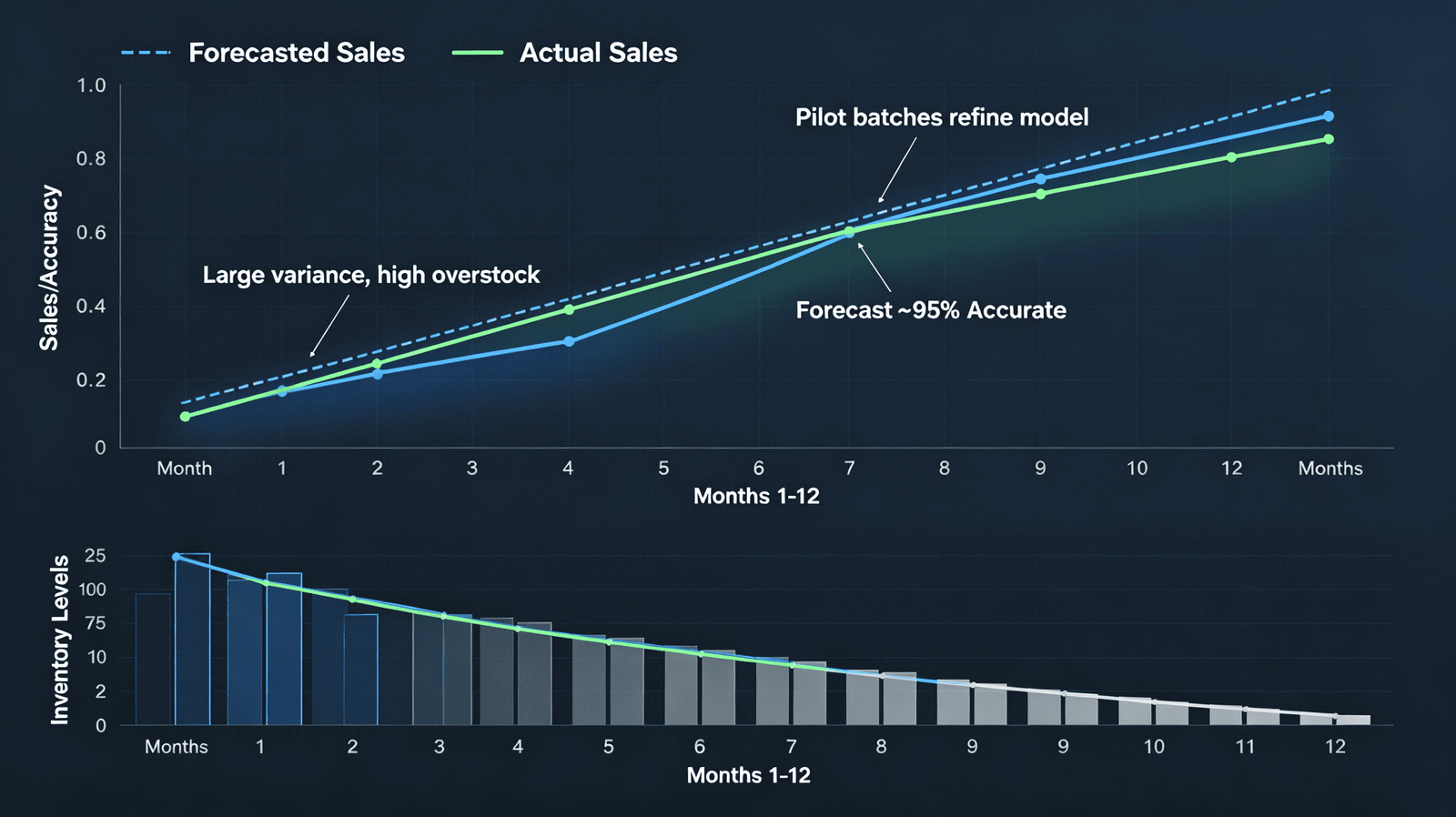
- Data-Informed Planning: Base forecasts on a blend of historical sales, seasonality, marketing calendars, and tangible market trends—not just last year's numbers plus 10%. For new products, start with a conservative pilot batch to gather real-market data before committing to volume.
The Monthly Forecast Review: This is non-negotiable. Each month, compare forecast to actuals. Analyze the "why" behind variances (Was it the weather? A competitor's launch? Poor sell-through on a specific color?) and use these insights to refine your next forecast, creating a virtuous cycle of increasing accuracy.
Strategy 3: Agile Procurement & Smart Categorization
Treat every purchase order as a cash commitment. Optimize the timing and terms.
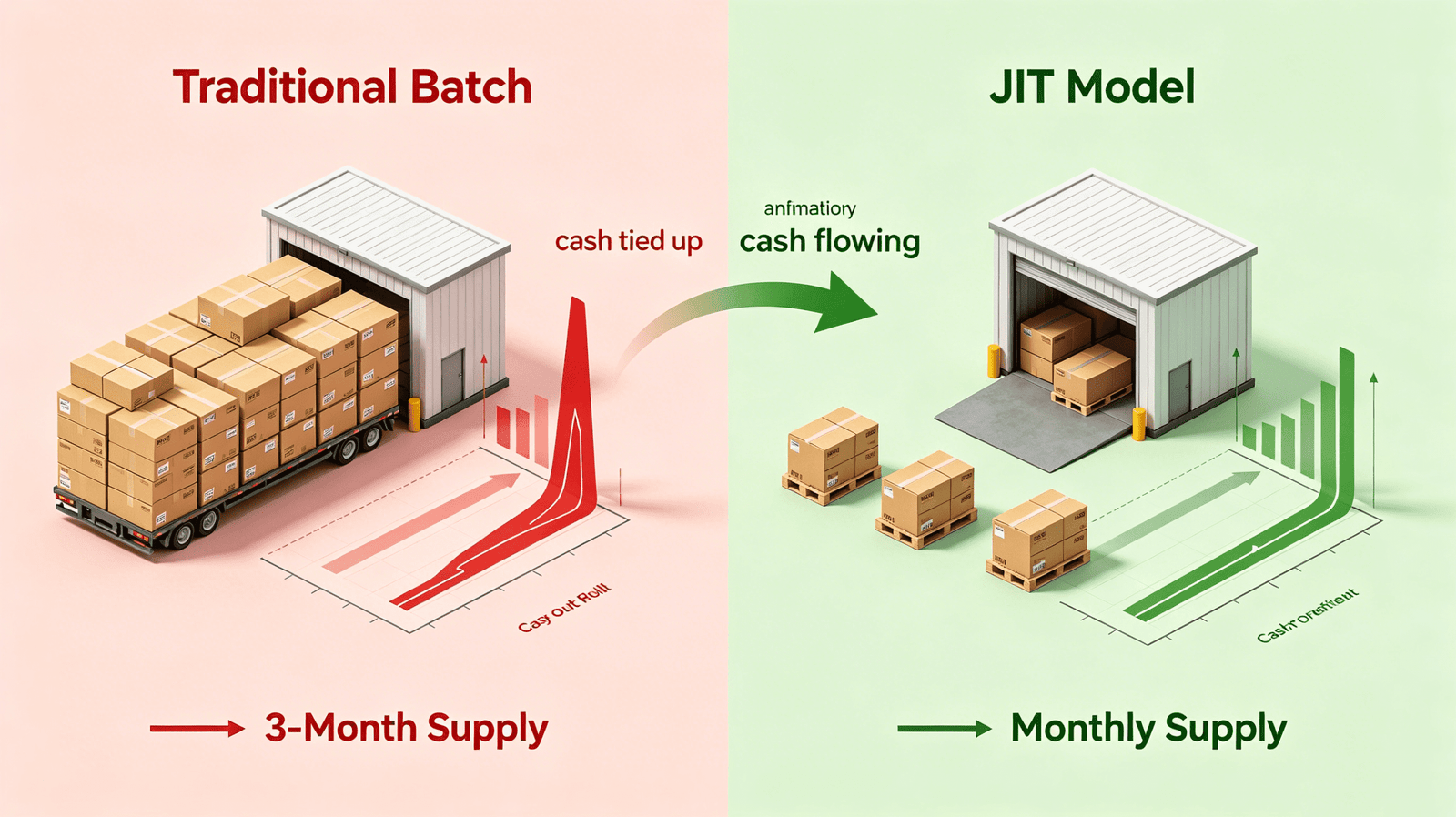
JIT-Inspired Purchasing: Work with suppliers who can support leaner, more frequent deliveries. Instead of buying 3 months of webbing upfront, order 1 month's supply with reliable, shorter lead times. This requires a trustworthy, communicative partner.
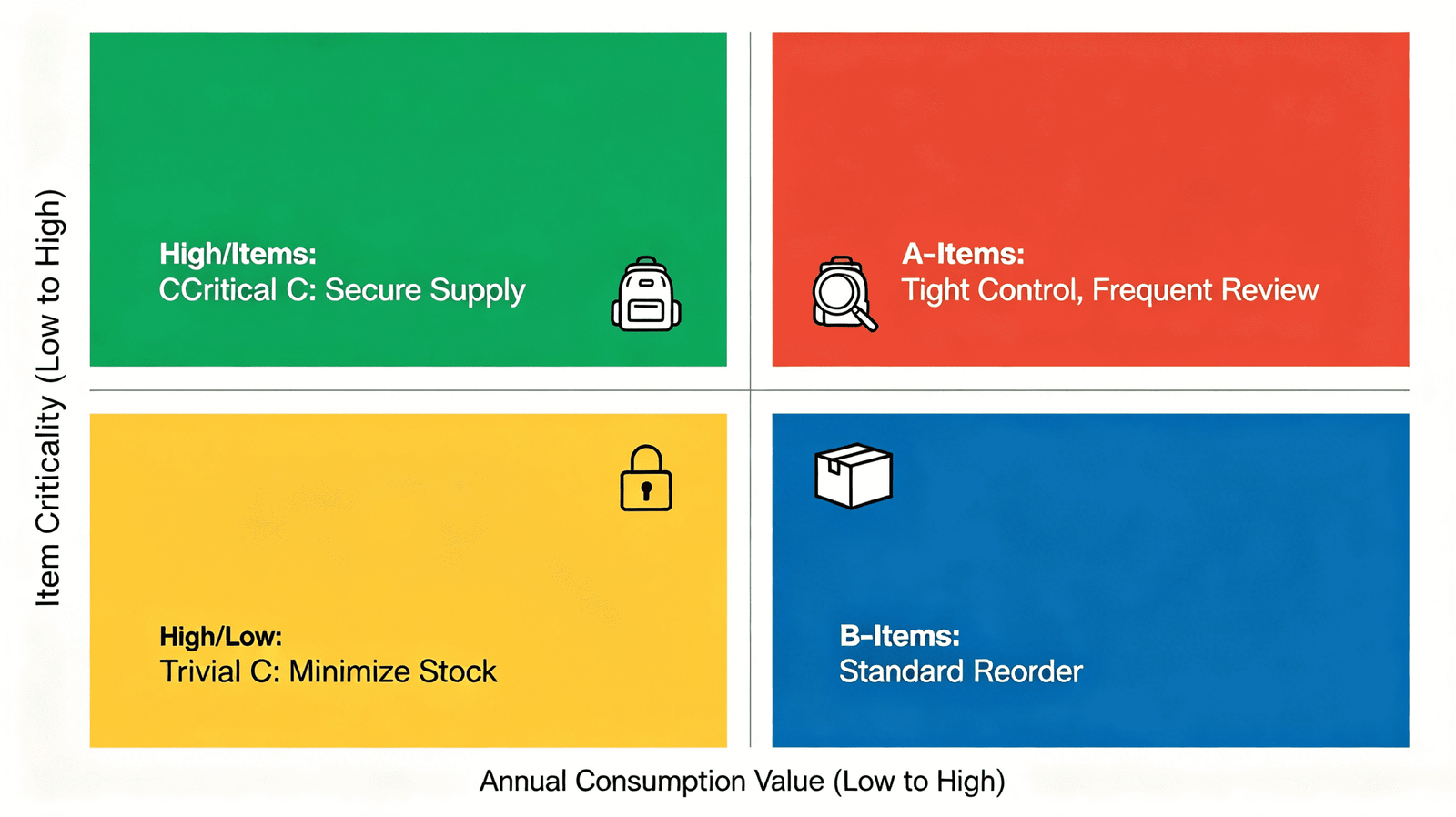
- A-Items (Top 20%): Your best-selling bags or most critical, expensive materials. Manage these with precision, frequent reviews, and high service levels.
- B-Items (Middle 60%): Steady sellers. Use standard reorder points.
- C-Items (Bottom 20%): Low-cost, high-availability items (e.g., standard polybags, common thread). Keep minimal stock and reorder in bulk infrequently.
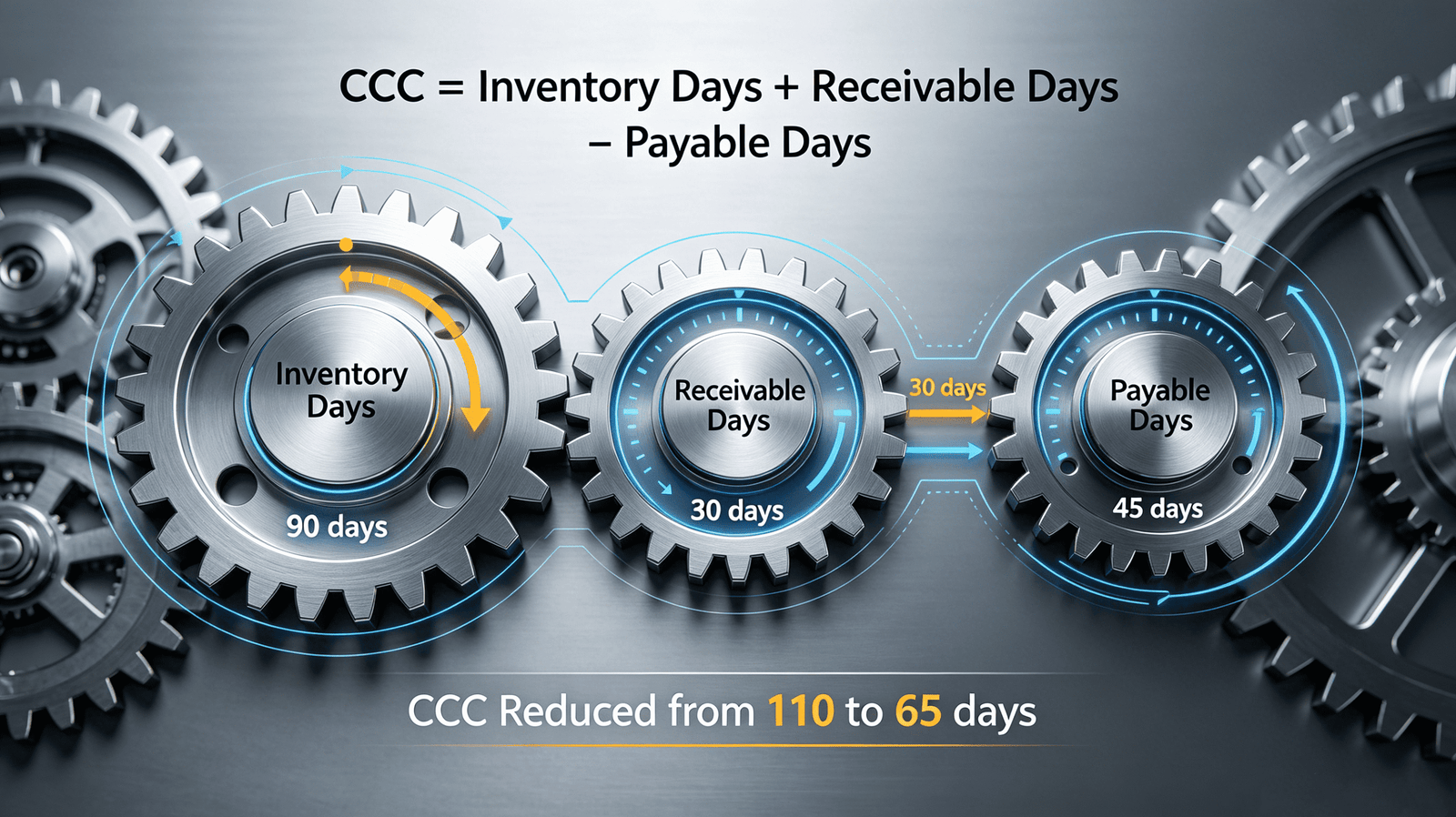
- Supplier Partnership: Negotiate favorable terms with core suppliers. Extended payment terms (Net 60 vs. Net 30) or volume-based discounts on smaller, frequent orders can dramatically improve your cash conversion cycle.
Strategy 4: Dynamic Monitoring & Proactive Liquidation
A static inventory is a dying inventory. You must actively manage it.
- Automated Replenishment Triggers: Set dynamic safety stock levels in your system. When stock dips below this level—which should account for both lead time and demand variability—an automatic PO is generated or an alert is sent. This prevents both stockouts and over-ordering.
- Ruthless Clearance of Dead Stock: Identify slow-movers (SKUs with 0 sales in 60-90 days) and create a liquidation playbook: flash sales, bundles with bestsellers, or donations for a tax write-off. The goal is to convert dead stock into cash, however reduced, and free up warehouse space and mental bandwidth.
Strategy 5: Supply Chain & Production Synchronization
This is where the manufacturing partnership is critical. Your production schedule should flex with demand, not fight it.
- Rolling Production Schedules: Instead of placing one massive, quarterly production order, work with your manufacturer (like OSAMIC) on a small-batch, high-frequency production model. This "make-to-demand" approach aligns output closely with recent sales velocity.
- Geographical Inventory Pooling: If you sell on multiple continents, consider a central warehouse + regional fulfillment model. Stock bestsellers in regional hubs to shorten delivery times, but hold the majority of your inventory in a central location that can feed all, reducing the total amount of safety stock needed globally.
Strategy 6: Sales Innovation to De-risk Inventory
The best way to reduce inventory risk is to sell it before you make it.
- Strategic Pre-orders: For new collections or custom items, use pre-orders to validate demand and fund production. This turns inventory from a balance sheet liability into a customer-funded asset. It's market research that pays for itself.
- Channel Diversification: Don't put all your eggs in one basket. A healthy mix of DTC, wholesale, marketplaces, and pop-ups diversifies your demand stream and can help move specific SKUs that are slow in one channel but desired in another.
The OSAMIC Advantage: Manufacturing for Cash Flow Health
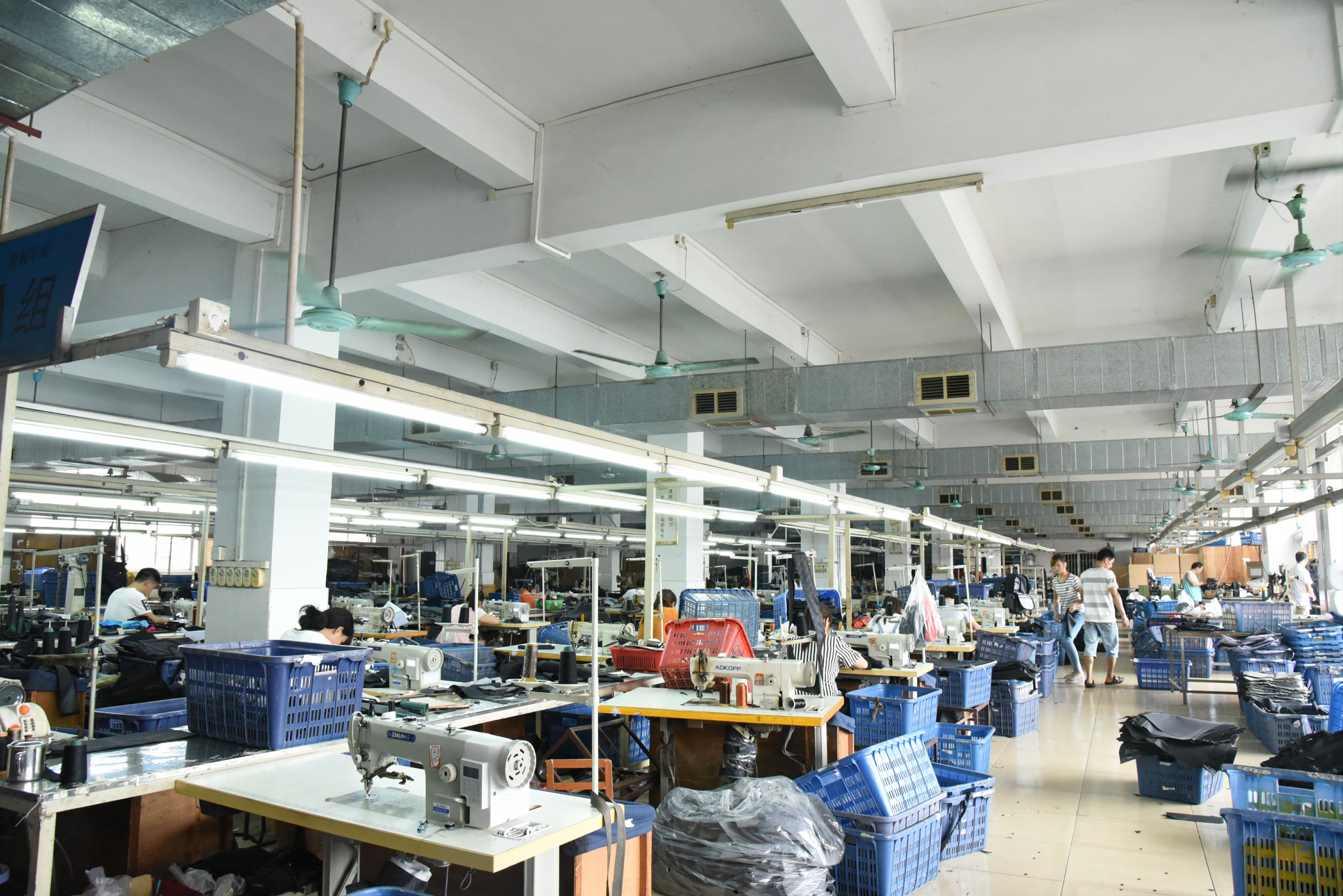
At OSAMIC, we build these principles into our partnership model. We enable healthy cash flow by:
Your Next Step: The 40% Reduction Audit
A 40% reduction in inventory capital is achievable, but it requires a systematic audit and action plan.Start with these questions:
- What is your current inventory turnover ratio? (Target: 4-6x annually for fashion accessories).
- What percentage of your stock has had zero sales in the last 90 days?
- Do you have an ABC classification for your products and materials?
Contact OSAMIC for a free, confidential inventory health assessment. Let's analyze your current pipeline and build a tailored plan to unlock your trapped cash.