One Supplier, All Categories: How to Reduce Bag Procurement Management Overhead
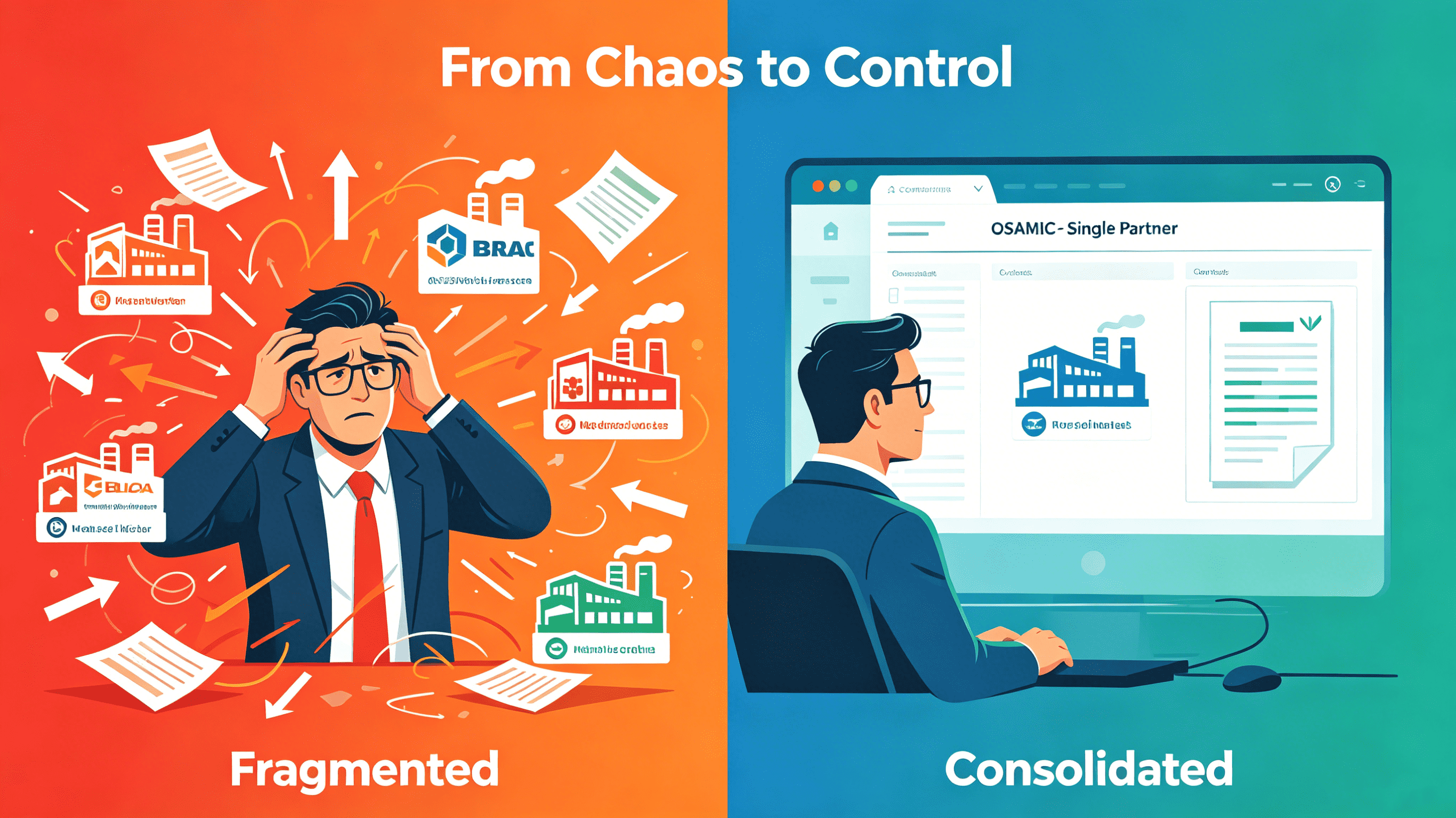
Meta Description: Juggling multiple bag suppliers? OSAMIC's single-source solution cuts vendor management time by 50% while ensuring consistent quality across backpacks, luggage, and accessories.
Introduction: The Hidden Cost of Vendor Proliferation
For growing brands, the procurement journey often follows a predictable path. You start with one factory for backpacks. As your line expands, you add a luggage manufacturer. Then a separate supplier for travel accessories. Before long, you're managing a portfolio of vendors, each with its own contact person, quality standards, lead times, and payment terms.This fragmentation isn't just inconvenient—it's expensive. The administrative overhead of coordinating multiple suppliers, reconciling inconsistent quality, and troubleshooting communication breakdowns silently erodes your margins and distracts your team from strategic work.The alternative is compelling: consolidate your production under a single, multi-category manufacturing partner. This guide explores how a "one supplier, all categories" approach can streamline your operations, improve quality consistency, and reduce procurement management overhead by 50% or more.
The Three Pain Points of Multi-Supplier Sourcing
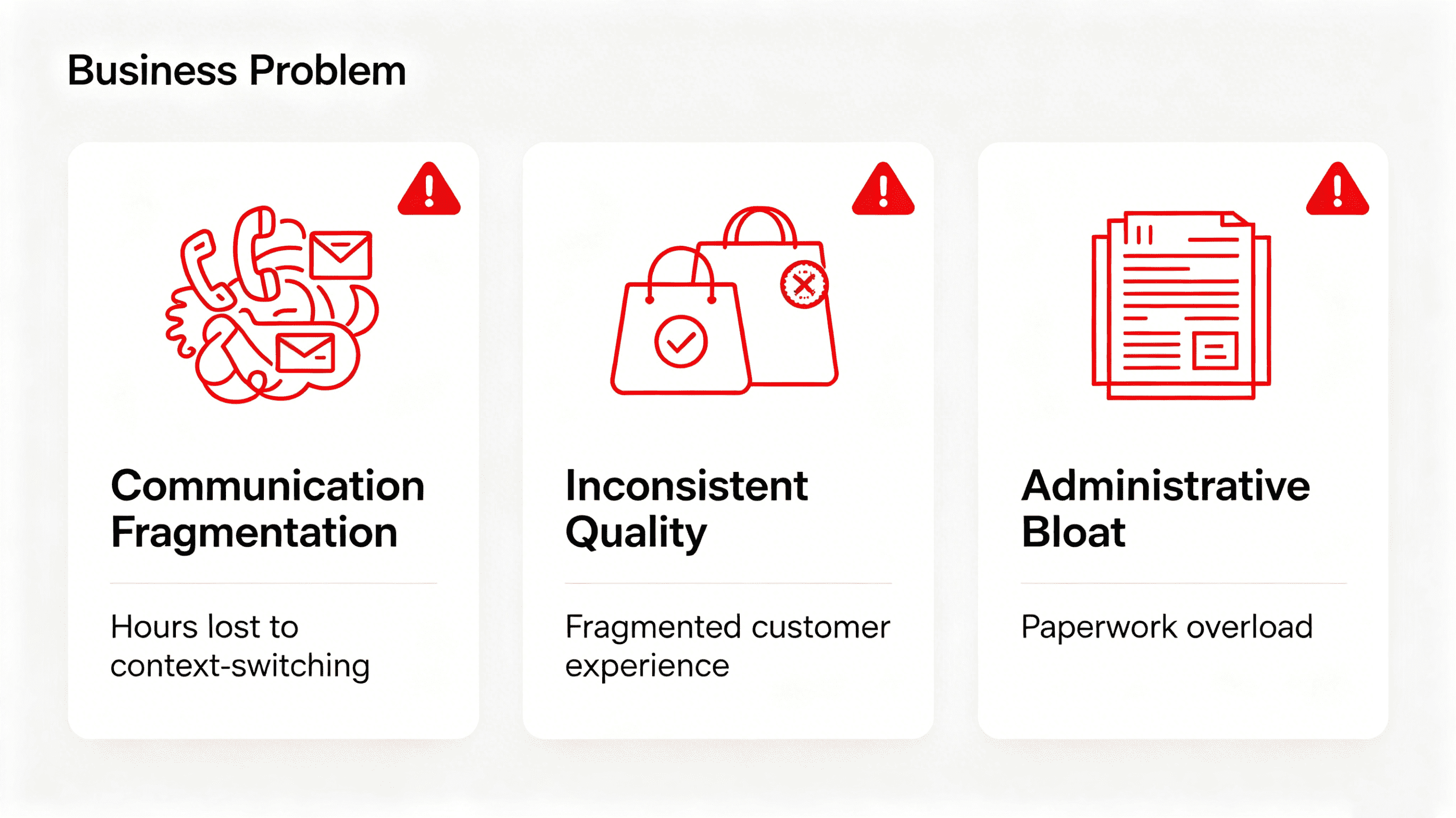
1. Communication Fragmentation
Each supplier operates with its own workflow, response time, and point of contact. A simple change order requires multiple emails, calls, and confirmations across different vendors. Misunderstandings multiply. Delays cascade.The Cost: Hours of weekly coordination time lost to context-switching and follow-ups.
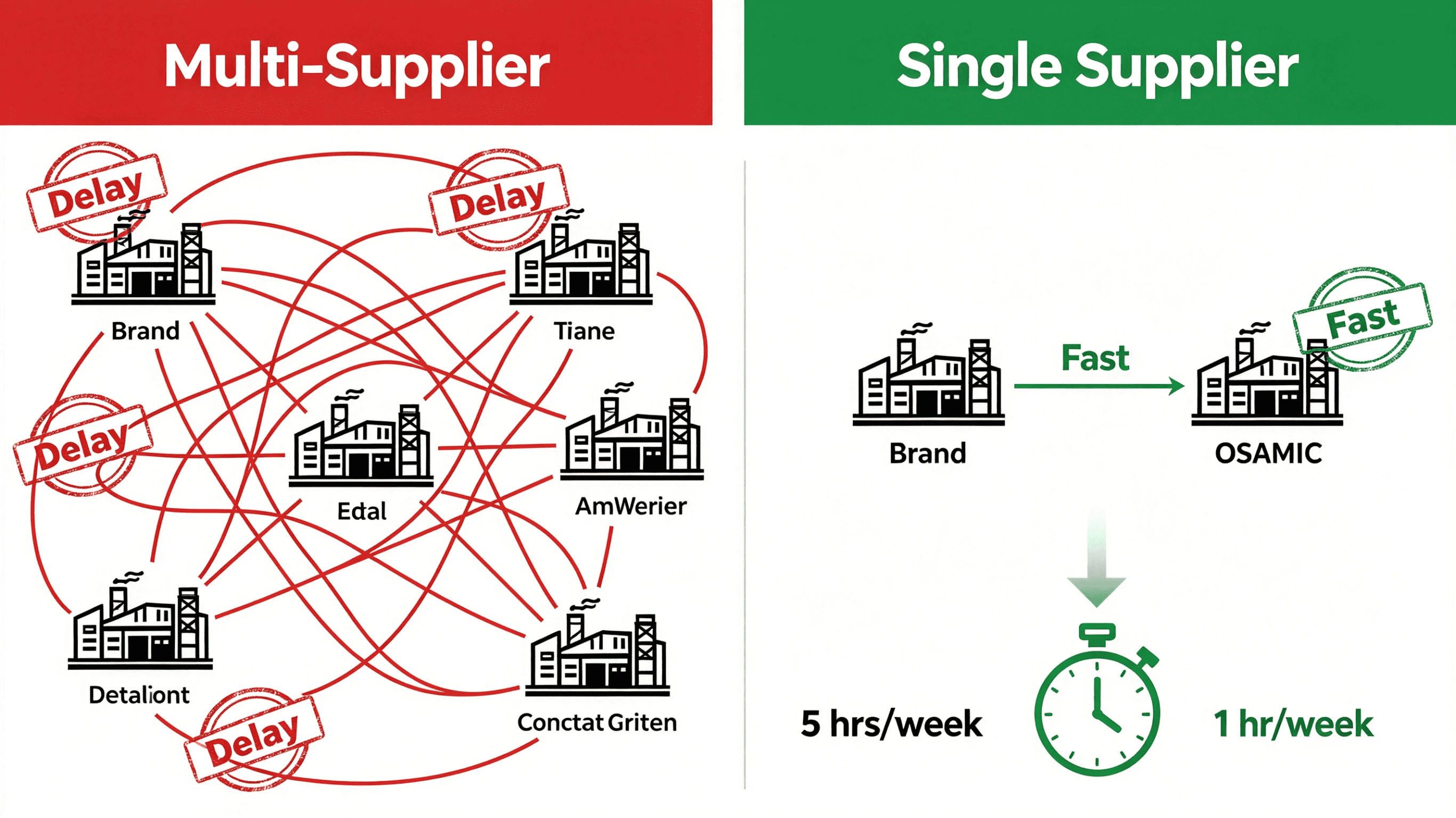
2. Inconsistent Quality Standards
A backpack from Factory A may meet your specifications, but a duffel bag from Factory B—built to their own interpretation of "quality"—may fall short. Variations in material sourcing, stitching tolerance, and hardware durability create a fragmented customer experience.The Cost: Increased return rates, brand reputation damage, and the labor of managing multiple quality disputes.
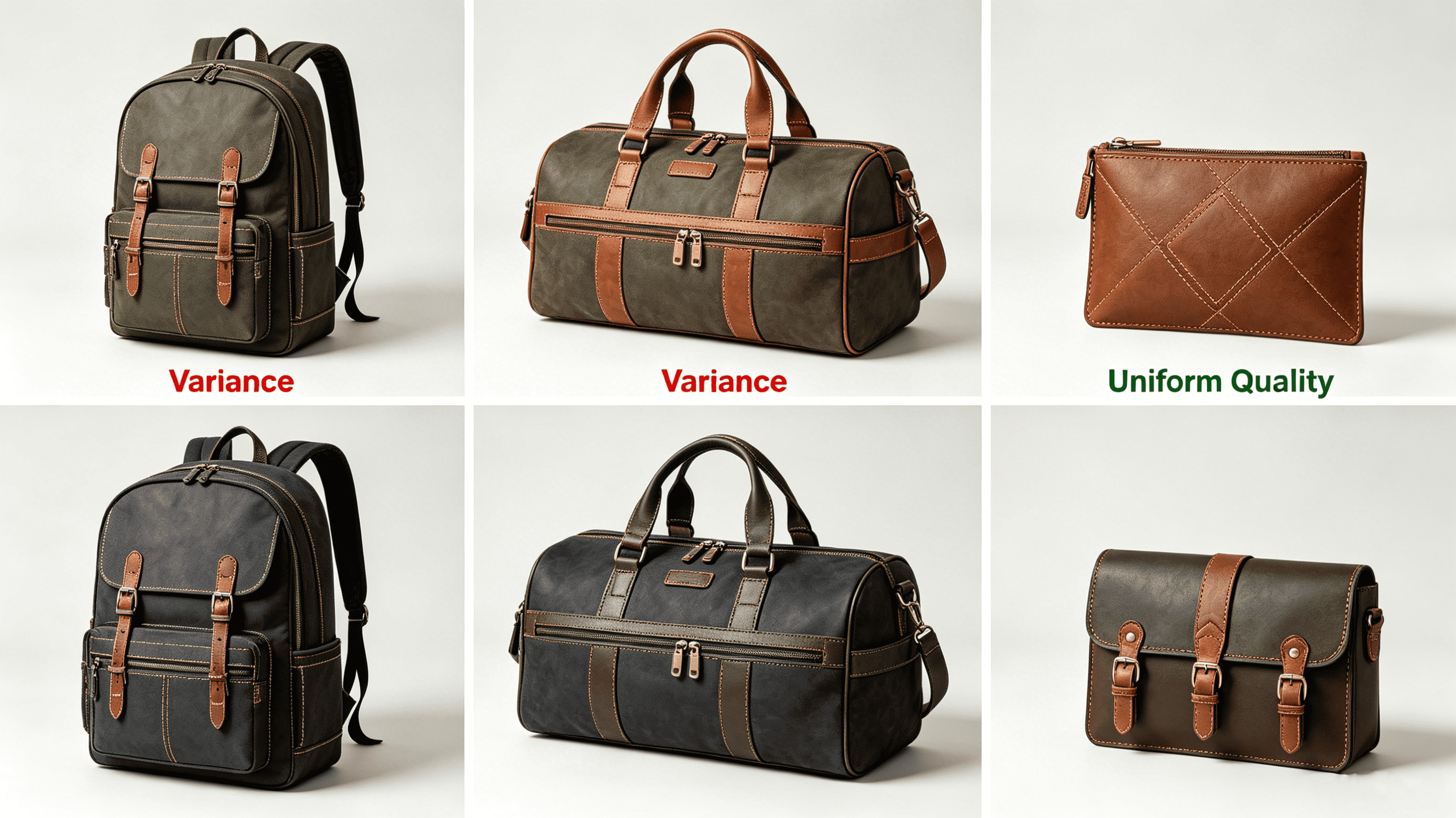
3. Administrative Bloat
Multiple suppliers mean multiple contracts, purchase orders, invoices, and delivery schedules. Your procurement team spends more time on paperwork than on strategic sourcing.The Cost: Higher personnel overhead and reduced capacity for value-added activities like supplier development or cost optimization.
The Single-Source Solution: How Consolidation Drives Efficiency
Transitioning to a single, multi-category supplier transforms your procurement operations.
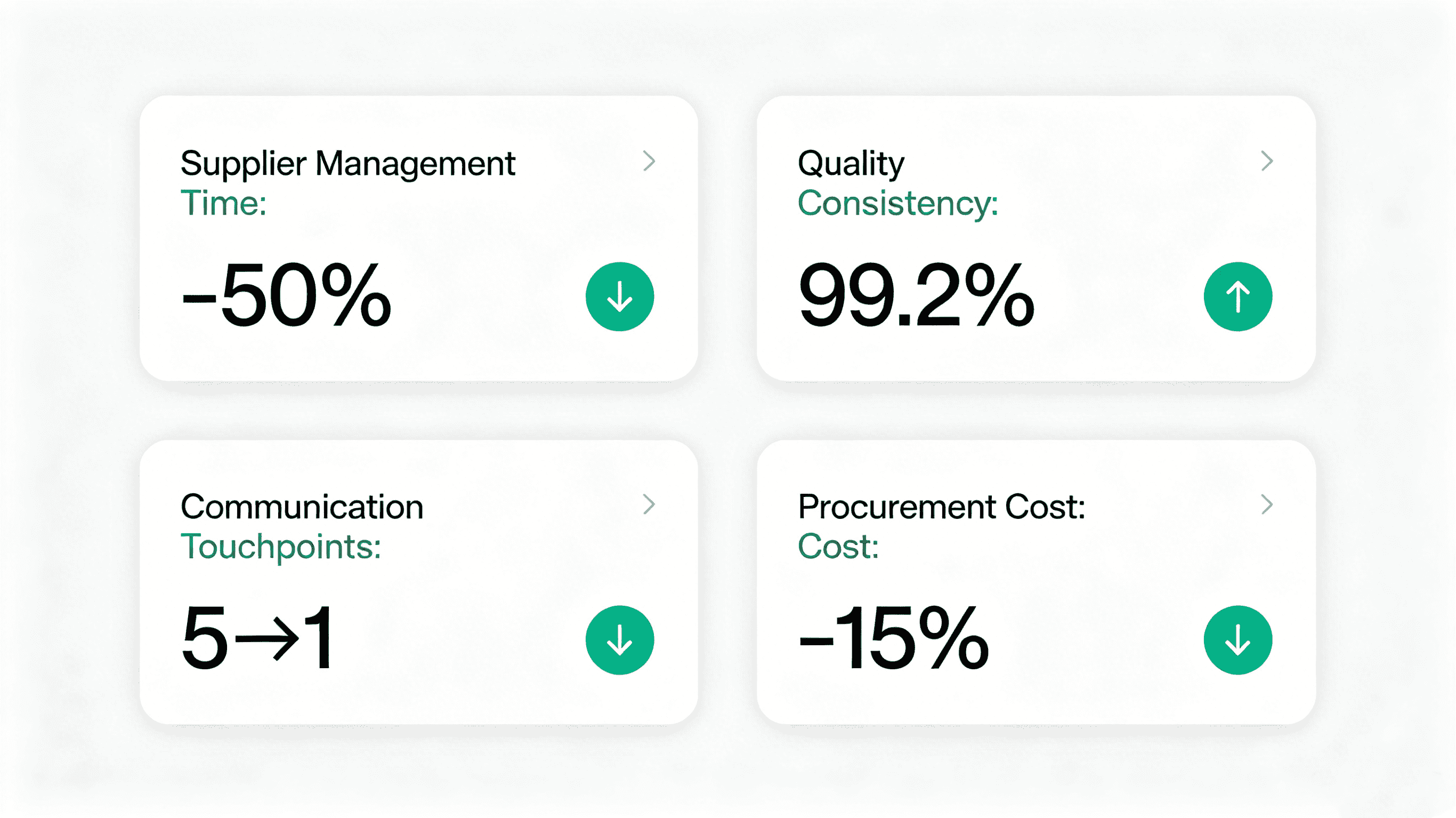
Unified Communication
One account manager. One escalation path. One system for order tracking and updates. Changes are communicated once and executed across all product lines.Result: 50% or more reduction in supplier management time and related labor costs.
Consistent Quality Across Categories
A single manufacturer applies the same quality management system to every product category. The inspection criteria for stitching, material performance, and hardware durability are uniform. Whether you order a backpack, a rolling suitcase, or a accessory pouch, the quality standard is identical.Result: Fewer defects, fewer returns, and a cohesive brand experience for your customers.
Supply Chain Synergy
A full-category manufacturer can coordinate production scheduling across product lines. Raw materials for multiple products can be procured together, leveraging volume for better pricing. Production slots can be optimized to align delivery timelines.Result: Improved lead time reliability and potential cost savings through consolidated purchasing.
Selecting the Right Multi-Category Partner
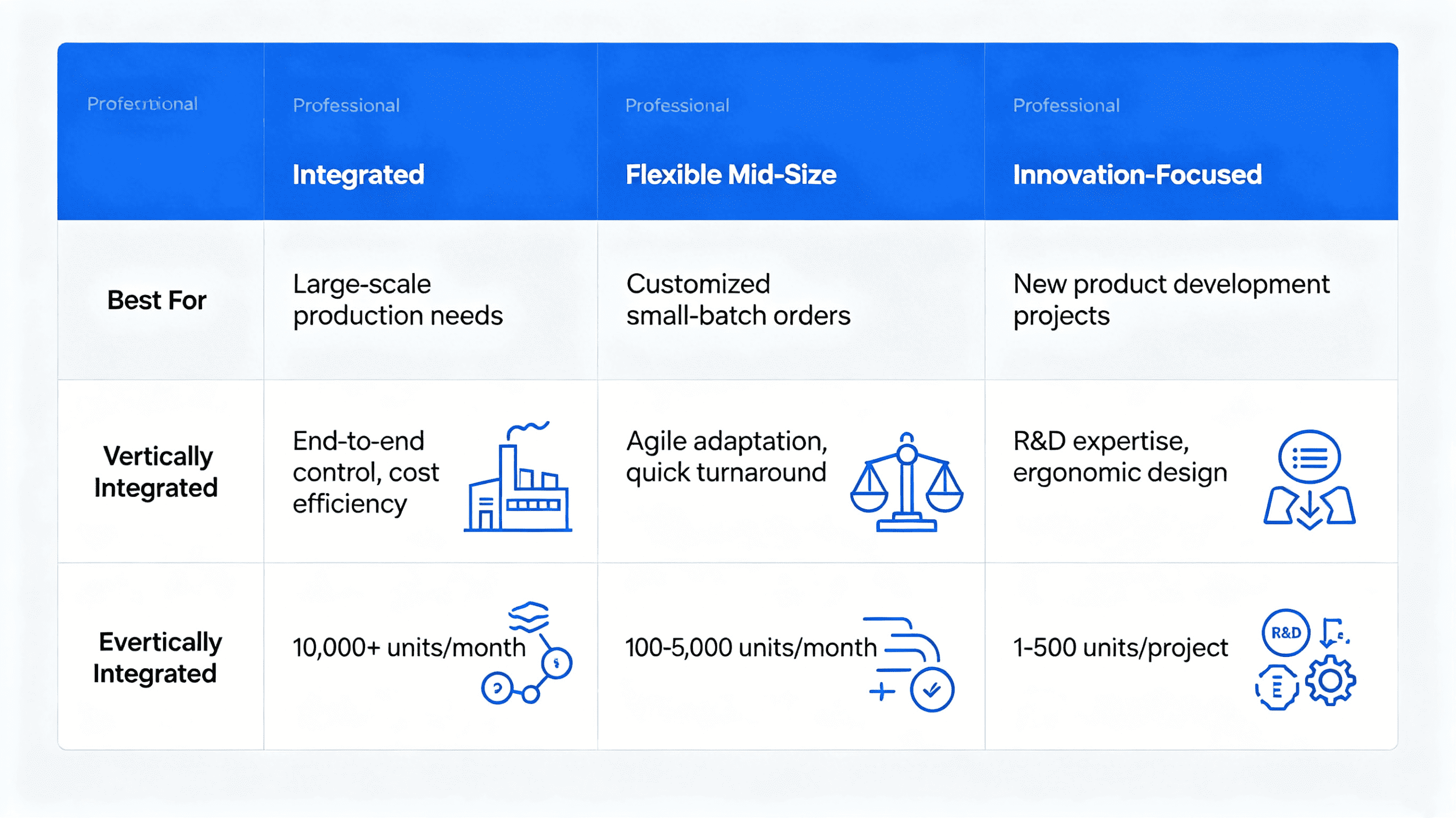
Not all "full-category" suppliers are created equal. Here is a framework for evaluating potential partners based on your specific needs.
| Supplier Profile | Best Suited For | Key Strengths |
|---|
| Vertically Integrated Manufacturer | Large-scale brands with high-volume, multi-category orders | Full supply chain control, strongest economies of scale, risk resilience |
| Flexible Mid-Size Specialist | Emerging brands, custom projects, smaller order quantities | Agile production, fast turnaround, willingness to accommodate unique designs |
| Innovation-Focused Producer | Brands prioritizing function and differentiation | Dedicated R&D teams, ergonomic innovation, quick sampling cycles |
Implementation: Making the Transition Smooth
Consolidation is a strategic move. Executing it well requires careful planning.
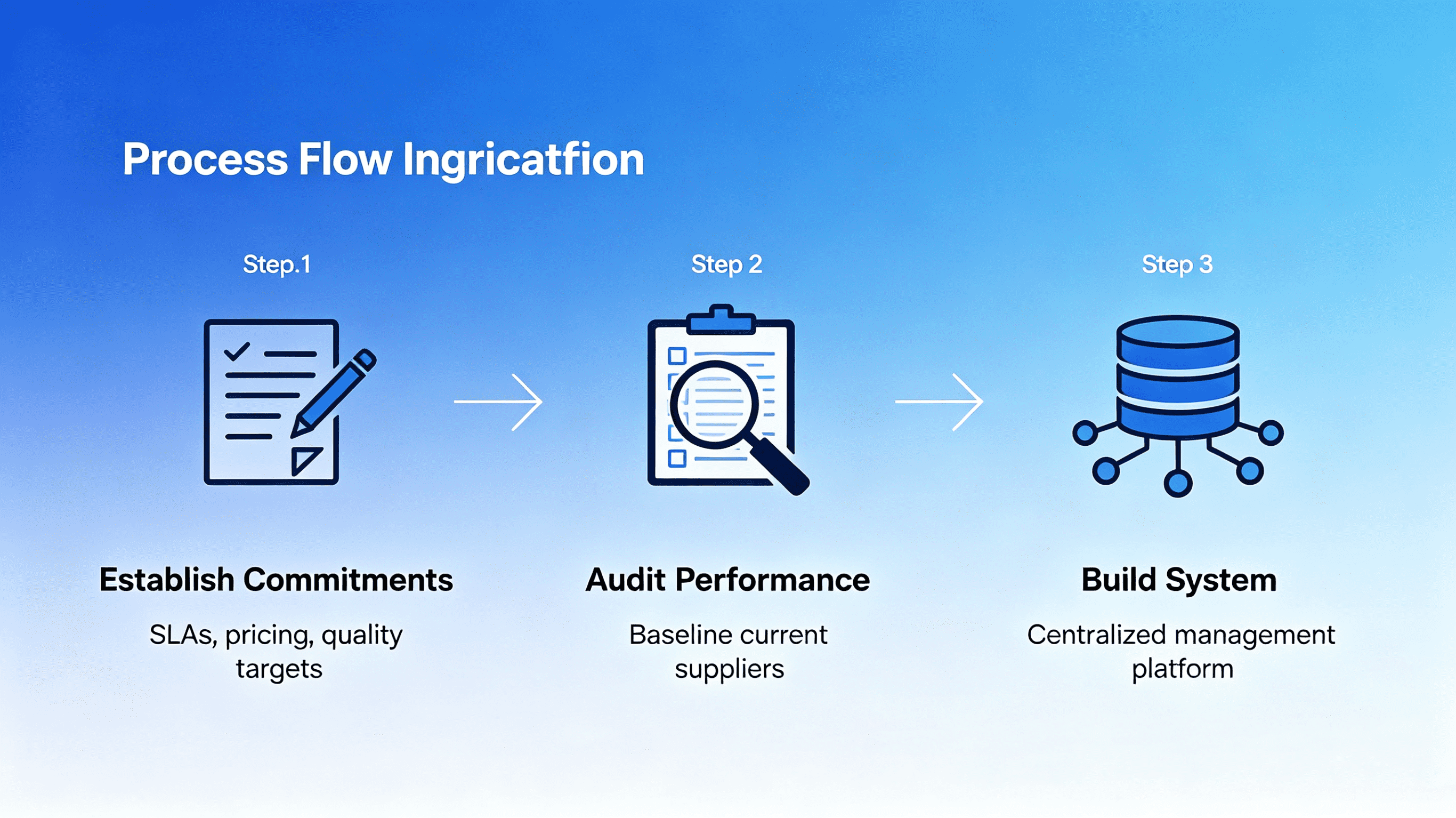
Step 1: Establish Clear Performance Commitments
Before transitioning, formalize expectations in your agreement. Include:
- Annual cost reduction targets
- On-time delivery guarantees (e.g., 95%+)
- Quality acceptance rates (e.g., 99%+)
- Response time SLAs for inquiries and issue resolution
These commitments protect your interests and prevent the loss of bargaining power that can occur with consolidation.
Step 2: Audit Your Current Supplier Performance
Gather objective data on your existing vendors: on-time rates, defect rates, communication responsiveness, and pricing competitiveness. Use this data to create a baseline for evaluating your new single-source partner.
Step 3: Build a Centralized Vendor Management System
Establish a unified system for tracking orders, quality reports, and delivery data across all product categories from your new partner. This digital infrastructure amplifies the efficiency gains of consolidation.
The OSAMIC Advantage: True Multi-Category Capability
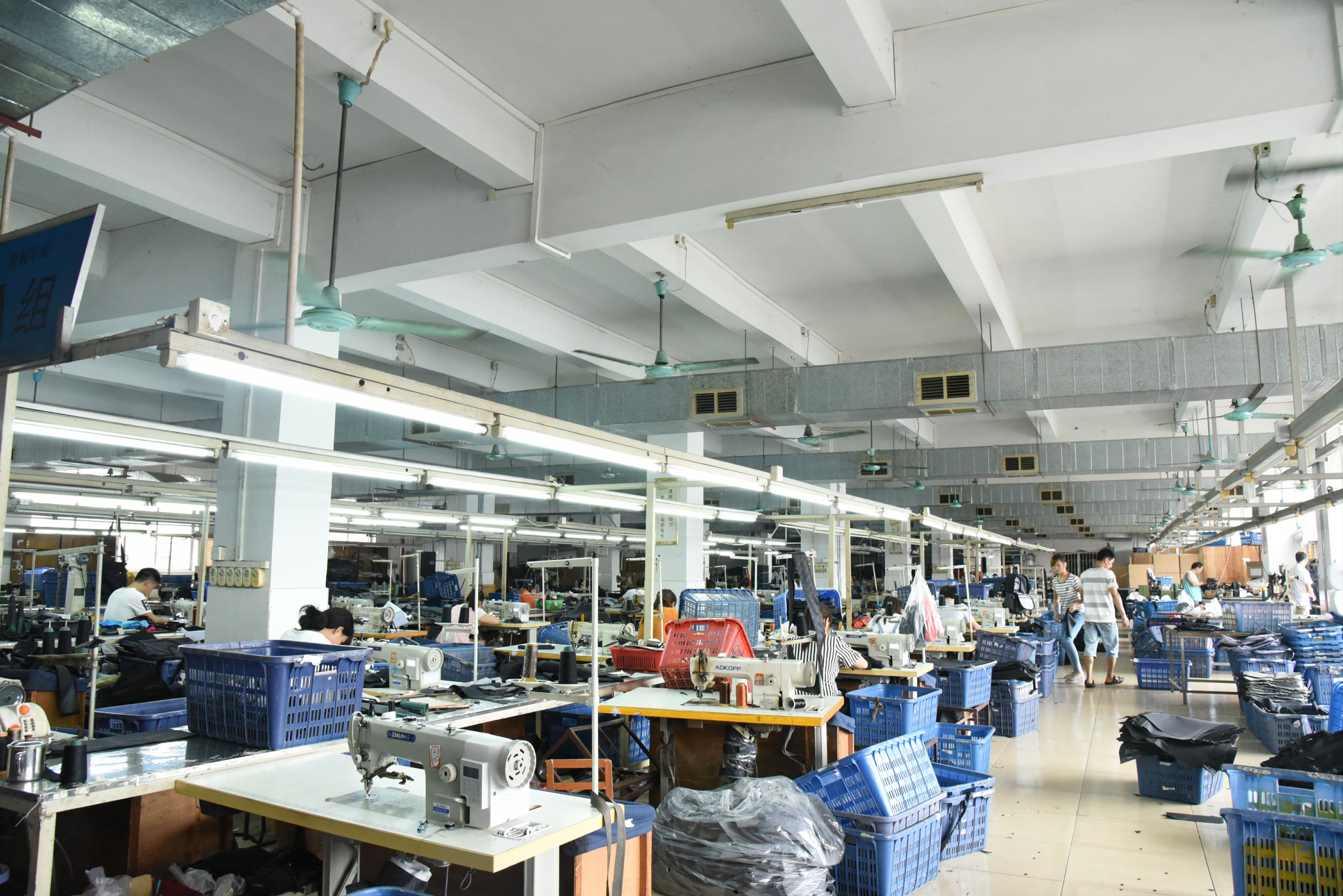
At OSAMIC, we are not a single-product factory. We are a comprehensive bag manufacturing partner with proven capability across:
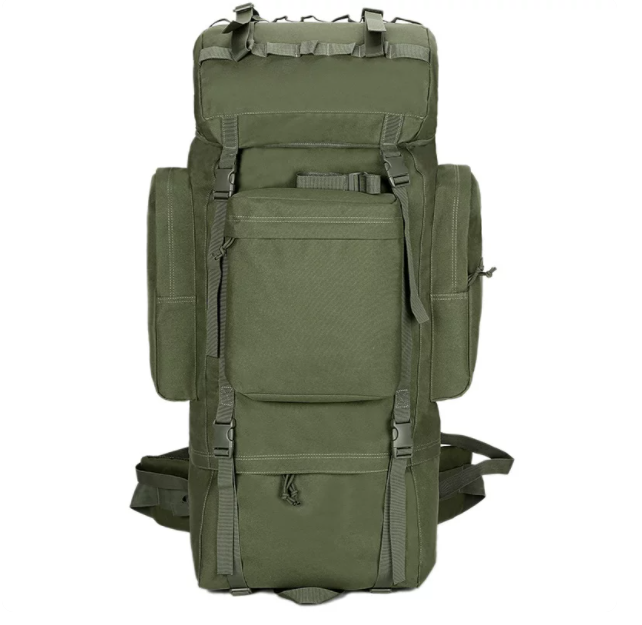
- Backpacks: Commuter, travel, technical, and lifestyle
- Luggage: Carry-on, checked, and specialty cases
- Accessories: Totes, duffels, pouches, and organizational inserts
Our quality management system applies uniformly across every category. Our account management team provides a single point of contact for your entire product line. Our production planning optimizes scheduling across categories to meet your delivery targets.When you partner with OSAMIC, you don't just buy bags. You buy a streamlined, reliable, and cost-efficient procurement operation.
Your Next Step: Simplify Your Supply Chain
Are you managing too many suppliers? Calculate the hidden cost: the hours spent on coordination, the losses from quality inconsistencies, the frustration of fragmented communication.Then imagine a simpler way.Contact OSAMIC for a complimentary Procurement Efficiency Audit. We will review your current supplier landscape and demonstrate how a consolidated partnership can reduce your management overhead while improving product quality and consistency.