Meta Description: Stop guessing what will sell. OSAMIC’s data-driven framework combines sales analytics and market intelligence to optimize your bag mix, reduce dead stock, and boost inventory turns.
Introduction: The Gut Feeling Fallacy
In the fast-paced world of bags and accessories, the stakes for getting your product mix right have never been higher. A single season of misaligned inventory can trap cash, waste storage, and erode customer trust. For too long, procurement and merchandising decisions have been anchored in a dangerous trinity: last year's sales plus 10%, a competitor's hot item, and the founder's instinct.This "gut-feeling" approach is a recipe for two costly outcomes: stockouts of your bestsellers and warehouses full of dead stock. The result isn't just missed revenue; it's a compounded problem of tied-up capital and costly clearance cycles. In today's market, intuition must be augmented with intelligence. This guide outlines how a data-science-driven approach, specifically tailored for the bag industry, can transform your portfolio from a liability into a strategic asset.
The Cost of Guesswork: Three Pain Points of Traditional Buying
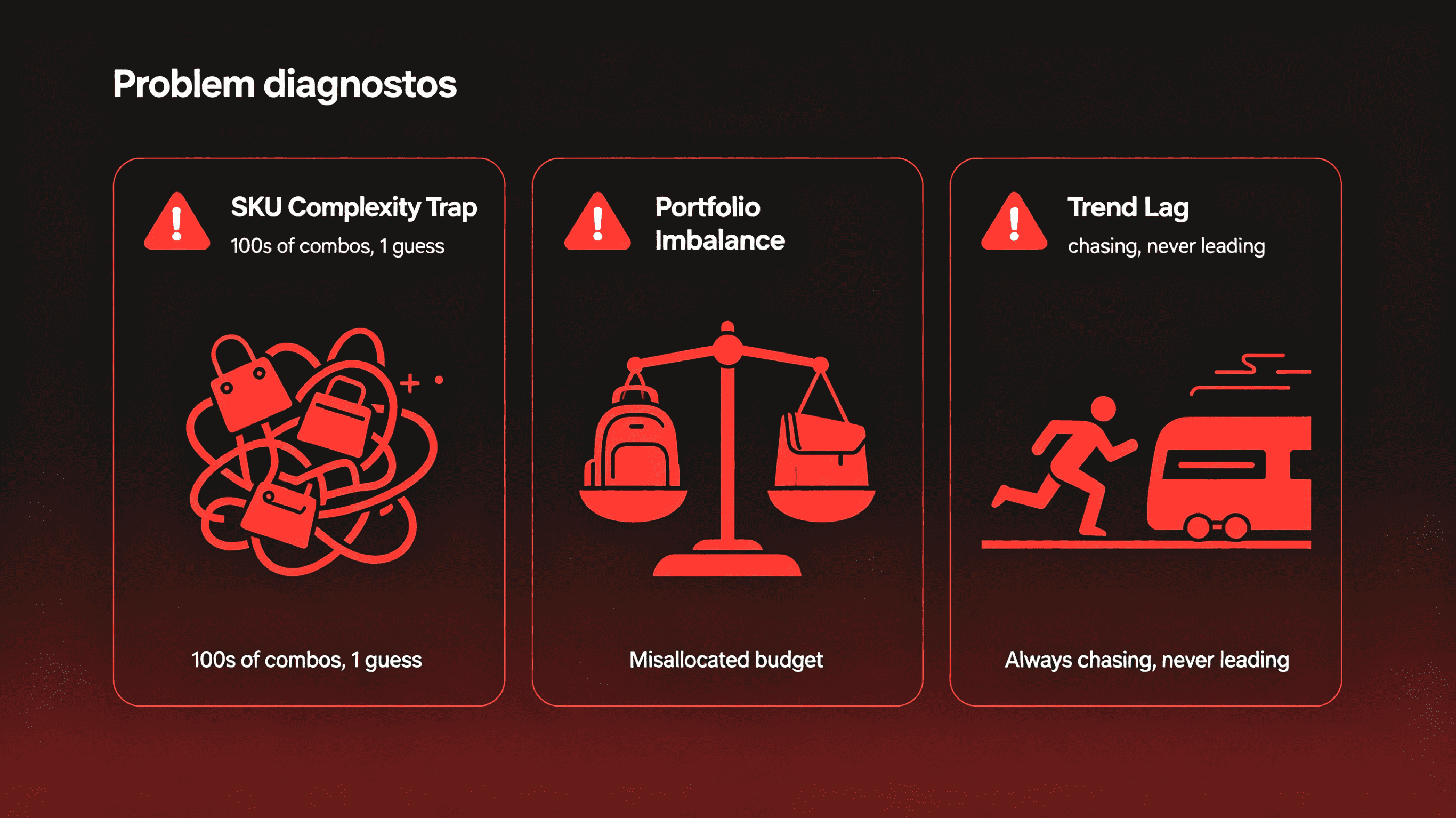
The SKU Complexity Trap: Bags are multidimensional. A single style has variations in color, material, size, and feature sets. Relying on experience alone to forecast demand across hundreds of potential SKU combinations is statistically improbable. The result is predictable: you run out of the black version while the beige one collects dust.
- The Portfolio Imbalance Problem: Without a holistic view, balancing categories (backpacks, totes, travel) and price tiers becomes guesswork. Are crossbody bags trending up in the Midwest? Is demand for premium laptop sleeves surging with remote work? Intuition lacks the granular, regional, and channel-specific insights needed to allocate budget and production capacity effectively.
- The Trend Lag: Bag trends are influenced by travel, fashion, tech, and lifestyle shifts. By the time a trend is visible in your own sales data, the window to capitalize is often closing. Reactive buying, based on what justsold, means you're always chasing the market, never leading it.
The Data-Driven Framework: A Four-Step Process
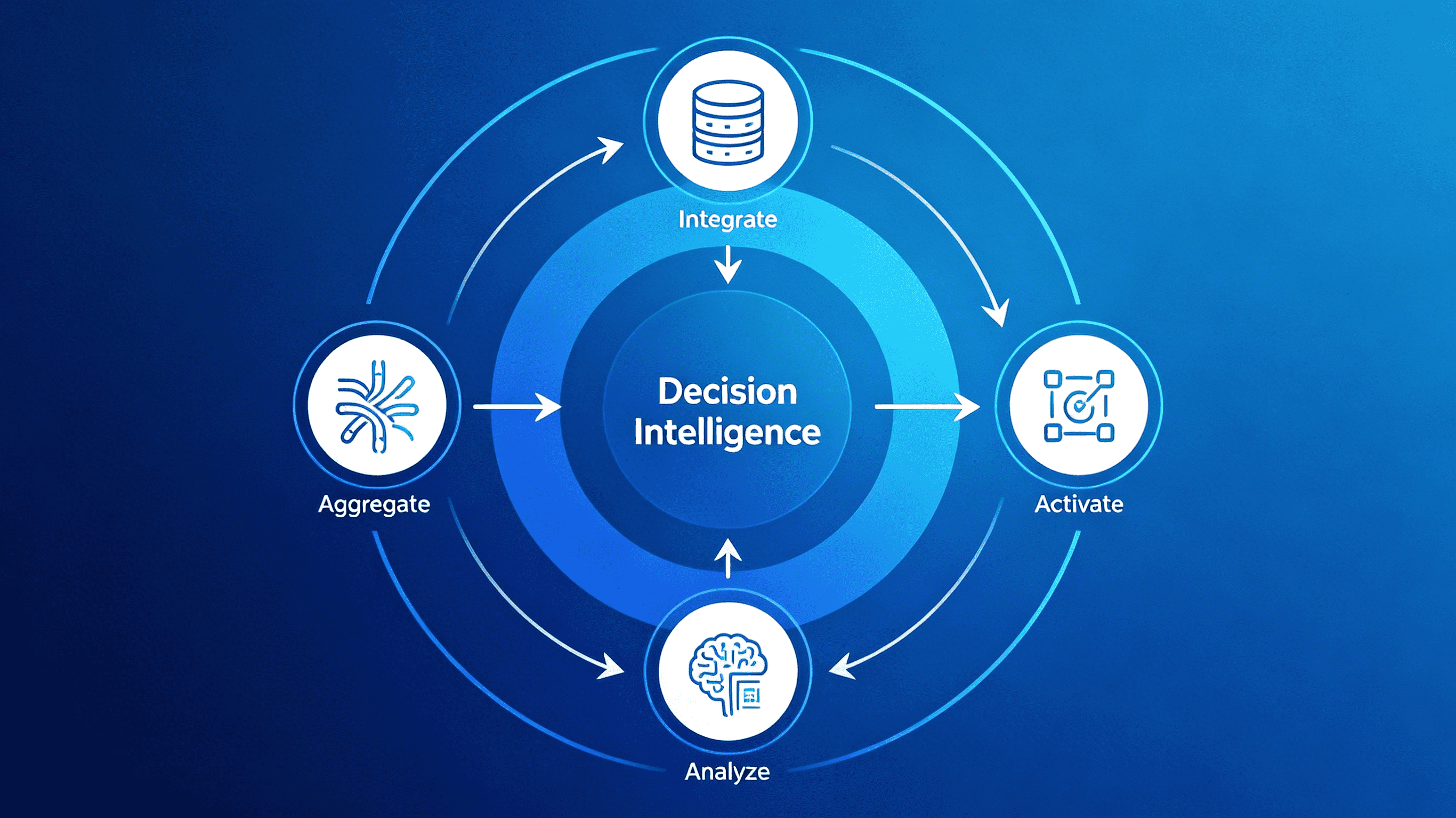
Moving beyond intuition requires a systematic approach to turn data into decisions. Here is a universal framework, adapted for bag manufacturing and retail.
Step 1: Multi-Source Data Aggregation
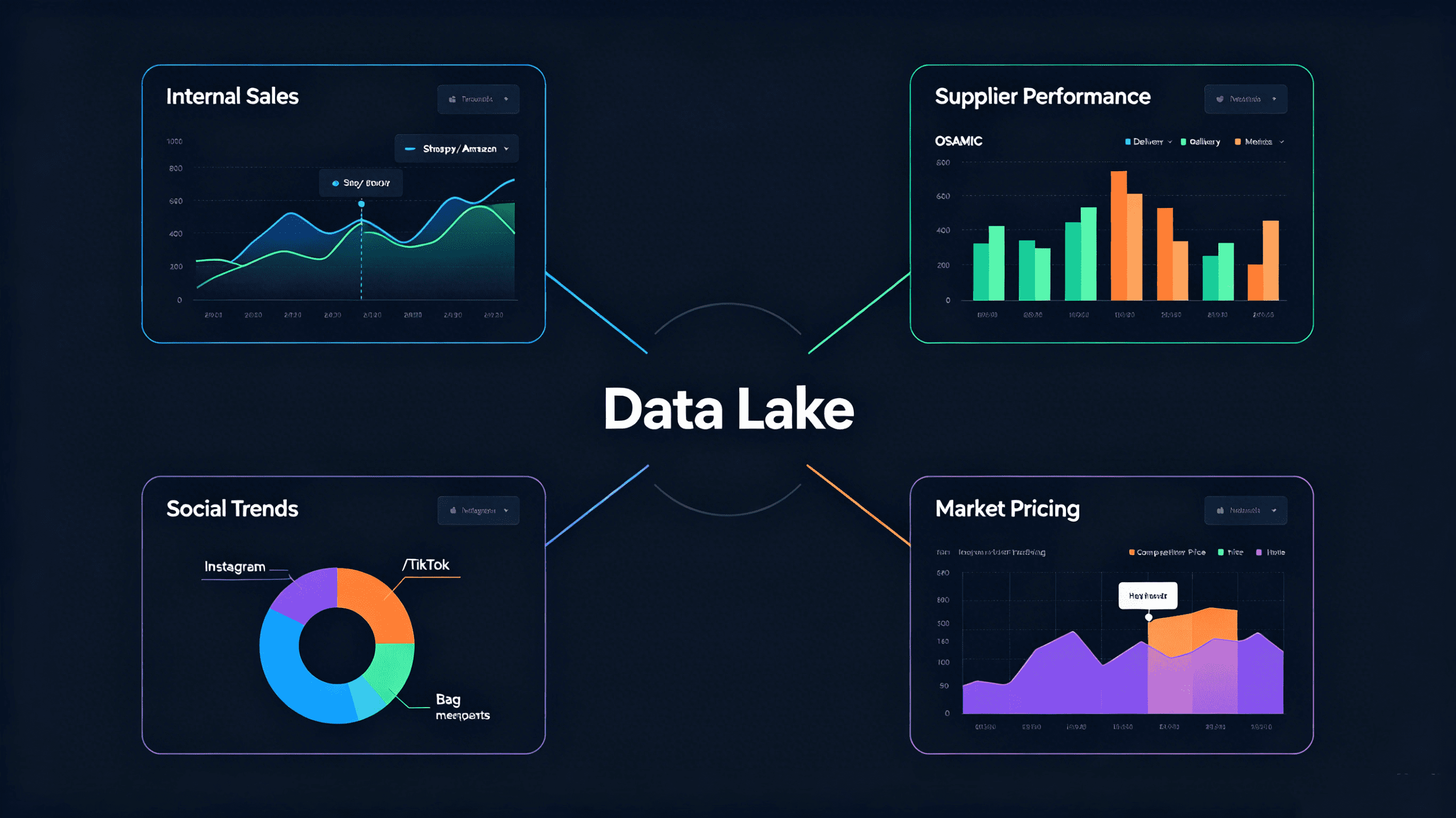
Stop looking at data in silos. Relevant intelligence comes from:
- Internal Sales & Inventory Data: Historical sales, returns rates, and real-time stock levels across all channels (DTC, wholesale, marketplaces).
- Supplier Performance Data: On-time delivery rates, quality audit scores, and cost trends from your manufacturing partners (like OSAMIC).
- External Market Signals: Search trend data (Google Trends), social sentiment analysis, competitor pricing intelligence, and broader fashion/consumer trend reports.
Step 2: Unified Data Integration
Raw data is noise. Value comes from integration. This means building a single source of truth—a data platform where your sales from Shopify talk to your inventory in a 3PL warehouse, which is measured against your supplier's lead time and the current cost of recycled nylon. This breaks down "data silos" and provides a coherent picture.
Step 3: Multidimensional Analysis with AI & BI
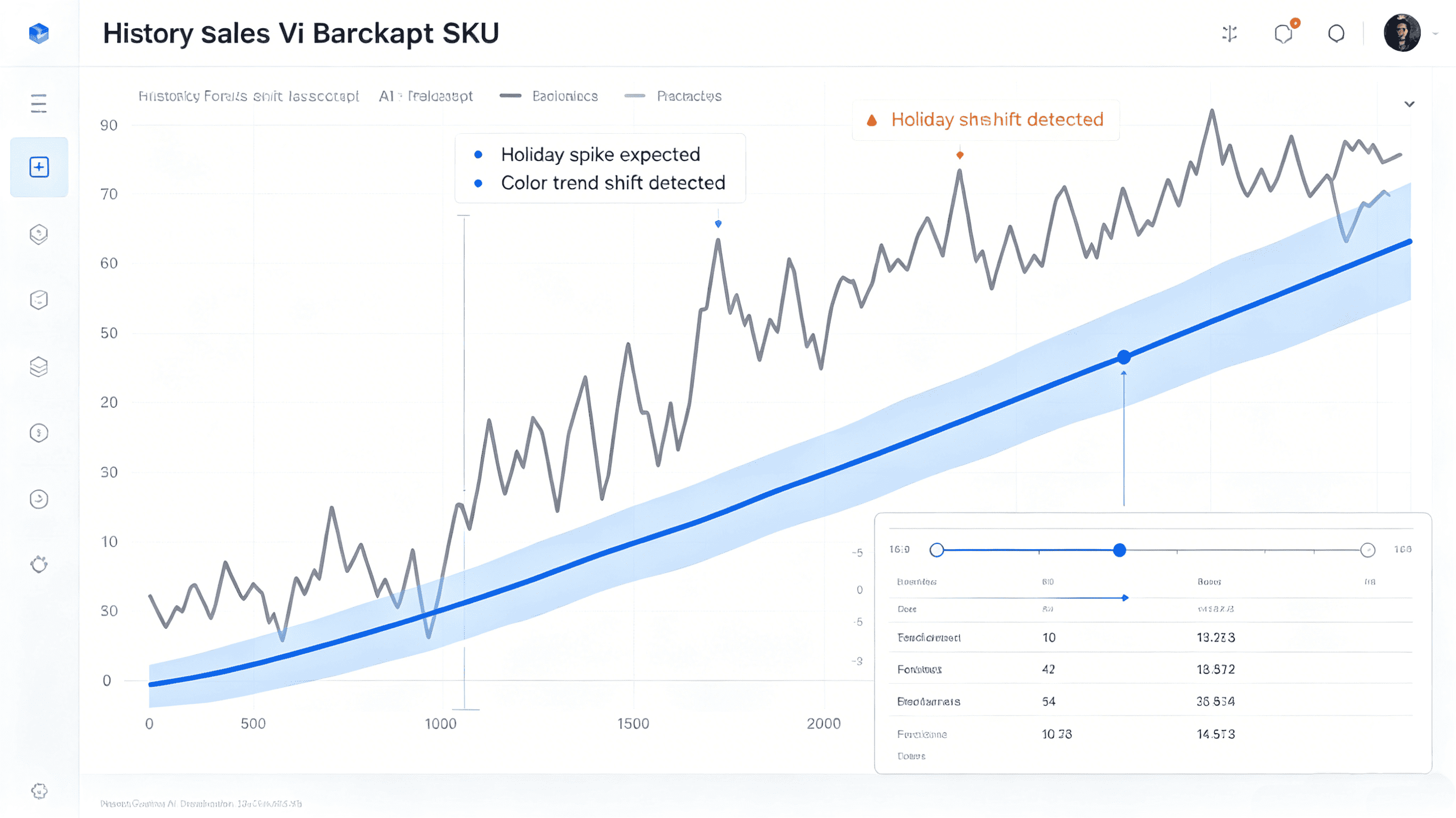
This is where science replaces guesswork. Advanced tools allow for:
- Predictive Demand Forecasting: Algorithms analyze historical patterns, seasonality, and external trends to predict future demand for each SKU with far greater accuracy than any spreadsheet.
- Basket & Affinity Analysis: Understanding which bags are frequently purchased together (e.g., a backpack with a matching pouch) to optimize bundling and cross-selling strategies.
- Price Elasticity Modeling: Determining the optimal price point for different styles and categories to maximize margin and sell-through.
Step 4: Decision Integration & Automation
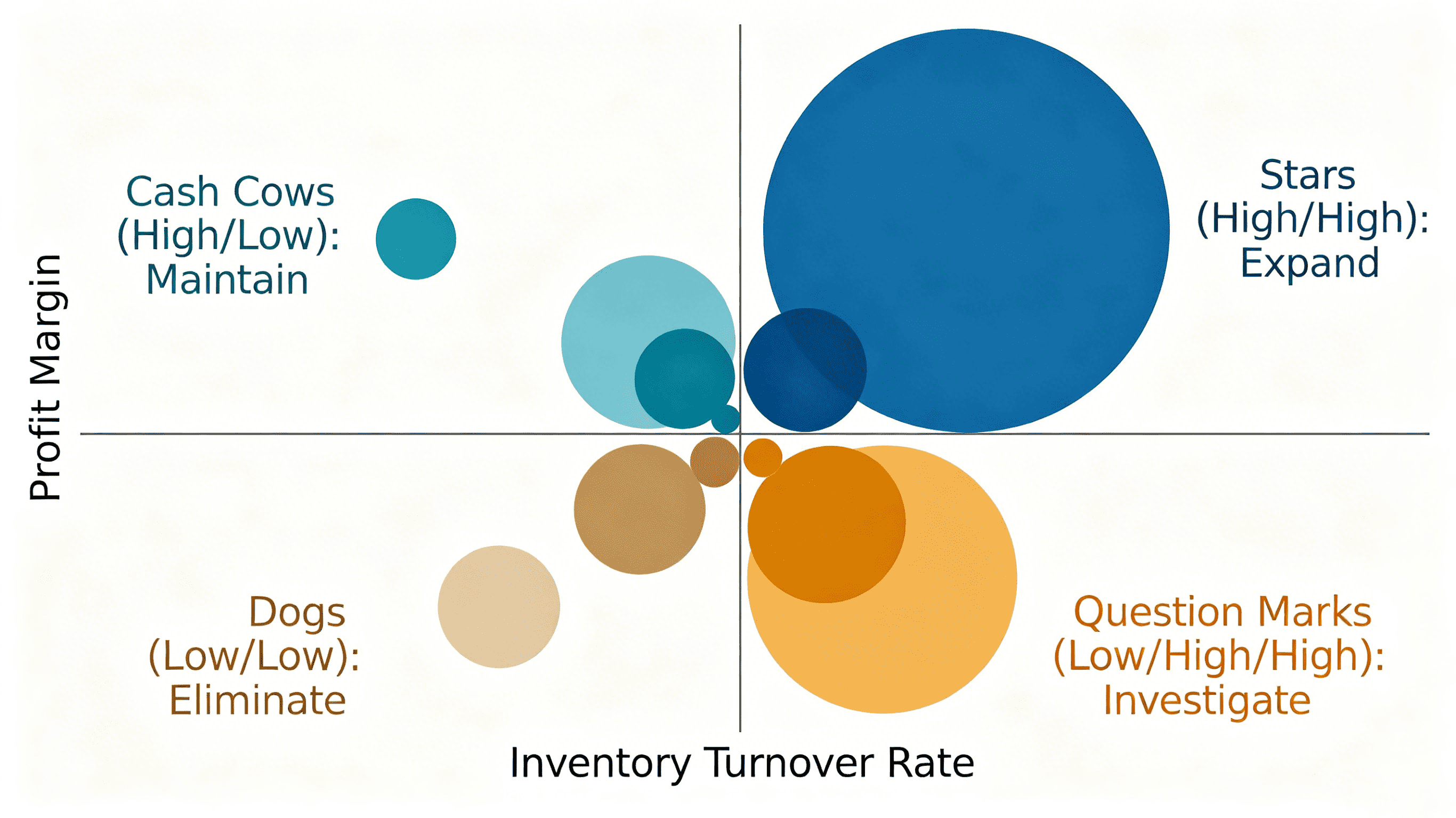
Insights are worthless without action. The final step embeds intelligence into workflows:
- Automated Replenishment Triggers: The system automatically generates POs when stock for a high-velocity SKU dips below a dynamic safety stock level.
- Portfolio Optimization Dashboards: Visual tools that show the recommended mix of categories, styles, and colors based on profitability and turnover goals.
- Risk Alerting: Flags potential overstock situations on slow-moving items early, suggesting promotional strategies or production pauses.
The OSAMIC Difference: Data Science for Bag-Specific Success
At OSAMIC, we apply this framework with a deep understanding of bag manufacturing and lifecycle. We partner with you to operationalize data science.
- Co-Developed Forecasting Models: We don't just take your PO; we work with your sales and inventory data to build more accurate production forecasts. Our systems analyze which of your designs have the highest longevity and which materials are trending, informing both your buys and our raw material procurement.
- Portfolio Mix Advisory: Using a blend of your sales data and our market intelligence on material innovation and functional trends (e.g., the rise of integrated tech organization), we advise on the optimal balance in your collection—how many heritage styles vs. trend-forward pieces, or the ideal ratio of daypacks to travel duffels.
- Supplier-Agnostic Insights for Smarter Buying: We provide transparency that helps you buy smarter, even beyond our partnership. Our analysis can identify if a cost increase is market-wide or supplier-specific, or if a certain component has a high defect risk across the industry.
Case in Point: From Reactive to Proactive
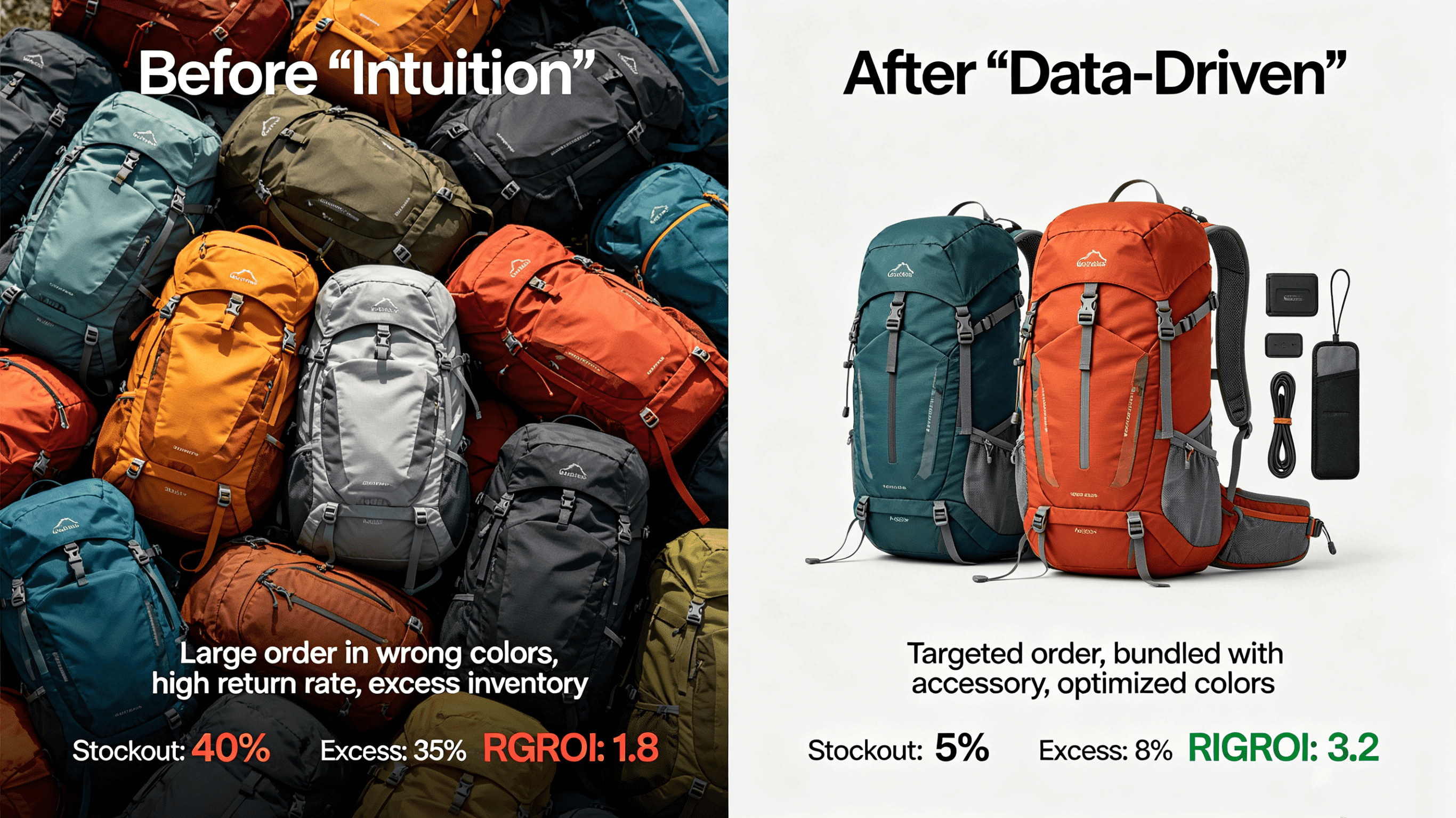
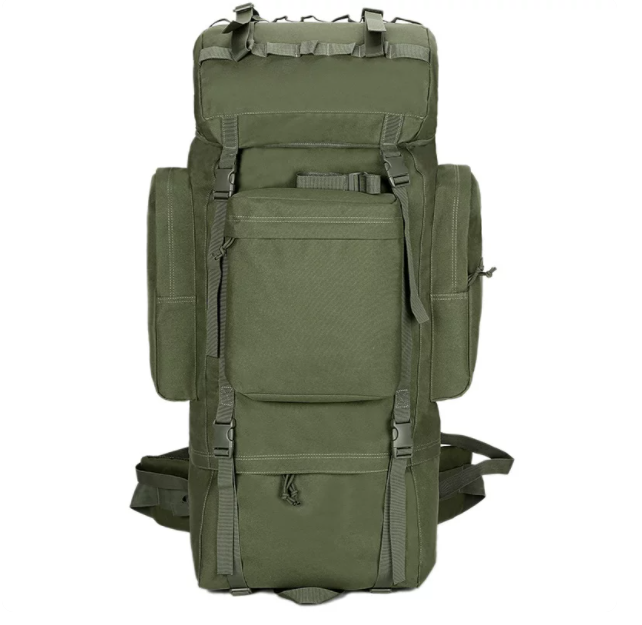
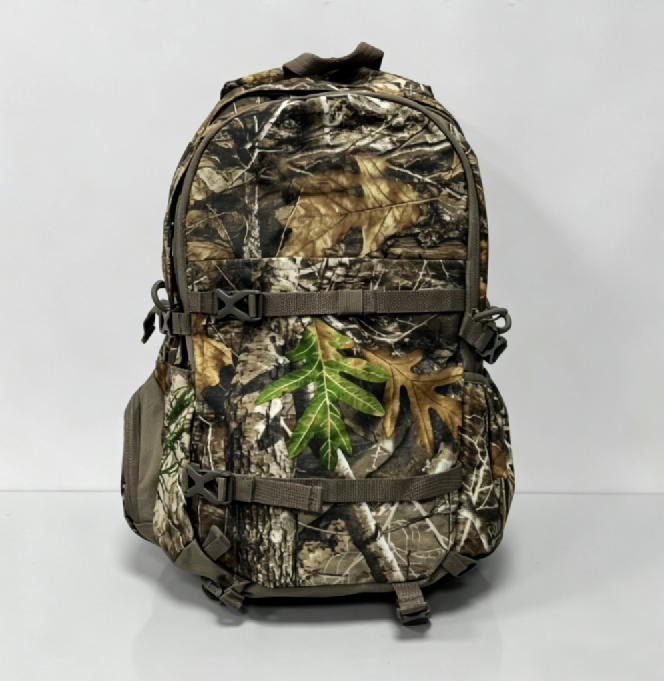
Consider a brand that launched a hiking backpack. Traditional intuition might have led to a large order in one color. Our data-driven co-analysis might reveal:
- Social sentiment favors earthy tones over bright ones for the upcoming season.
- A key component (a specific buckle) has rising failure rates industry-wide, suggesting a design tweak or supplier change.
- Sales of matching water bottle pockets are exceeding expectations, indicating a bundling opportunity.
The result: A smaller, more targeted initial order in the right colors, with a modified design for higher reliability, and a planned bundle to increase AOV—all decisions de-risked by data.
Your Next Step: Request a Portfolio Diagnostic
You don't need to build a data science team overnight. The first step is an honest assessment of where your intuition might be failing you.Ask yourself:
- What percentage of my inventory has had zero sales in the last 90 days?
- How accurate were my bestseller predictions for the last season?
- Do I know the true profitability of each SKU, accounting for discounts and storage?
If the answers are uncomfortable, it's time for a new approach.Contact OSAMIC for a complimentary, data-driven Bag Portfolio Diagnostic. Share your last season's sales data, and we'll provide an initial analysis of your product mix performance and identify clear opportunities for optimization. Let's replace guesswork with strategy.