Value Engineering in Action: How OSAMIC Reduced a Best-Selling Backpack's BOM Cost by 18% Without Compromising Quality
Meta Description: Discover how OSAMIC's value engineering process helped a DTC brand reduce backpack manufacturing costs by 18% through smart material substitution, structural simplification, and compliance-driven sourcing, all while enhancing ESG credentials.
The Challenge: Optimizing a Star Product Without Alienating Its Fanbase
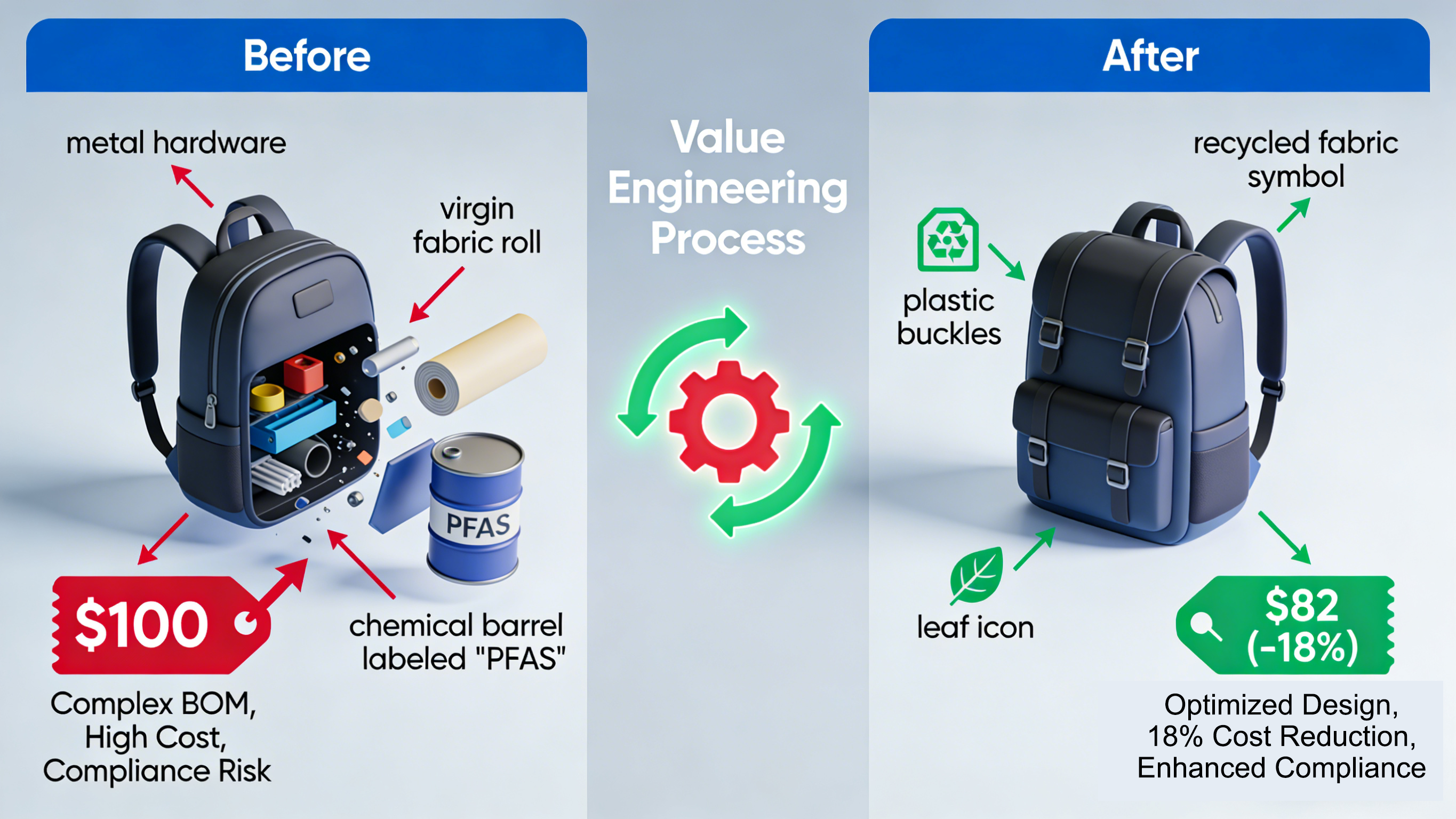
When a leading DTC outdoor brand approached OSAMIC, their brief was clear but challenging: "Our best-selling 28L commuter backpack is a market leader. We need to improve its margin to compete in a tightening market, but we cannot change its look, feel, or core functionality. Any change must be invisible to the end-user."
The goal was an 18% reduction in the Bill of Materials (BOM) cost, a figure often associated with cheapening a product. Our mission was to prove that through systematic Value Engineering (VE), we could achieve this target while simultaneously enhancing compliance with stringent EU and US regulations (REACH, CPSIA, PPWR).
The OSAMIC Value Engineering Framework: A Four-Pillar Approach
We deployed a cross-functional team of product engineers, material scientists, and compliance specialists to dissect the product. Our framework focuses on four levers of optimization.
1. Material Substitution: Compliance as a Cost-Saving Driver
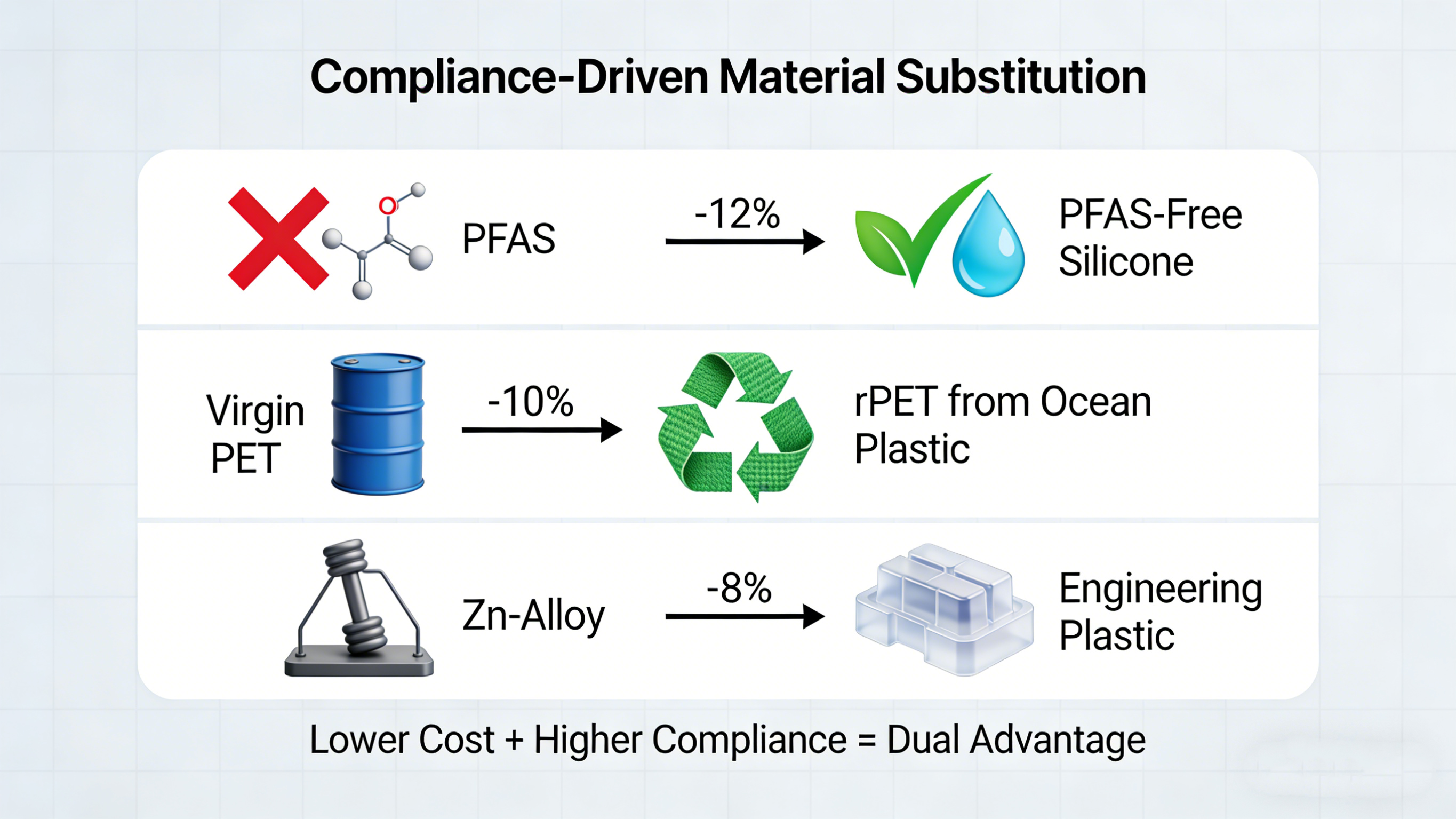
Instead of seeking the cheapest materials, we sought smarter, more sustainable alternatives that offered dual benefits: lower cost and higher regulatory safety.
Component | Original Spec | VE Optimized Spec | Cost Impact | Compliance & Market Advantage |
|---|
Waterproof Coating | C8/C6 PFC-based DWR | PFAS-Free Silicone/Wax-based or Dense Weave Structure | -12% | Pre-empts EU PFAS ban (2026), avoids future recall costs, eco-marketing appeal. |
Main Fabric | Virgin Polyester (PET) | Post-Consumer Recycled (rPET) from Ocean-Bound Plastic | -10% | Meets EU PPWR recycled content targets; rPET is often cheaper than virgin PET and carries an ESG premium. |
Hardware | Zinc-Alloy Buckles, Plated Zippers | Engineering Plastic (PA66+GF) Buckles + YKK Non-Plated Zippers | -8% | Eliminates CPSIA lead/cadmium testing requirements; reduces weight and corrosion risk. |
Key Insight: The switch to rPET was not just a cost play. It allowed the brand to market the bag as "Made from Recycled Materials," a key differentiator for Gen Z and Millennial consumers in Europe.
2. Structural Simplification: The "Function-Cost" Mapping
Using a technique borrowed from automotive and electronics manufacturing, we mapped every component to its essential function. We identified and eliminated redundancy without altering the user experience.
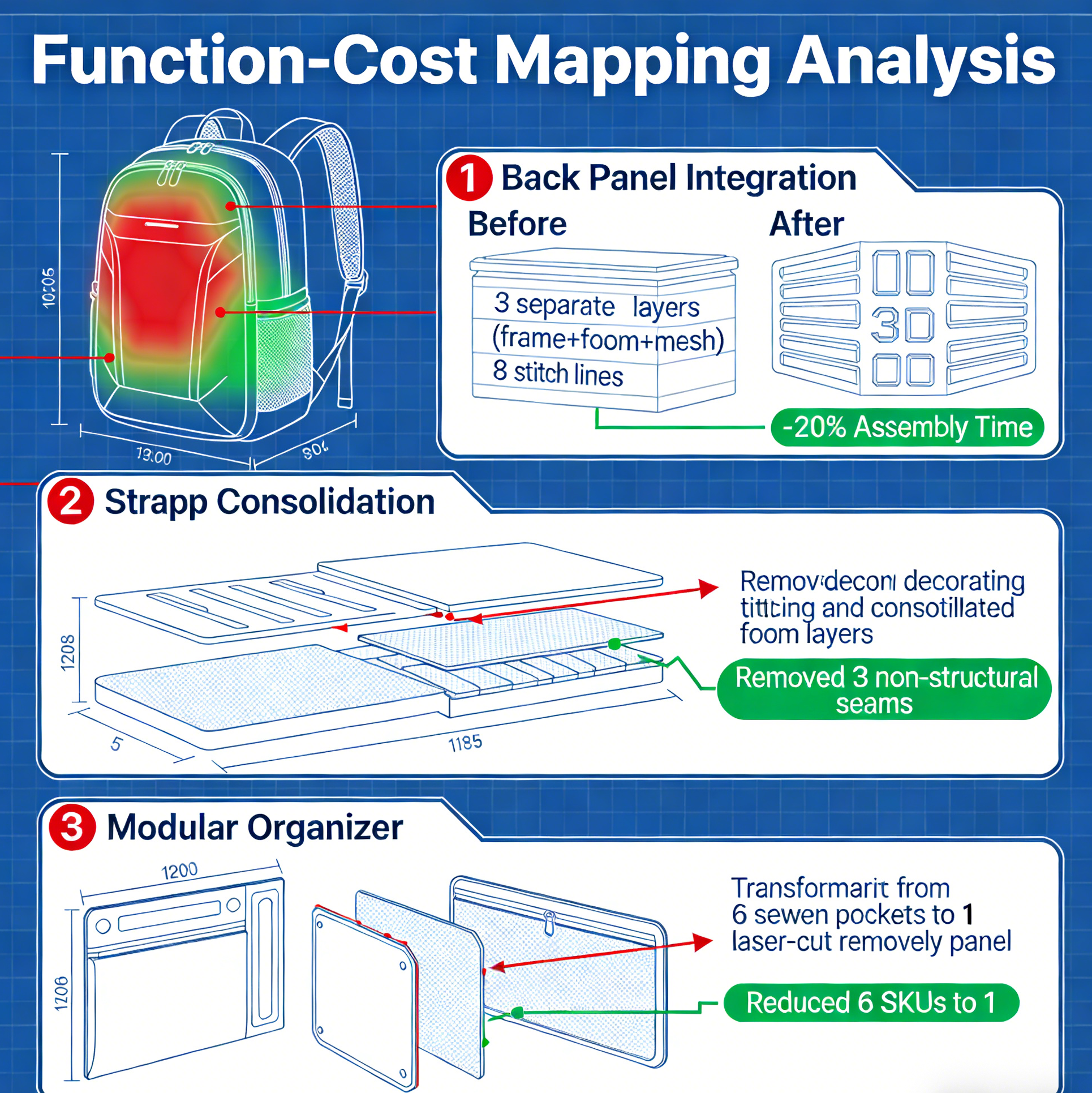
Back Panel Integration: The original design used a rigid frame sheet, a separate foam pad, and a mesh cover (3 parts, 8 seams). We replaced this with a single-piece, molded 3D EVA back panel with integrated ventilation channels. This reduced assembly time by 20% and eliminated three component SKUs.
Strap Consolidation: We removed non-structural decorative stitching and consolidated foam layers in the shoulder straps. The core padding and ergonomic shape were preserved, but the number of cutting patterns and sewing operations was reduced.
Modular Pocket Design: Instead of sewing six separate internal organizers, we designed a single, removable organizer panel with laser-cut pockets. This simplified manufacturing and allowed the brand to offer replacement organizers as an accessory.
3. Supply Chain & Manufacturing Synergy
Cost isn't just about the price per meter of fabric; it's about efficiency.
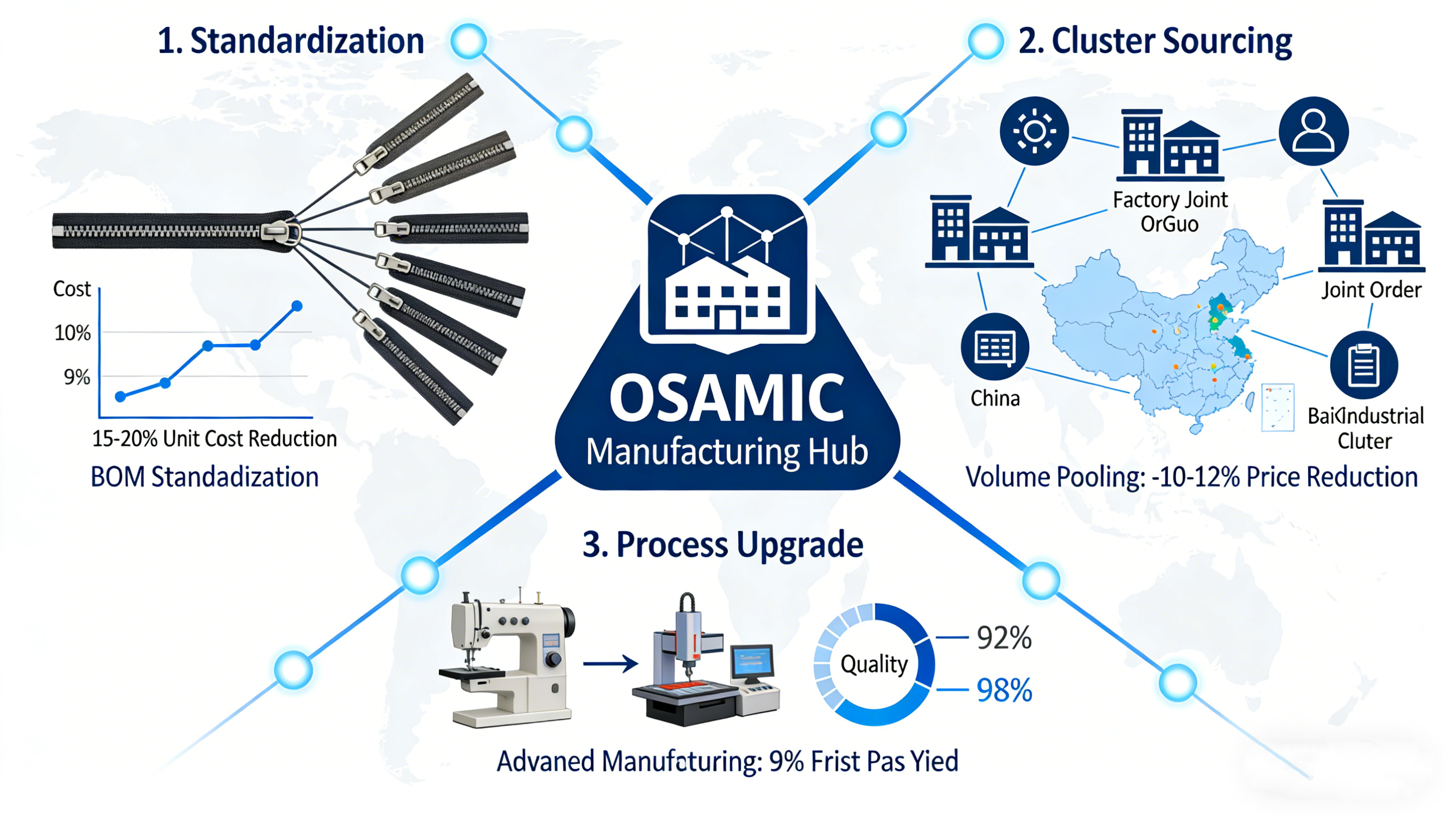
BOM Standardization: We audited the brand's entire product line and created a "Universal Components Library" (e.g., standardizing on YKK #5 reverse coil zippers across 80% of SKUs). This increased purchasing volume for specific items, driving down unit costs by 15-20%.
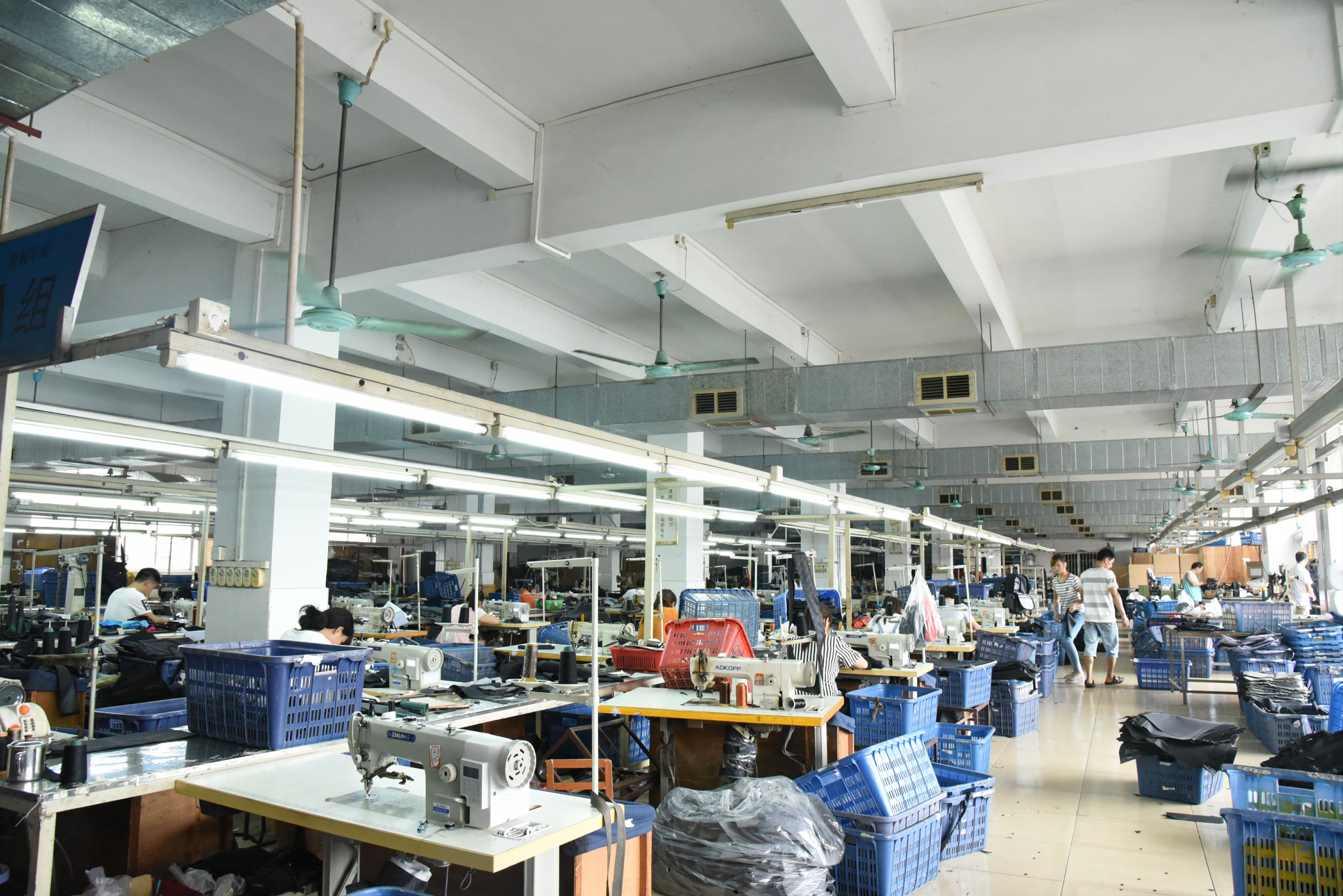
Cluster Sourcing: Leveraging OSAMIC's volume in the BaiGuo industrial cluster, we pooled orders for rPET fabric and engineering plastic parts with other brands, achieving a further 10-12% price reduction.
Laser Welding vs. Sewing: For non-load-bearing seams, we introduced ultrasonic welding and laser cutting. This reduced material waste from traditional cutting dies and improved seam consistency, boosting the First Pass Yield to over 98%.
4. Compliance by Design: Risk Mitigation as ROI
Every cost-saving measure was vetted against current and upcoming regulations. This proactive approach turned compliance from a cost center into a profit protector.
Regulation | Traditional Risk | VE Solution & Benefit |
|---|
EU PFAS Ban | Potential product recall and reformulation costs in 2026. | PFAS-free coating. Future-proofs the product and avoids costly last-minute changes. |
CPSIA (Children's Products) | Metal hardware requires expensive 3rd-party heavy metal testing. | Engineering plastic hardware. Inherently lead/cadmium-free, eliminating testing costs and delays. |
EU PPWR | Fines for non-compliance with recycled content targets. | rPET fabric. Exceeds minimum recycled content requirements, turning a cost-saving into a compliance win. |
The Result: An 18% BOM Reduction Breakdown
Optimization Lever | Contribution to 18% Reduction | Implementation Complexity |
|---|
Material Substitution (rPET, PFAS-free) | 10% | Low (Direct swap with approved suppliers) |
Structural Simplification (Parts consolidation) | 5% | Medium (Requires new tooling/molds) |
Hardware & Sourcing (Plastic, Cluster buy) | 3% | Low |
Total Achieved | 18% |
|
The final product passed all functional tests (abrasion, zipper cycle, load-bearing) and, in blind A/B tests with the brand's community, users could not distinguish the new version from the old—except that the new version felt slightly lighter due to the plastic hardware.
Conclusion: Value Engineering is Not Cost-Cutting
At OSAMIC, we believe that true manufacturing partnership is about maximizing value. An 18% BOM reduction achieved through intelligent design and sustainable material science doesn't cheapen a product; it makes it more resilient, more compliant, and more profitable.