If 2025 was the awakening year of "emotional consumption," 2026 is where this market enters the deep end. Industry forecasts point to a year of "redirection"—consumers are tired of endless anxiety and now turn to purchases that offer stability, healing, comfort, humor, and protection.
The handbag, once a pure status symbol, has transformed into the modern individual's "emotional first-aid kit" and "spiritual armor." So, what kind of bag will truly connect with the 2026 consumer? How can we design a bag that makes the tired young commuter feel an instant sense of calm the moment they touch it?
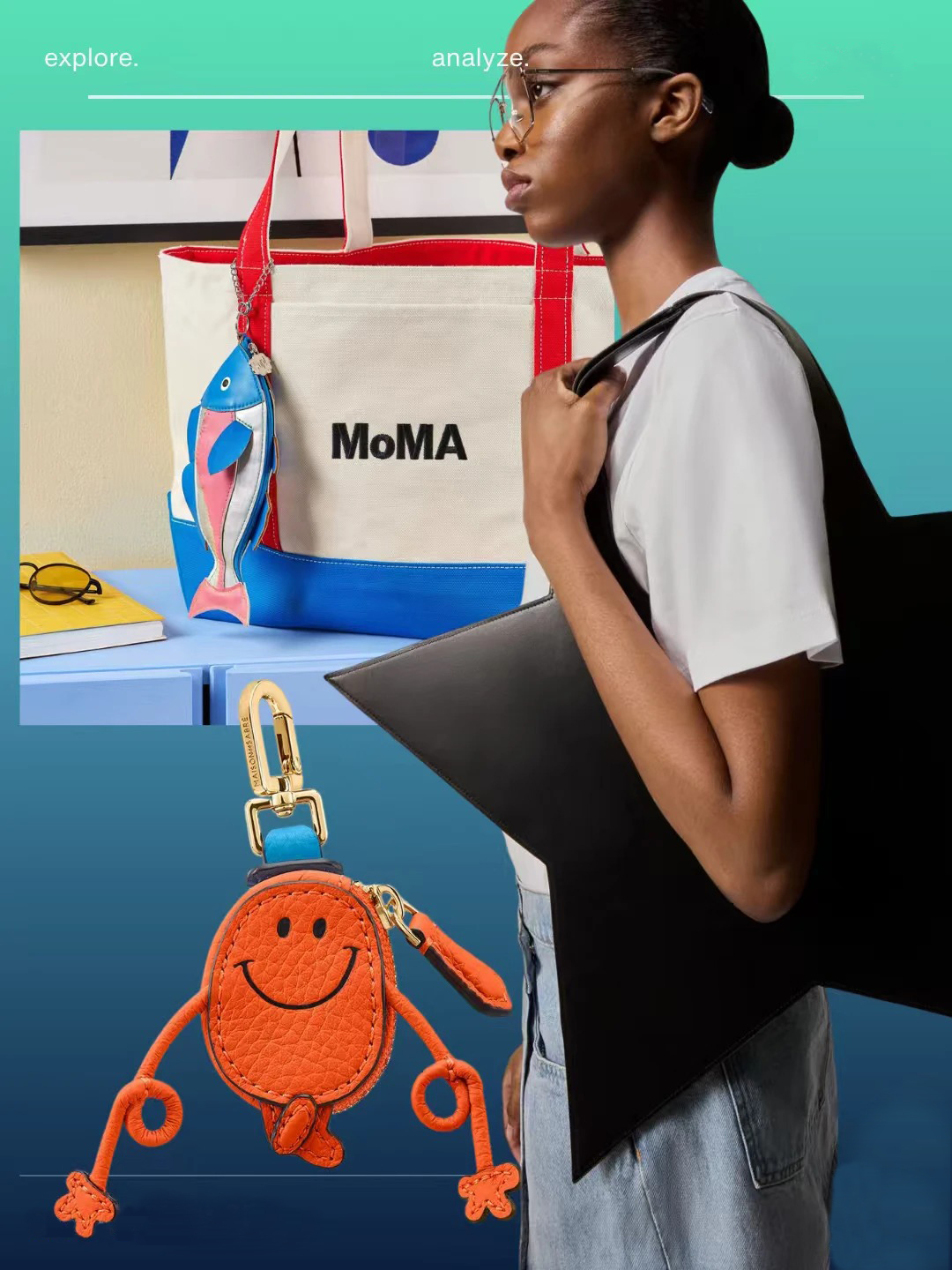
The Psychology Behind the Bag: The "Transitional Object"
Why is the handbag uniquely positioned to carry such emotional weight? The answer lies in psychology. The concept of the "transitional object," introduced by D.W. Winnicott, describes an item that bridges our inner world and external reality.
Today’s consumers face constant "emotional pressure." When the outside world fails to provide comfort, people instinctively seek "emotional repair" through consumption. A handbag—through its close physical contact (carried, held, hugged) and its public role as a "shield" or "companion"—becomes the perfect vessel for this experience.
A bag with healing qualities acts like a portable "comfort object." This companionship is both functional and emotional. Studies show that consumers experiencing stress or life changes often buy bags with warm textures, soft shapes, or meaningful designs to fill an emotional need. This shift from "utility" to "emotional resonance" is the new design imperative.
Color & Visuals: From Dopamine Dressing to Psychological Comfort
Color is the first design element that speaks directly to our emotions.
The Dopamine Palette: The "dopamine dressing" trend—bright, saturated colors like lemon yellow, aqua blue, and hot pink—stimulates the senses and triggers feelings of joy. Historically, bright colors were seen as frivolous, but today they represent a break from rigid elegance and a pursuit of pure happiness.
For brands, color is a direct path to positive emotion. Using ready-made "dopamine" colors or designing bold, clashing accessories can instantly lift the consumer's mood.
Personification & "Aliveness": Designing a Bag with Soul
If color makes the first impression, "personality" builds lasting connection. A bag that’s just a bag has limited appeal. But a bag with character, expression, or "life" becomes a personal ally.
Brands like Fugglers succeed by tapping into the "ugly-cute" aesthetic. Perfect luxury can feel distant, while bags or charms with quirky smiles or relatable expressions feel more human. Consumers see themselves in these designs—the version that keeps going despite pressure. This turns a product into a companion, shifting the experience from "purchase" to "adoption."
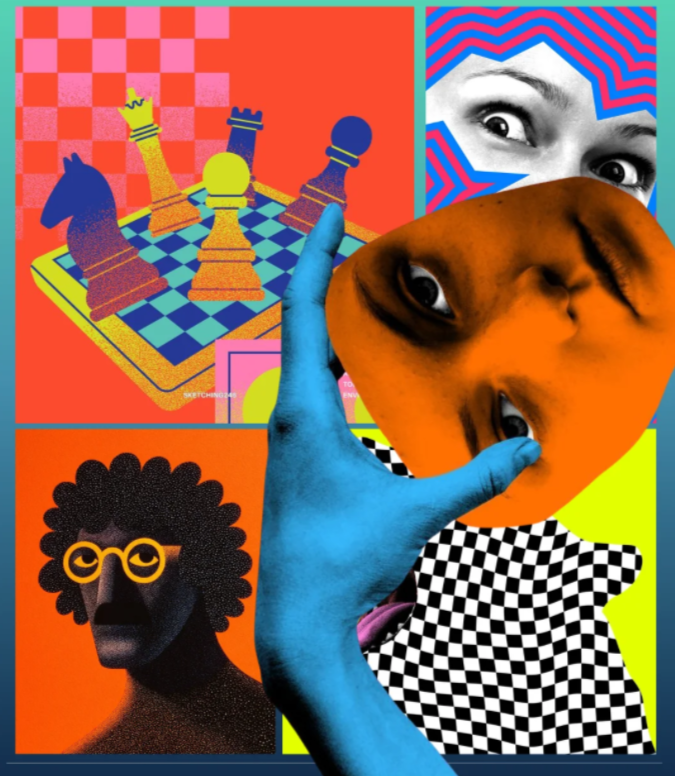
A Design Guide for Healing Handbags
Here is a practical framework for creating "emotional bags." Design is no longer about shapes—it’s about filling emotional gaps.
1. Tactile "Deep Comfort"
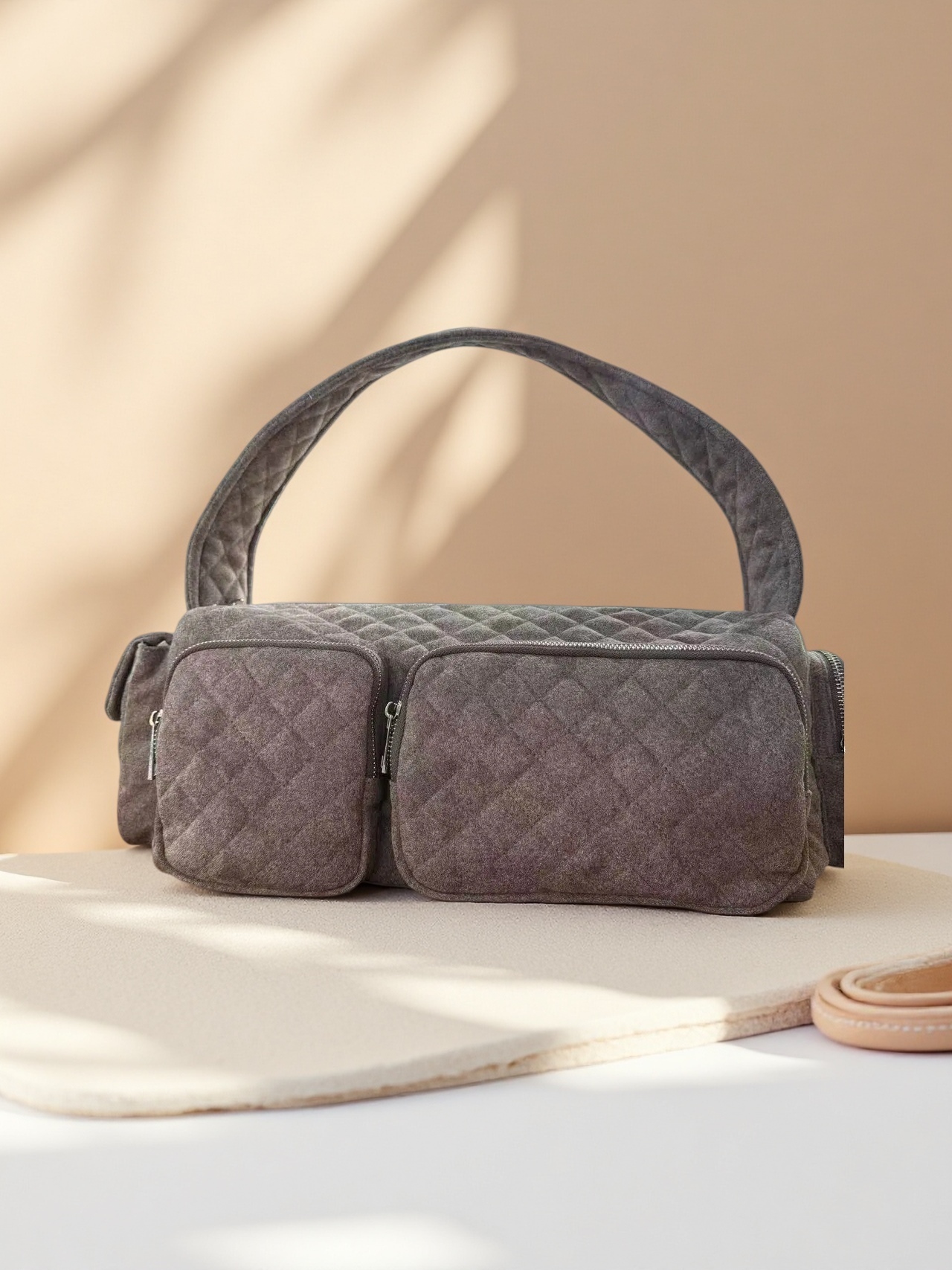
Focus on materials that soothe: soft pebbled leather, fuzzy textures, calming weighted fabrics, or ergonomic shapes. The sense of touch is a direct path to comfort.
2. Storytelling That Connects
Every design should hint at a narrative. Is it inspired by a peaceful forest? Does its shape suggest protection or a hug? Use design to tell micro-stories of safety, adventure, or calm.
3. Create Ritual in the Experience
Design thoughtful interactions—a satisfying magnetic closure, a special pocket for a treasured item, or unboxing that feels like a gift. Turn daily use into a small ritual of self-care.
4. Embrace "Relaxed Ease" and "Imperfection"
Move away from stiff perfection. Introduce soft, slouchy shapes, pleasing irregularities, or designs that look better with wear. This "lived-in" feeling reduces pressure and feels authentic.
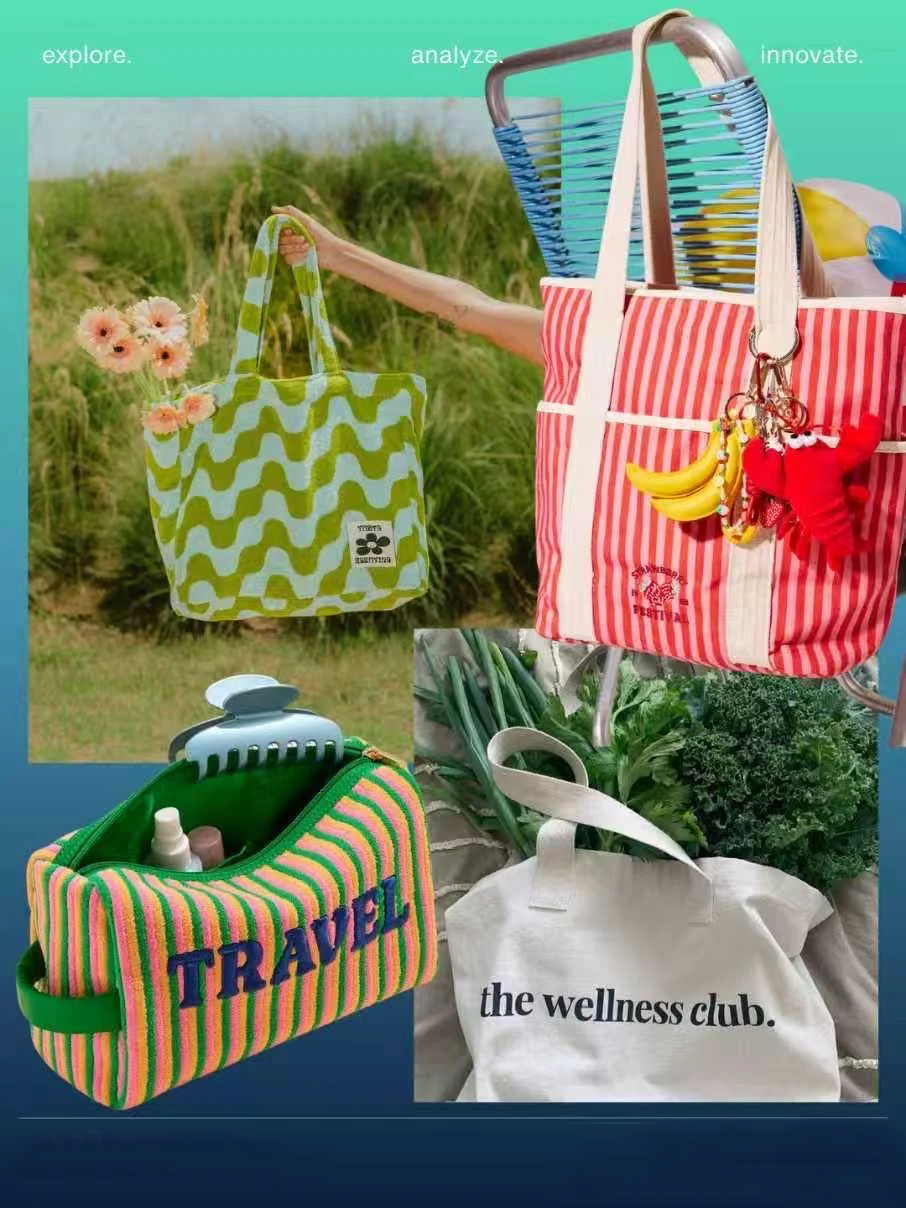
Conclusion: From Object to Emotional Anchor
By 2026, the handbag market will complete its shift from "object" to "emotional anchor." Consumers aren’t looking for a luxury label—they’re looking for an understanding companion.
For designers and retailers, the future is about empathy. Understanding the fears and desires of today's consumers is the ultimate competitive advantage.
Is your brand ready to design for emotion in 2026?
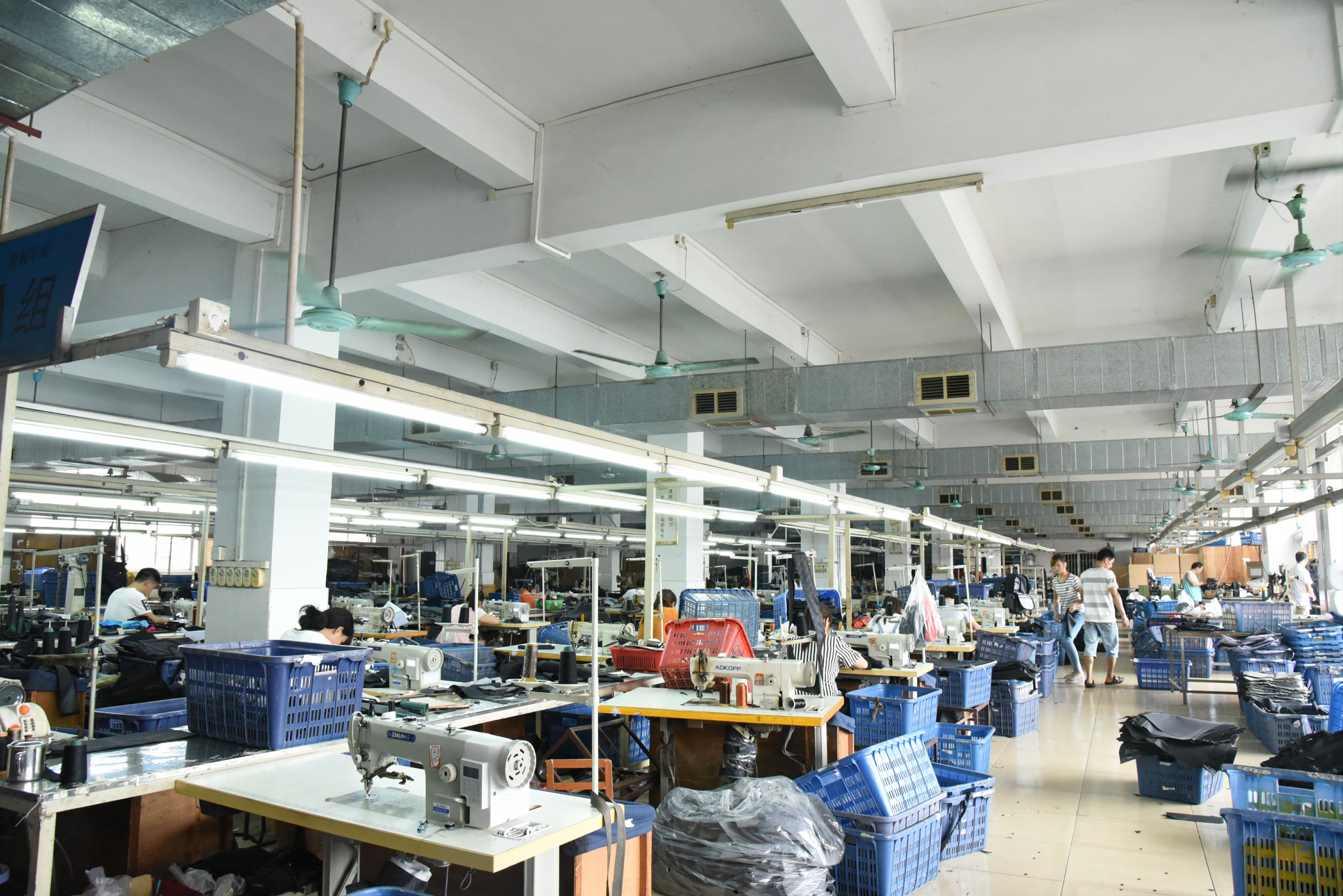
At OSAMIC, we partner with designers and retailers to turn emotional insights into market-ready products. Our custom manufacturing service brings empathetic, healing-focused designs to life—helping you connect with consumers who seek more than just an accessory.
Contact OSAMIC today to start a conversation about your next collection.