The Anthropology of the American Man’s Backpack: A Panoramic Report on Men Aged 30-40
The Anthropology of the American Man’s Backpack: A Panoramic Report on Men Aged 30-40
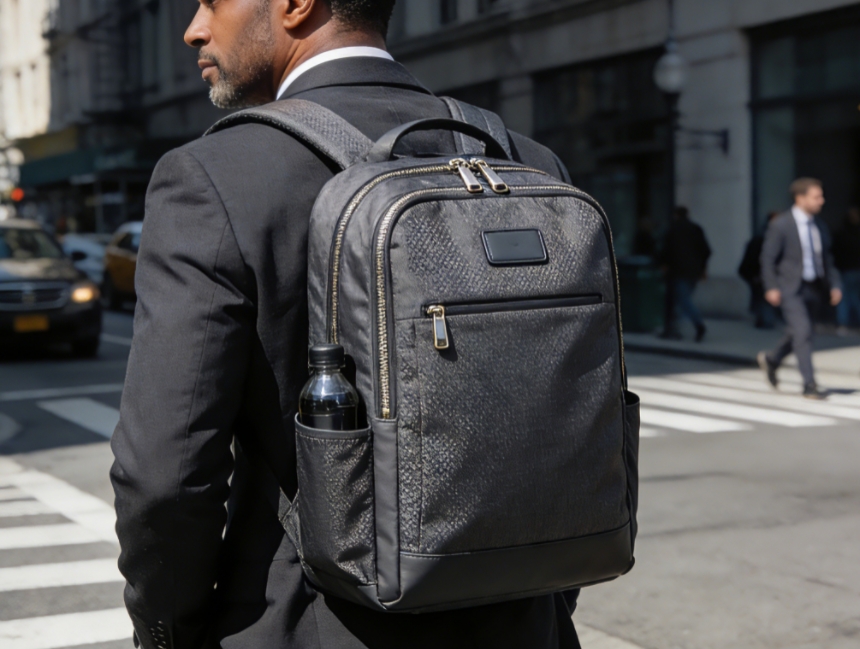
For the American male navigating his thirties, the choice of an everyday carry bag is far more than a decision about a container. It is a nuanced moment of identity, career stage, and lifestyle declaration. Caught between the Millennials and Gen Z, with careers in ascent or solidification, this generation seeks to shed the collegiate informality of a JanSport or Herschel while resisting the staid conformity of a traditional black briefcase.
In the 2024-2025 landscape of hybrid work, daily gym sessions, and the art of "one-bag travel," the backpack has decisively dethroned the briefcase. Yet, a challenge remains: navigating the fine line between looking like a schoolkid on a field trip and appearing as a dull IT technician.
Today, we adopt an anthropological lens to dissect the three core styles dominating the American 30-something male carry market: Tech-Minimalism, Classic Heritage Durability, and Corporate Gorpcore. We'll uncover the data and the human stories behind these choices, from San Francisco's tech hubs to New York's skyscrapers, revealing the metaphors woven into their very fabric.
Let's explore.
I. The Tech-Minimalist
Walk into any boutique café in San Francisco, Seattle, or Austin, and you'll spot a striking consistency: black, matte, boxy, logo-less silhouettes. This is the Tech-Minimalist uniform. Its adherents—often in tech, creative direction, or efficiency-obsessed urban commuting—view their backpack as an extension of a mobile office. It must mirror their MacBook Pro: precise, logically engineered, and premium.
For this group, a bag must not just carry, but manage. Tangled cables or fumbling for AirPods at the bottom are unacceptable indignities. It’s about curated control. Consequently, brands like Aer, Bellroy, and Peak Design reign supreme here, mastering the art of intelligent, discreet organization.

II. The Classic Heritage & "Buy It For Life"
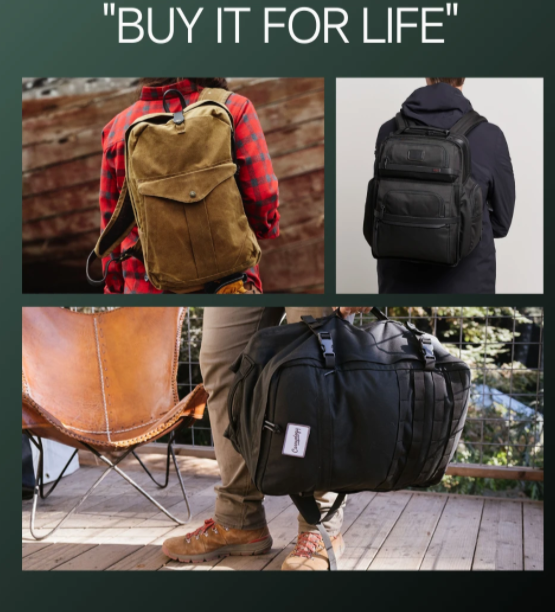
In direct contrast to the minimalist tech crowd stands a group of thirty-something men who fervently believe "old is better than new." They might work in architecture, engineering, or law, or simply be devout fans of Yellowstone. Their core philosophy is "Buy It For Life" (BIFL).
This ethos rejects plastic hardware in favor of materials that age with character: brass, full-grain leather, and waxed canvas. A scratch isn't a flaw; it's a badge of honor, a narrative. Their bags are lifelong companions, built for decades, not seasons. Icons like Filson (the Journeyman pack), GoRuck, and heritage lines from Tumi form the holy trinity of this durable, story-rich style.
III. Corporate Gorpcore
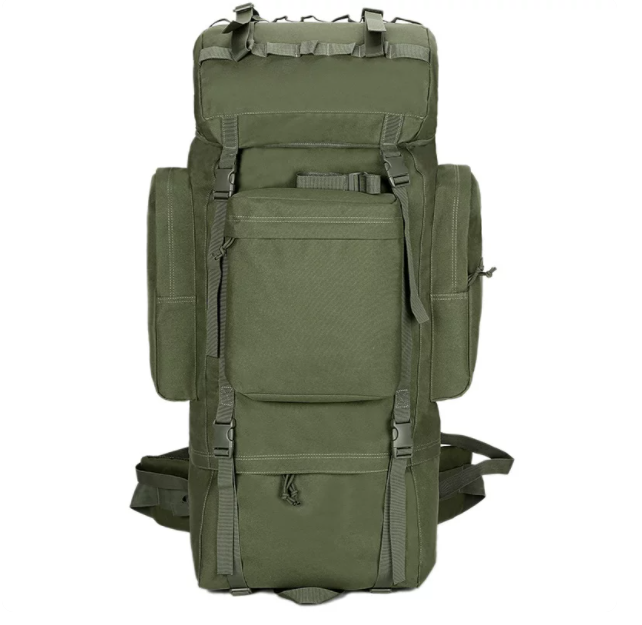
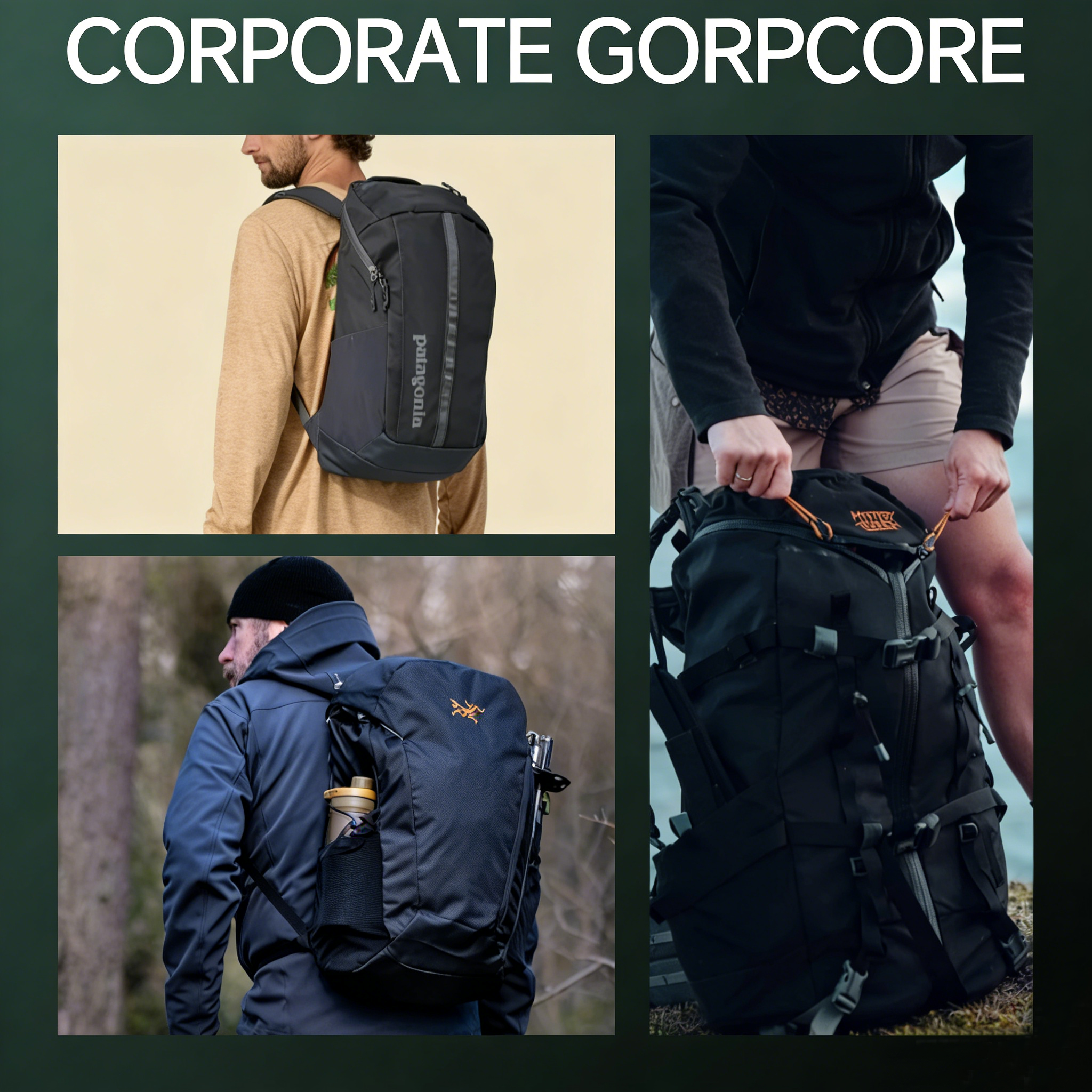
"Gorpcore"—the fashion trend of wearing technical outdoor gear as streetwear—has fully infiltrated the office. For the 30-year-old man in Seattle, Denver, Portland, or even New York and Boston, showing up to work in a Patagonia vest with an Arc'teryx backpack is the new business casual standard.
This style broadcasts a coveted lifestyle equilibrium: "I work hard, but my weekends are for skiing/hiking/camping."It’s a performance-ready aesthetic that signals capability and an active life beyond the cubicle. Alongside Arc'teryx, brands like Patagonia (their Black Hole or Refugio packs) and Mystery Ranch are the leading champions of this boardroom-to-trailhead look.
IV. The Micro-World Within: Function & Organization
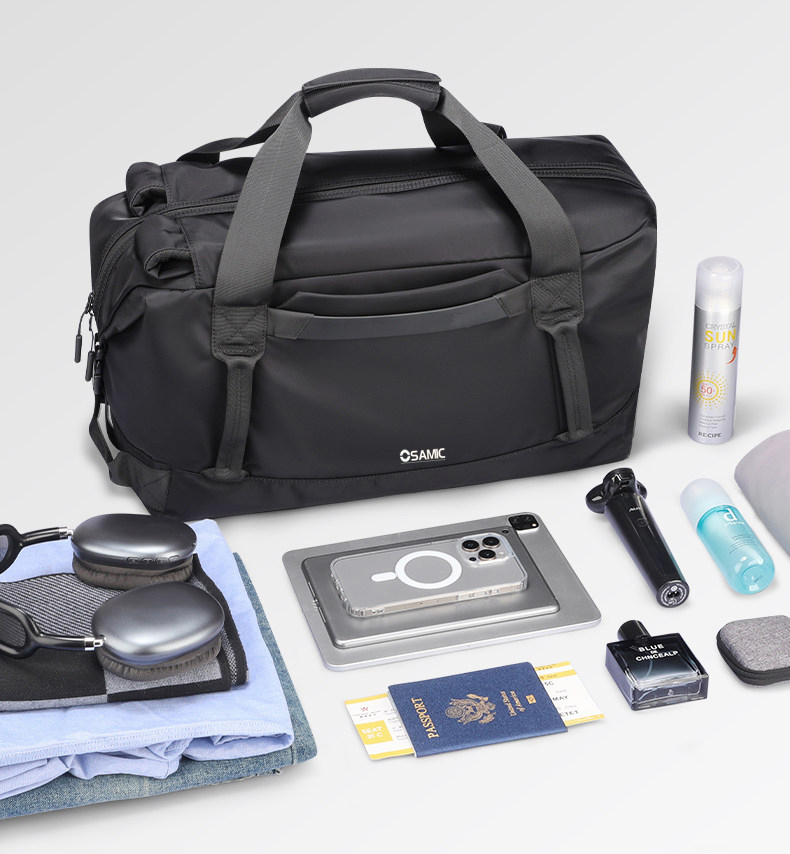
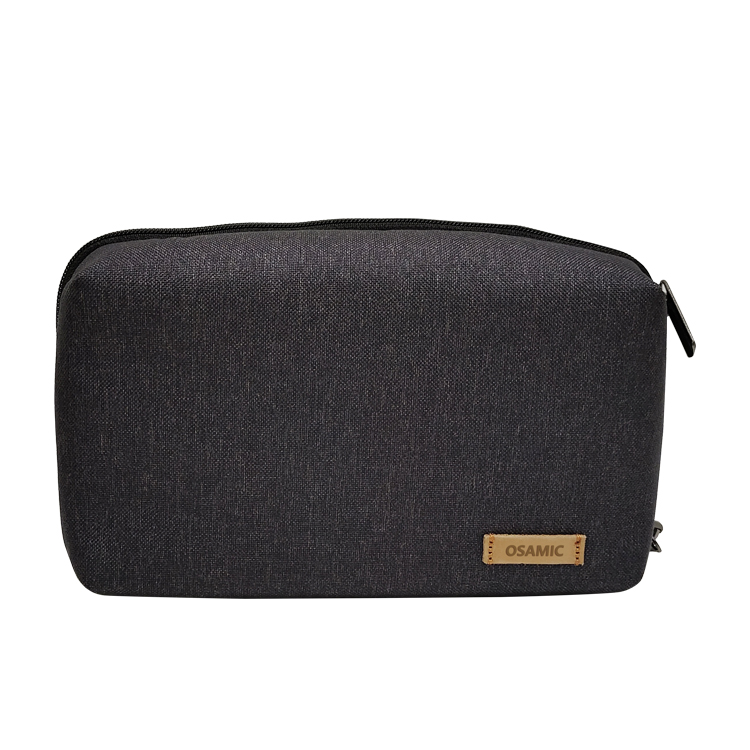
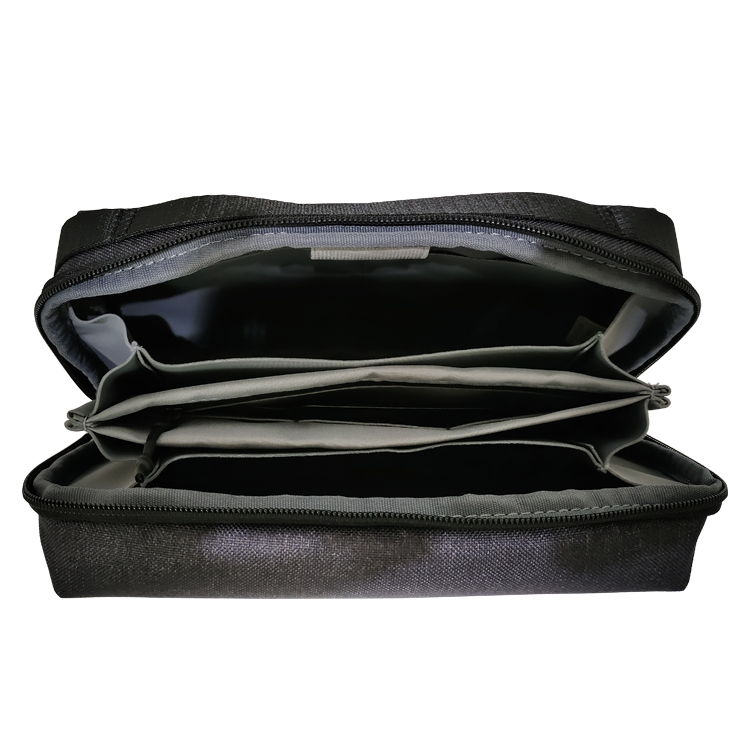
This generation is obsessed not just with a bag’s exterior, but with its internal universe. Our research points to a standardized kit: an Anker GaN charger (maximum power, minimal size), braided USB-C cables, a portable SSD, disinfectant wipes, and even a compact multi-tool. This modular "pack-within-a-pack" system allows for effortless bag swaps.
A critical pain point? The Gym Shoe Dilemma. With corporate wellness perks or early-morning workout routines, "where to put the shoes" is a primary bag-selection criterion. Packs like the Aer Fit Pack or duffel-backpack hybrids thrive because of dedicated, ventilated shoe compartments. For others, a separate shoe pouch is non-negotiable. The ability to seamlessly transition "from the board meeting to the squat rack" is a key metric of a bag's excellence.
Conclusion: The Backpack as a Personal Anchor
Across all three styles, one unifying truth emerges: this generation has moved beyond flashy logos. They invest instead in the story of the materials, the tactile pull of a zipper, and the logical intent behind every pocket.
In an uncertain world, the backpack has become a deeply personal anchor. It is a curated, organized repository of daily essentials—a tangible source of security and preparedness carried squarely on the shoulders. For the 30-year-old American man, his chosen bag is less about what he carries, and more about who he is, and who he aspires to be.
For Retailers & Designers: Understanding these anthropological segments—the Tech-Minimalist's crave for sleek utility, the Heritage Devotee's pursuit of legacy craftsmanship, and the Corporate Gorpcore user's need for versatile performance—is key to connecting with this discerning market. At OSAMIC, we translate these insights into exceptional, customized bag solutions that meet the precise functional and identity-driven needs of your customers.